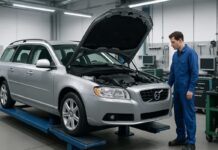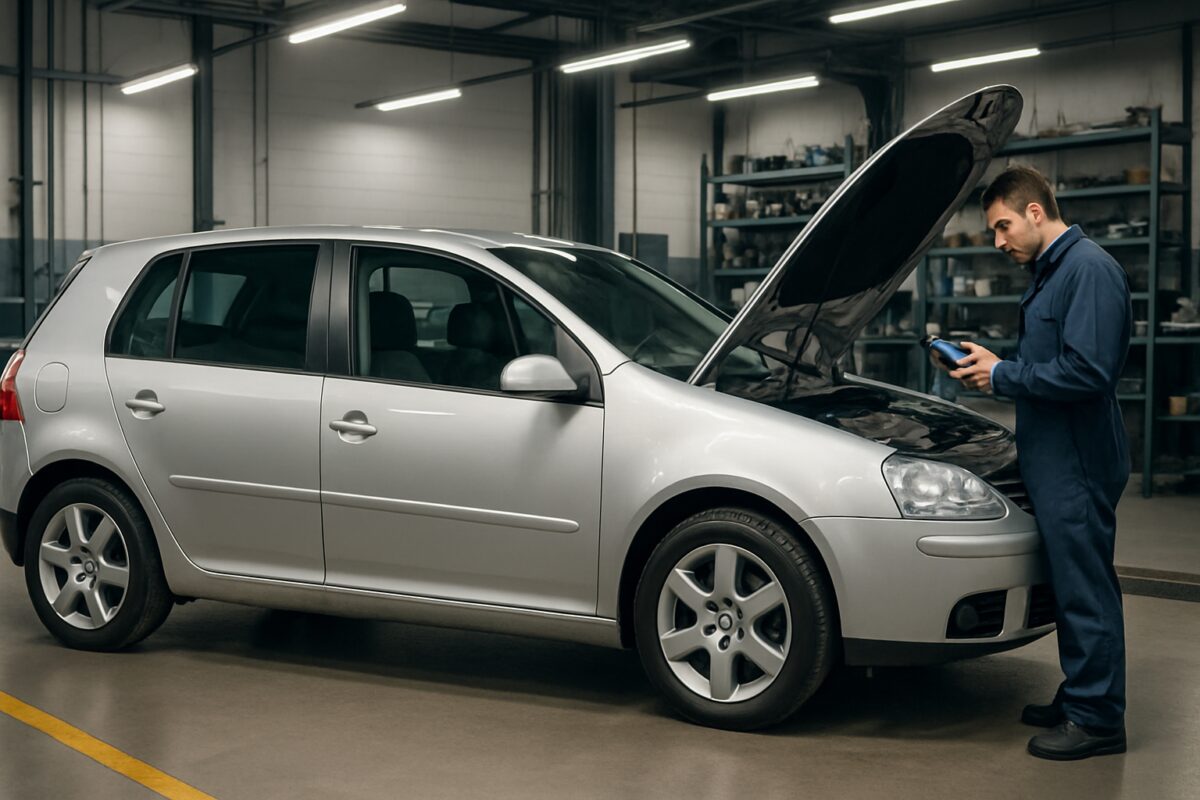
The Volkswagen Golf Mark 5, produced from 2003 to 2009, remains a popular choice amongst UK motorists. However, this generation faces several recurring issues that owners should understand. Our specialists at AutoPartsPro have compiled this comprehensive guide to help identify, prevent, and resolve common VW Golf 5 problems.
DSG transmission problems
The dual-clutch Direct Shift Gearbox represents one of the most significant concerns for Golf 5 owners. This transmission system, whilst innovative, suffers from premature clutch wear and jerky shifting behaviour.
Early signs include harsh gear changes, particularly from first to second gear, and delayed engagement when pulling away from traffic lights. The mechatronic unit, which controls hydraulic pressure within the transmission, frequently fails around 80,000 miles.
Temperature-related issues plague the DSG system during heavy traffic or spirited driving. The transmission fluid overheats, causing protection mode activation and reduced performance. Regular fluid changes every 40,000 miles help prevent costly repairs.
Replacement costs vary dramatically depending on severity. Minor repairs start around £800, whilst complete transmission replacement exceeds £4,000. Transmission maintenance remains crucial for longevity.
Timing chain tensioner failure
The 1.4 TSI and 2.0 TSI engines suffer from premature timing chain tensioner wear, creating potentially catastrophic engine damage. This component maintains proper chain tension, preventing valve timing disruption.
Initial symptoms include rattling noises during cold starts, particularly noticeable for the first few seconds after ignition. The sound emanates from the engine’s front section and gradually subsides as oil pressure builds.
Progressive wear creates slack in the timing chain, allowing it to jump teeth on the sprockets. When this occurs, pistons can contact valves, resulting in bent valves, damaged pistons, and cylinder head replacement requirements.
Prevention involves regular oil changes using correct viscosity grades and monitoring engine noises. Early intervention costs approximately £600-900, whilst engine rebuild expenses exceed £3,000. Many owners opt for timing chain tensioner replacement as preventative maintenance.
Carbon build-up in direct injection engines
Direct injection engines, particularly the 1.4 TSI and 2.0 TSI variants, accumulate carbon deposits on intake valves. Unlike port injection systems, fuel doesn’t clean these valves during normal operation.
Symptoms develop gradually, starting with reduced power output and increased fuel consumption. Rough idling becomes more apparent, especially when cold, and acceleration feels sluggish compared to previous performance.
Advanced cases trigger engine management warnings and cause misfiring during acceleration. The vehicle may enter limp mode during demanding driving conditions, limiting power output significantly.
Professional carbon cleaning services cost £300-500 and restore engine performance effectively. Some owners attempt DIY solutions using air filter upgrades and fuel additives, though results vary considerably.
Water pump failure
The plastic impeller water pump represents a common failure point across multiple Golf 5 engines. These components typically fail between 60,000-100,000 miles, causing cooling system problems.
Early warning signs include coolant level drops without visible leaks and occasional overheating during traffic jams. The heater may blow cold air intermittently, particularly noticeable during winter months.
Complete failure results in rapid overheating, potentially causing head gasket damage or cylinder head warping. Steam from the bonnet and coolant puddles beneath the vehicle indicate immediate attention requirements.
Replacement costs range from £400-700 including labour, depending on engine accessibility. Upgraded metal impeller pumps offer improved longevity compared to original plastic versions. Regular coolant system maintenance helps identify issues early.
PCV system problems
The Positive Crankcase Ventilation system frequently fails on turbocharged Golf 5 engines, causing excessive oil consumption and performance issues. This system manages crankcase pressure and prevents harmful emissions.
Blocked PCV valves create excessive crankcase pressure, forcing oil past seals and gaskets. Owners notice increased oil consumption, often requiring top-ups between service intervals.
Blue smoke from the exhaust during acceleration indicates oil burning, whilst oily residue around the engine bay suggests seal failure. The turbocharger may also suffer damage from oil-contaminated intake air.
Complete system replacement costs £200-400 and prevents further engine damage. Regular inspection of PCV components helps identify blockages before serious problems develop.
Warning signs your car has a problem
Recognising early warning signs prevents expensive repairs and ensures driving safety. Monitor these key indicators regularly:
- Unusual noises during engine startup or operation
- Changes in gear shifting smoothness or timing
- Reduced power output or acceleration performance
- Increased fuel consumption without driving changes
- Warning lights on the dashboard display
Regular maintenance schedules help identify developing issues before they become costly problems. Our technicians recommend monthly visual inspections and immediate investigation of any unusual symptoms.
How to fix the problems
Addressing VW Golf 5 issues requires systematic diagnosis and appropriate component selection. Here’s our repair approach:
| Problem | Diagnostic Method | Repair Options | Cost Range |
|---|---|---|---|
| DSG Transmission | VCDS scan, fluid analysis | Software update, clutch pack, mechatronic | £800-4000 |
| Timing Chain | Engine noise analysis, borescope | Tensioner replacement, full chain kit | £600-3000 |
| Carbon Build-up | Intake inspection, power measurement | Walnut blasting, chemical cleaning | £300-500 |
| Water Pump | Coolant pressure test, visual inspection | Pump replacement, thermostat | £400-700 |
| PCV System | Crankcase pressure test, oil analysis | Valve replacement, hose renewal | £200-400 |
Professional Tip: Always use genuine or OEM-equivalent parts for critical components. Cheap alternatives often fail prematurely, creating false economy situations.
Quality components ensure reliable repairs and maintain vehicle safety standards. Our parts specialists recommend water pumps with metal impellers for improved durability.
When to see a mechanic
Certain symptoms require immediate professional attention to prevent safety hazards or expensive damage. Contact qualified technicians when experiencing:
- Engine overheating or coolant loss
- Transmission slip or failure to engage gears
- Unusual metallic noises from engine or transmission
- Multiple dashboard warning lights simultaneously
- Significant power loss or rough running
Early intervention saves money and prevents secondary damage to related components. Our workshop network provides comprehensive diagnostics using manufacturer-approved equipment and procedures.
Expert Advice: Document all symptoms with notes about when they occur, driving conditions, and severity. This information helps technicians diagnose problems more efficiently.
Regular servicing according to manufacturer schedules helps identify developing issues before they become serious problems. Preventative maintenance proves far more economical than emergency repairs.
Frequently asked questions (FAQ)
How reliable is the VW Golf 5 overall?
The Golf 5 offers reasonable reliability when properly maintained, though specific powertrain combinations require more attention than others.
Which Golf 5 engines should I avoid?
The 1.4 TSI with timing chain issues and early DSG automatics present the highest maintenance costs for owners.
How much does Golf 5 maintenance cost annually?
Expect £800-1500 annually including servicing, with higher costs for DSG transmissions and turbocharged engines requiring premium components.
Can I prevent DSG transmission problems?
Regular fluid changes, gentle driving during warm-up, and avoiding aggressive launches significantly extend DSG transmission lifespan and reliability.
Are Golf 5 parts expensive to replace?
Parts costs vary significantly, with genuine VW components being premium-priced, though quality aftermarket alternatives offer reasonable savings without compromising reliability.
Final recommendation
The VW Golf 5 remains a capable and enjoyable vehicle when potential issues receive proper attention. Understanding common problems helps owners make informed maintenance decisions and budget appropriately for ownership costs. Focus on preventative maintenance, particularly for timing chain tensioners and DSG transmissions, to avoid expensive failures.
Quality parts selection proves crucial for reliable repairs and long-term satisfaction. Our specialists recommend genuine or OEM-equivalent components for critical systems, with carefully selected aftermarket parts suitable for less critical applications. Regular diagnostic checks using professional equipment help identify developing problems early, when repair costs remain manageable. The Golf 5’s strong aftermarket support ensures parts availability and competitive pricing for most components.

 Loading...