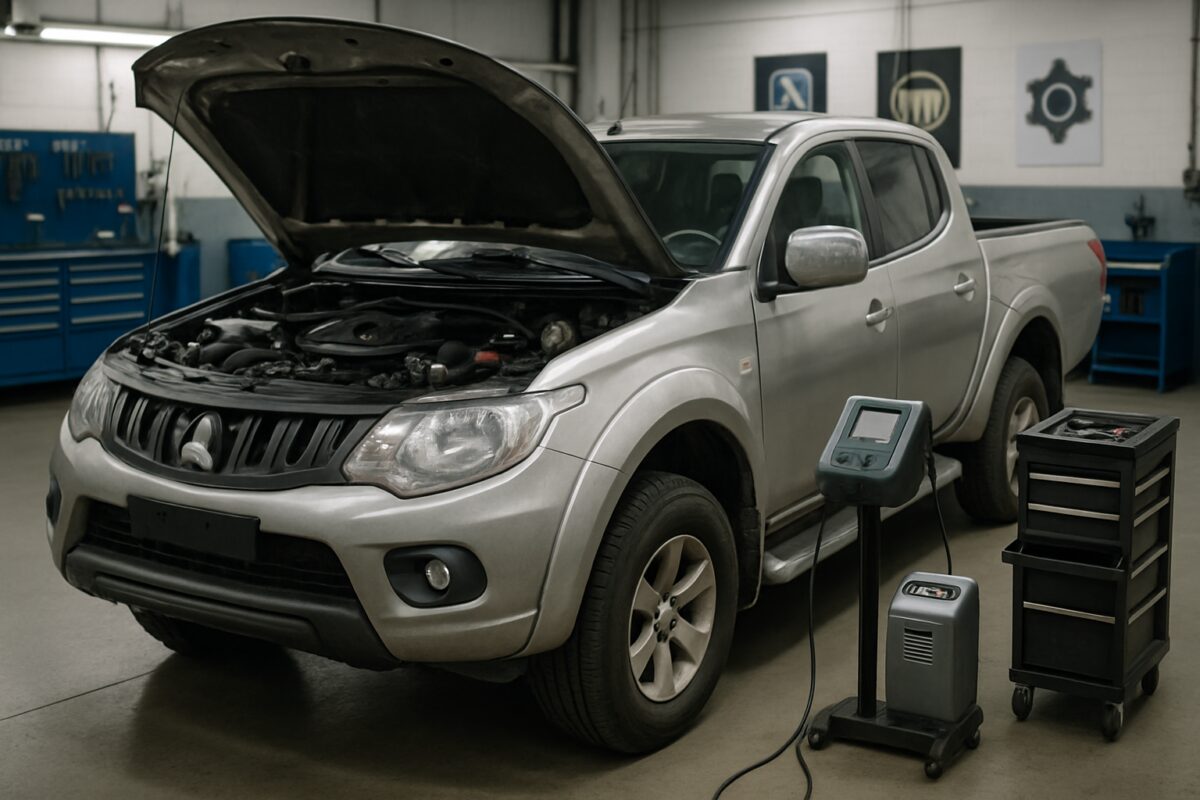
The Mitsubishi L200 has earned a solid reputation as a dependable pickup truck amongst UK drivers. However, like any vehicle, this workhorse isn’t immune to mechanical issues. Understanding common L200 problems helps owners identify potential faults early and avoid costly repairs. Our automotive specialists at AutoPartsPro have compiled this comprehensive guide to help you maintain your vehicle’s reliability.
Engine problems
The L200’s diesel engines are generally robust, but several issues can develop over time. The most common concern affects the 2.5-litre DI-D engine, which may experience premature injector failure. Symptoms include rough idling, poor fuel economy, and black exhaust smoke.
Another frequent problem involves the turbocharger system. Carbon build-up in the intake manifold can reduce power output significantly. The turbo actuator may also fail, causing erratic boost pressure and triggering engine management lights.
Our mechanics recommend regular fuel system cleaning every 15,000 miles to prevent injector carbon deposits from accumulating.
The timing belt requires careful attention, as failure can cause catastrophic engine damage. Replace it every 100,000 miles or five years, whichever comes first. The water pump should be changed simultaneously to avoid future complications.
Transmission issues
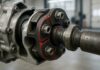
The L200’s manual gearbox generally proves reliable, but the clutch system presents some challenges. The dual-mass flywheel often fails around 80,000 miles, causing vibrations and difficulty selecting gears. This expensive repair typically requires complete clutch kit replacement.
Automatic transmission models may experience shifting problems, particularly in cold weather. The torque converter can develop internal leaks, leading to harsh gear changes and transmission overheating. Regular transmission fluid changes help prevent these issues.
Four-wheel-drive system problems also occur, with the transfer case experiencing bearing wear. Symptoms include whining noises and difficulty engaging 4WD modes. The front differential may leak oil, requiring seal replacement.
Electrical system faults
Modern L200 models rely heavily on electronic systems, which can develop various faults. The most problematic area involves the dashboard instruments, which may display incorrect readings or fail completely. This typically stems from faulty wiring connections behind the instrument cluster.
The central locking system frequently malfunctions, with door actuators failing regularly. Remote key fobs may stop working due to receiver module problems. The electric windows can also become sluggish or stop operating entirely.
Lighting issues affect many L200 owners, particularly with the rear tail lights experiencing moisture ingress. The headlamps may develop condensation problems, reducing visibility during night driving.
Check all electrical connections regularly, as corrosion can cause multiple system failures in pickup trucks exposed to harsh conditions.
Suspension and steering problems
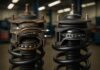
The L200’s suspension components face significant stress from heavy loads and off-road use. Shock absorbers typically need replacement every 60,000 miles, with rear shocks failing first due to constant weight bearing.
Ball joints and tie rod ends wear prematurely, causing steering play and uneven tyre wear. The power steering system may develop leaks from high-pressure hoses, particularly at connection points. Steering rack problems are less common but can occur in high-mileage vehicles.
Leaf spring problems affect older L200 models, with springs cracking or losing their curve over time. This reduces load capacity and affects ride quality significantly.
Warning signs your car has a problem
Recognising early warning signs prevents minor issues from becoming major repairs. Watch for these key indicators:
- Unusual engine noises, particularly whistling from the turbo area
- Dashboard warning lights, especially engine management indicators
- Difficulty starting, particularly in cold weather
- Excessive exhaust smoke – black, white, or blue
- Steering wheel vibration or pulling to one side
- Unusual electrical behaviour or intermittent faults
- Clutch slipping or difficulty selecting gears
- Reduced power output or poor fuel economy
How to fix the problems
Many L200 issues can be addressed through preventive maintenance and timely repairs. Here’s a comprehensive overview:
| Problem Type | Repair Cost Range | Difficulty Level | Time Required |
|---|---|---|---|
| Injector replacement | £400-800 | Advanced | 4-6 hours |
| Turbo actuator | £200-400 | Intermediate | 2-3 hours |
| Clutch replacement | £800-1200 | Advanced | 6-8 hours |
| Shock absorbers | £150-300 per pair | Intermediate | 2-3 hours |
| Ball joint replacement | £80-150 each | Intermediate | 1-2 hours |
For engine problems, start with basic diagnostics using an OBD scanner. Clean the EGR valve and replace the air filter regularly. Use quality diesel additives to maintain fuel system cleanliness.
Electrical issues often require systematic testing with a multimeter. Check battery connections first, as poor earthing causes many problems. Replace corroded wiring looms promptly to prevent cascade failures.
When to see a mechanic
While some maintenance tasks suit DIY enthusiasts, certain repairs require professional expertise. Seek professional help immediately for:
- Engine management warning lights that won’t clear
- Transmission problems affecting gear selection
- Steering or braking system faults
- Turbo-related issues requiring specialist tools
- Complex electrical diagnosis and repair
- Clutch replacement or flywheel work
Don’t delay professional diagnosis if multiple systems fail simultaneously, as this often indicates a serious underlying problem. Early intervention saves money and prevents safety risks.
Frequently Asked Questions (FAQ)
What are the most common Mitsubishi L200 engine problems?
Injector failure, turbo actuator issues, and timing belt problems represent the most frequent engine concerns in L200 models.
How often should I service my L200?
Follow the manufacturer’s service schedule: every 12 months or 12,500 miles for normal use, more frequently for heavy-duty applications.
Why does my L200 clutch feel heavy?
Heavy clutch pedal operation typically indicates dual-mass flywheel failure or clutch hydraulic system problems requiring professional attention.
Are L200 electrical problems expensive to fix?
Costs vary widely depending on the specific fault, ranging from £50 for simple bulb replacements to £500+ for complex module failures.
How long do L200 shock absorbers typically last?
Expect shock absorber replacement every 60,000-80,000 miles, though heavy use or off-road driving may reduce this significantly.
Final recommendation
The Mitsubishi L200 remains a capable and generally reliable pickup truck when properly maintained. Most problems stem from deferred maintenance or excessive loading beyond design limits. Regular servicing using genuine parts prevents many common issues from developing.
Our AutoPartsPro specialists recommend establishing a relationship with a trusted mechanic familiar with pickup trucks. Keep detailed maintenance records and address warning signs promptly. With proper care, your L200 should provide many years of dependable service.
Invest in quality replacement parts when repairs become necessary. Cheap alternatives often fail prematurely, leading to repeated repairs and higher long-term costs. Your L200 deserves components that match its robust engineering standards.

 Loading...