Engine oil does expire, whether opened or unopened, though the timeframe varies significantly. Understanding when your motor oil goes bad is crucial for maintaining your vehicle’s performance and avoiding costly engine damage. Let’s explore the key factors that affect lubricant shelf life and how to identify when it’s time for fresh engine oil.
Unopened engine oil deterioration
Sealed motor oil containers typically maintain their effectiveness for 2-5 years from the manufacturing date. Premium synthetic oils generally last longer than conventional mineral-based lubricants due to their superior chemical stability.
The storage environment plays a critical role in preservation. Extreme temperatures accelerate chemical breakdown, whilst consistent cool conditions help maintain viscosity and additive effectiveness. Direct sunlight exposure can degrade protective additives within months.
Manufacturing quality also influences longevity. High-grade synthetic formulations resist oxidation better than basic conventional oils. The container material matters too – modern plastic bottles provide adequate protection, but metal containers offer superior barrier properties against moisture and oxygen infiltration.
Professional mechanics at AutoPartsPro recommend checking manufacturing dates before purchase. Oil sitting on shelves for extended periods may already show signs of degradation, even in sealed containers. Always verify the production date stamped on the bottle.
Opened oil container degradation
Once opened, engine oil faces accelerated deterioration due to oxygen exposure. The oxidation process begins immediately upon contact with air, forming harmful acids and sludge-causing compounds.
Moisture contamination becomes a significant concern with opened containers. Water vapour enters through the opening, promoting bacterial growth and reducing lubrication properties. This is particularly problematic in humid environments or temperature-fluctuating storage areas.
Typical shelf life for opened oil drops to 6-12 months, depending on storage conditions and oil type. Synthetic oils maintain better stability than conventional variants, but all opened lubricants require careful monitoring.
Container contamination risks increase once the seal breaks. Dust, debris, and other contaminants can enter, affecting oil purity. Poor resealing practices accelerate degradation and compromise engine protection capabilities.
Temperature impact on oil lifespan
Extreme heat dramatically shortens oil life by accelerating molecular breakdown. Storage temperatures above 30°C can reduce effectiveness by 50% within months. Chemical bonds weaken, viscosity changes, and protective additives lose potency rapidly.
Cold temperatures present different challenges. Whilst slowing chemical degradation, freezing can cause oil separation and additive precipitation. Repeated freeze-thaw cycles damage molecular structure and reduce performance characteristics.
Optimal storage temperature ranges between 10-25°C in stable conditions. Garages, basements, or climate-controlled storage areas provide ideal environments. Avoid attics, outdoor sheds, or areas with significant temperature variations.
AutoPartsPro specialists emphasise that temperature consistency matters more than absolute values. Steady cool conditions preserve oil quality better than fluctuating moderate temperatures.
Chemical breakdown indicators
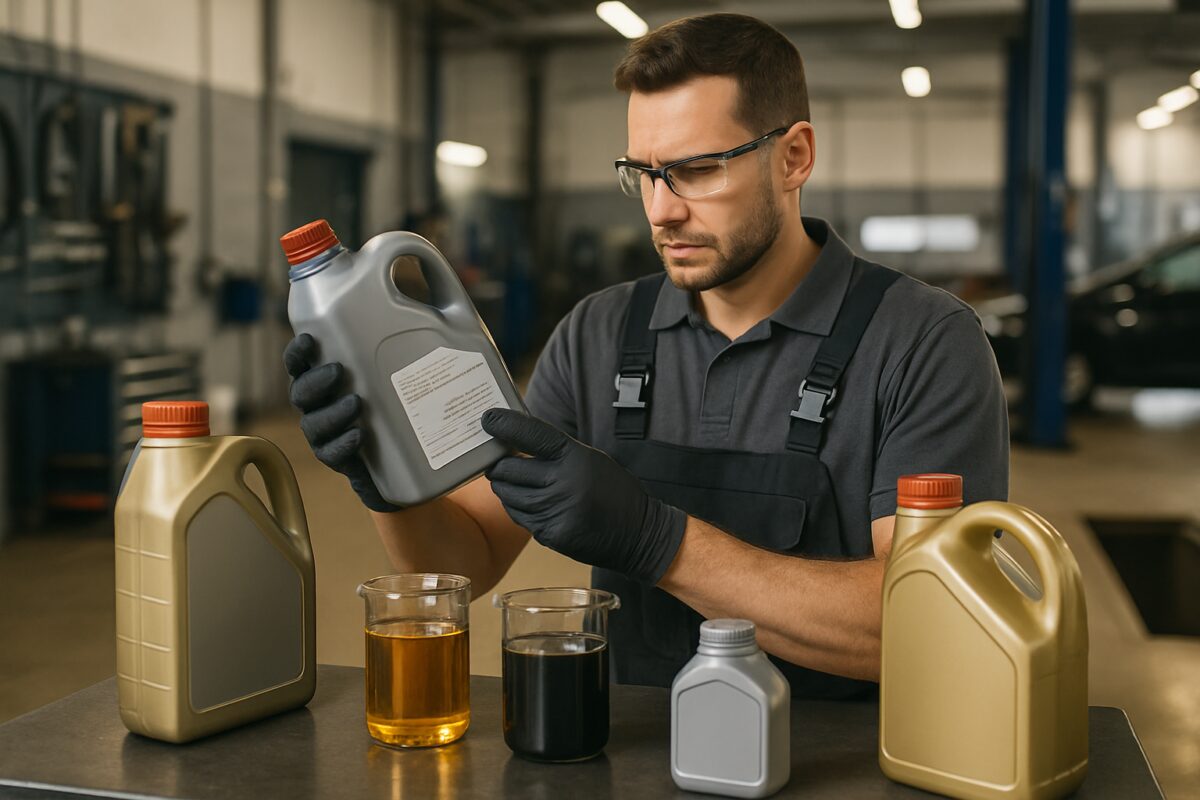
Visual changes signal oil degradation. Fresh oil appears clear and flows smoothly, whilst aged oil becomes cloudy, thick, or develops unusual colours. Dark brown or black colouration indicates severe oxidation and contamination.
Texture changes reveal chemical breakdown. Good oil maintains consistent viscosity and pours easily. Degraded oil becomes sticky, forms clumps, or separates into layers. These changes indicate additive failure and reduced protective capabilities.
Odour provides another degradation indicator. Fresh oil has a neutral petroleum scent, whilst spoiled oil develops acidic, rancid, or metallic smells. Strong chemical odours suggest contamination or severe oxidation.
Sediment formation signals advanced deterioration. Particles, crystals, or gel-like substances indicate chemical breakdown and contamination. Such oil should never enter your engine as it can cause severe damage to pistons and other components.
Warning signs your car has a problem
Several symptoms indicate your vehicle may have oil-related issues that require immediate attention:
- Engine knocking or unusual noises during operation
- Oil pressure warning lights on the dashboard
- Excessive exhaust smoke, particularly blue or black emissions
- Unusual oil consumption requiring frequent top-ups
- Metallic particles visible in used oil during changes
These warning signs often result from using expired or contaminated oil. Old lubricants lose their protective properties, leading to increased friction, heat buildup, and potential engine damage. Regular monitoring prevents costly repairs.
How to fix the problems
| Problem | Solution | Prevention |
|---|---|---|
| Expired oil in engine | Complete oil change with fresh lubricant and new oil filter | Follow manufacturer’s service intervals strictly |
| Contaminated stored oil | Dispose safely and purchase fresh oil | Store in sealed containers in stable temperatures |
| Degraded oil causing noise | Immediate oil change and engine inspection | Use high-quality oil and monitor regularly |
| Sludge buildup | Engine flush followed by premium oil change | Regular maintenance and quality lubricants |
Professional tip: Always check oil dates before use, even on recently purchased containers. Some retailers stock old inventory that may already be approaching expiration.
| Oil Type | Unopened Shelf Life | Opened Shelf Life |
|---|---|---|
| Conventional Mineral Oil | 2-3 years | 6-8 months |
| Semi-Synthetic Blend | 3-4 years | 8-10 months |
| Full Synthetic Oil | 4-5 years | 10-12 months |
When to see a mechanic
Seek professional help immediately if you notice metal shavings in oil, severe engine knocking, or sudden oil pressure drops. These symptoms suggest internal engine damage that requires expert diagnosis.
Regular professional oil changes ensure proper disposal of old lubricants and professional-grade replacement fluids. Mechanics can spot early warning signs of engine problems during routine maintenance.
If you’ve accidentally used expired oil, book an immediate service appointment. Early intervention prevents costly damage to crankshaft bearings and other critical components.
AutoPartsPro recommendation: Schedule oil changes based on time and mileage, whichever comes first. Don’t exceed manufacturer recommendations, especially with older stored oil.
Storage best practices checklist
- Keep containers sealed tightly when not in use
- Store in cool, dry locations away from direct sunlight
- Label containers with purchase and opening dates
- Use oldest oil first following proper rotation principles
- Inspect oil appearance before each use
Environmental considerations
- Dispose of expired oil at authorised recycling centres
- Never pour old oil down drains or onto soil
- Recycle empty containers according to local guidelines
- Consider environmental impact when choosing oil types
- Support sustainable automotive maintenance practices
Frequently asked questions (FAQ)
How long does unopened engine oil last?
Unopened engine oil typically lasts 2-5 years depending on type and storage conditions, with synthetic oils lasting longest.
Can I use engine oil that’s been opened for two years?
No, opened engine oil should be used within 6-12 months as exposure to air causes degradation and contamination.
Does expensive oil last longer than cheap oil?
Yes, premium synthetic oils generally maintain effectiveness longer than conventional oils due to superior additive packages and stability.
What happens if I use expired engine oil?
Expired oil can cause engine damage, increased wear, poor lubrication, and potential failure of critical components like oil pumps.
How can I tell if my stored oil has gone bad?
Check for cloudiness, unusual odours, thickness changes, separation, or sediment formation which all indicate oil degradation.
Final recommendation
Engine oil expiration is a real concern that affects both unopened and opened containers. Proper storage extends usability, but time limits remain absolute. Fresh oil protects your investment better than any expired alternative.
AutoPartsPro’s technical specialists recommend buying only what you need for immediate use. Bulk purchases may seem economical, but expired oil costs more in potential engine damage than fresh lubricants.
Always prioritise quality over quantity. Premium oils from reputable suppliers ensure optimal engine protection and longevity. Regular maintenance with fresh, high-grade lubricants keeps your vehicle running smoothly for years.
Remember that your engine deserves the best protection possible. Invest in quality engine oil and maintain proper storage practices for optimal performance and peace of mind.

 Loading...