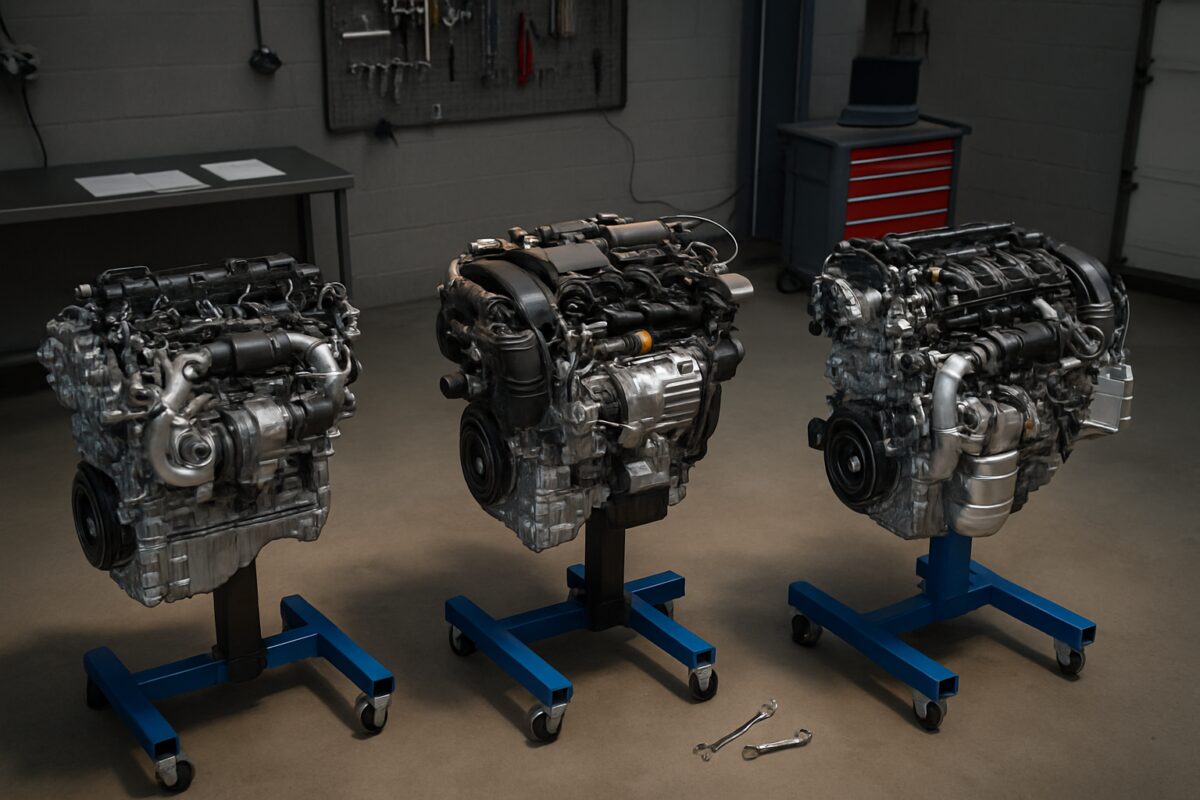
Peugeot and Citroën’s diesel engine family has evolved significantly over the past two decades, introducing three distinct technologies: HDi, e-HDi, and BlueHDi. Each variant represents a leap forward in diesel performance, fuel efficiency, and emissions reduction. Understanding these engines is crucial for potential buyers, as they power millions of vehicles across Europe and offer different advantages depending on your driving needs. From the original 90hp HDi to the latest 180hp BlueHDi units, these powerplants deliver impressive torque figures ranging from 230Nm to 400Nm.
Comparison table of all engines
| Engine | Power output | Torque | Fuel consumption | Reliability |
|---|---|---|---|---|
| 1.4 HDi | 68-90hp | 160-230Nm | 4.2-4.8L/100km | Good |
| 1.6 HDi | 90-120hp | 230-320Nm | 4.0-4.6L/100km | Very Good |
| 2.0 HDi | 136-163hp | 320-340Nm | 4.8-5.4L/100km | Good |
| 1.6 e-HDi | 92-115hp | 230-270Nm | 3.4-3.8L/100km | Average |
| 1.6 BlueHDi | 100-120hp | 250-300Nm | 3.2-4.1L/100km | Very Good |
| 2.0 BlueHDi | 150-180hp | 370-400Nm | 4.2-4.9L/100km | Excellent |
HDi engine overview
The original HDi (High-pressure Direct injection) engines launched in 1999, revolutionising diesel technology with their common rail injection system. These units feature multi-valve cylinder heads and sophisticated electronic control systems that deliver precise fuel metering.
Available in 1.4, 1.6, and 2.0-litre configurations, HDi engines utilise naturally aspirated or turbocharged setups with diesel direct injection. The fuel filter system requires regular maintenance to ensure optimal performance across all variants.
Pros
- Proven reliability with over 20 years of development
- Wide availability of spare parts and specialist knowledge
- Strong low-end torque delivery for city driving
- Cost-effective maintenance compared to newer technologies
- Simple electronics make DIY repairs more feasible
Cons
- Higher emissions compared to newer diesel standards
- Less refined noise characteristics than modern units
- Limited fuel efficiency compared to e-HDi variants
- Some early models prone to injector issues
- Lacks advanced emission control systems
e-HDi engine overview
Introduced in 2011, e-HDi technology combines traditional HDi engines with stop-start functionality and regenerative braking systems. These 1.6-litre turbocharged units feature advanced electronic management systems that optimise fuel consumption during urban driving cycles.
The e-HDi system incorporates a sophisticated battery management system and enhanced alternator technology to support the micro-hybrid functionality. Regular oil filter maintenance becomes even more critical with these systems.
Pros
- Impressive fuel economy improvements of 15-20%
- Seamless stop-start operation in traffic conditions
- Reduced CO2 emissions for lower road tax bands
- Advanced electronic systems enhance driving refinement
- Regenerative braking assists battery charging
Cons
- Complex electrical systems increase repair costs
- Stop-start mechanism can fail requiring expensive replacement
- Battery replacement costs significantly higher than conventional units
- Short journey cycles may not suit the technology
- Limited availability in larger displacement variants
BlueHDi engine overview
BlueHDi represents the pinnacle of PSA’s diesel technology, launched in 2013 with Euro 6 compliance as standard. These engines feature selective catalytic reduction (SCR) systems, diesel particulate filters, and advanced turbocharging technology across 1.6 and 2.0-litre variants.
The sophisticated emission control systems include AdBlue injection, multiple sensors, and advanced engine management. The turbocharger technology delivers exceptional performance while maintaining impressive efficiency figures.
Pros
- Exceptional fuel efficiency with Euro 6d compliance
- Impressive power delivery across the rev range
- Advanced emission control reduces environmental impact
- Refined operation with minimal noise intrusion
- Strong resale values due to modern technology
Cons
- AdBlue system requires regular top-ups and maintenance
- Complex emission systems prone to expensive failures
- DPF regeneration cycles demand regular motorway driving
- Higher initial purchase costs compared to older variants
- Specialist diagnostic equipment needed for repairs
Maintenance cost
| Engine | Recommended Interval | Estimated Cost | Cost per 10,000 miles |
|---|---|---|---|
| HDi variants | 12,500 miles / 12 months | £180-£250 | £144-£200 |
| e-HDi variants | 12,500 miles / 12 months | £220-£280 | £176-£224 |
| BlueHDi variants | 12,500 miles / 12 months | £280-£350 | £224-£280 |
According to AutoPartsPro’s technical specialists, BlueHDi engines require more frequent attention to emission control systems, increasing overall maintenance expenses. However, their improved reliability often offsets these costs through reduced breakdown incidents.
Professional tip: Always use manufacturer-approved AdBlue fluid in BlueHDi engines, as inferior products can damage the SCR catalyst and result in costly repairs exceeding £2,000.
Engine sound and character
HDi engines produce a characteristic diesel clatter at idle, becoming more refined under acceleration. The mechanical fuel injection system creates a distinctive sound signature that many enthusiasts appreciate for its authentic diesel character.
e-HDi variants offer improved acoustic refinement through advanced engine mounts and sound deadening materials. The stop-start system eliminates idle noise completely during stationary periods, contributing to a quieter urban driving experience.
BlueHDi engines represent the quietest option, with sophisticated noise control measures and balanced rotating assemblies. These units deliver near-petrol levels of refinement while maintaining diesel efficiency advantages. Our mechanics note that proper engine maintenance significantly impacts acoustic performance across all variants.
Expert advice: Regular engine oil changes using the correct specification dramatically improve engine refinement and longevity, particularly important for BlueHDi variants with tighter manufacturing tolerances.
Who each engine is best for
| Engine Type | Daily commuters | Performance enthusiasts | Long-distance drivers | Budget-conscious owners |
|---|---|---|---|---|
| HDi | Good | Average | Very Good | Excellent |
| e-HDi | Excellent | Good | Good | Average |
| BlueHDi | Very Good | Excellent | Excellent | Poor |
Frequently asked questions (FAQ)
What’s the difference between HDi and BlueHDi engines?
BlueHDi engines feature advanced emission control systems including SCR technology and AdBlue injection, whilst HDi units use simpler emission controls without these systems.
Are e-HDi engines reliable long-term?
e-HDi engines show average reliability due to complex stop-start systems, though proper maintenance significantly improves longevity and reduces electrical system failures over time.
Do BlueHDi engines require AdBlue top-ups?
Yes, BlueHDi engines consume AdBlue at approximately 1 litre per 1,000 miles, requiring regular top-ups to maintain proper emission control system operation.
Which engine offers the best fuel economy?
e-HDi variants typically achieve the lowest fuel consumption figures, with some models reaching 70mpg+ under optimal conditions through advanced stop-start technology integration.
Can I retrofit BlueHDi technology to older HDi engines?
No, BlueHDi systems require extensive engine management changes and emission hardware that cannot be retrofitted to earlier HDi variants cost-effectively or reliably.

 Loading...