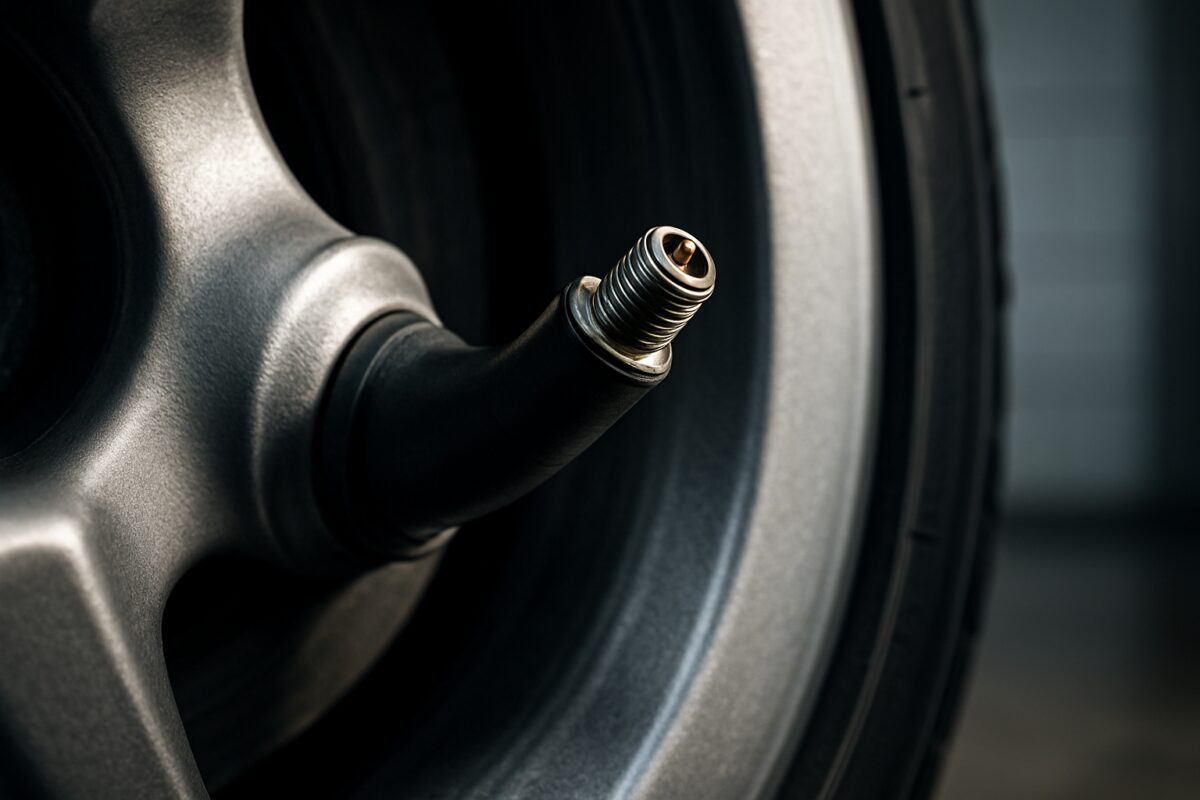
Tyre valves are small but crucial components that maintain proper air pressure in your vehicle’s tyres, preventing air loss and ensuring safe driving. These essential parts consist of a valve stem, valve core, and cap, working together to create an airtight seal that keeps your tyres properly inflated whilst allowing for pressure adjustments when needed.
Understanding tyre valve construction and function
The valve stem serves as the main body, typically made from rubber or metal, protruding through the wheel rim. Inside sits the valve core, a spring-loaded mechanism that controls air flow. When you press the pin with a tyre gauge or pump, compressed air flows in or out of the tyre.
Modern valve systems use a Schrader valve design, which has become the automotive industry standard. This design features a threaded valve core that screws into the stem, creating a reliable seal under various conditions.
Common types of tyre valves for different vehicles
Several valve types serve different vehicle requirements and applications. Understanding these variations helps you choose the right replacement components for your specific needs.
Rubber snap-in valves
Most common on steel wheels, these economical valves feature a rubber body that grips the wheel rim hole. They’re suitable for standard passenger vehicles and offer good value for money.
Installation requires pushing the valve through the rim hole from inside, where it secures with a tight rubber seal. These valves work well at moderate speeds but may require more frequent replacement than metal alternatives.
Metal clamp-in valves
Higher-performance applications often use metal valves with threaded stems and securing nuts. These provide superior durability and stability at high speeds, making them popular for alloy wheels and performance vehicles.
The metal construction resists cracking and deterioration better than rubber alternatives. Installation involves threading the valve through the rim and securing with a nut from the inside.
High-pressure and specialised valves
Commercial vehicles, lorries, and specialist applications may require reinforced valves capable of handling higher pressures. These heavy-duty components feature thicker walls and stronger materials.
Some luxury vehicles incorporate pressure monitoring systems that require special valve configurations to accommodate sensors and transmitters.
Recognising tyre valve leak symptoms
Early detection of valve problems prevents complete tyre deflation and potential safety hazards. Our AutopartsPro mechanics emphasise the importance of regular valve inspection during routine maintenance.
Physical signs of valve damage
Visual inspection often reveals obvious problems:
- Cracked or split rubber around the valve stem base
- Corroded metal components showing rust or oxidation
- Bent or damaged valve stems from impact or improper handling
- Missing or damaged valve caps allowing dirt infiltration
- Visible air bubbles when soapy water is applied to the valve area
Performance indicators of failing valves
Operational symptoms include:
- Gradual pressure loss requiring frequent top-ups
- Hissing sounds when the valve is pressed
- Difficulty maintaining consistent tyre pressure
- Pressure drops overnight or during temperature changes
- Uneven tyre wear patterns suggesting inconsistent inflation
Simple valve leak testing methods
Several straightforward techniques help identify valve leaks without specialised equipment. These methods work effectively for most passenger vehicles and light commercial applications.
Soap bubble test procedure
Mix washing-up liquid with water to create a soapy solution. Apply this mixture around the valve stem and core using a brush or spray bottle. Leaking air creates visible bubbles that indicate the exact leak location.
This method works particularly well for slow leaks that might not be audible. Allow several minutes for bubbles to form if the leak is very small.
Submerging technique for wheel removal
When wheels are removed for maintenance, submerging the valve area in water reveals air bubbles from leaking components. This approach provides definitive leak confirmation.
Ensure the water level covers the entire valve assembly, including the stem-to-rim junction where many leaks occur.
Professional valve replacement costs and considerations
Understanding replacement costs helps budget for proper tyre maintenance. Our experience at AutopartsPro shows that valve replacement typically costs between £5-£20 per valve, depending on type and installation complexity.
| Valve Type | Part Cost | Labour Cost | Total Cost |
|---|---|---|---|
| Rubber Snap-in | £2-£5 | £10-£15 | £12-£20 |
| Metal Clamp-in | £5-£10 | £10-£15 | £15-£25 |
| TPMS Compatible | £8-£15 | £15-£25 | £23-£40 |
| Commercial/Heavy Duty | £10-£20 | £15-£20 | £25-£40 |
Factors affecting replacement costs
Several elements influence the final price:
- Valve type and material quality
- Wheel removal requirements
- TPMS system integration needs
- Regional labour rates
- Multiple valve replacement discounts
DIY valve replacement for experienced mechanics
Skilled DIY enthusiasts can replace certain valve types with proper tools and knowledge. However, this task requires specific equipment and careful handling to avoid wheel or tyre damage.
Required tools and materials
Essential equipment includes:
- Valve stem pullers or installation tools
- Tyre levers for bead breaking
- Valve core removal tools
- Rim protectors to prevent scratching
- Proper replacement valves for your application
Safety considerations and limitations
DIY replacement works best for simple rubber snap-in valves on steel wheels. Alloy wheels require extra care to prevent damage, whilst TPMS-equipped vehicles need professional attention to maintain sensor functionality.
Always deflate tyres completely before attempting valve replacement. Compressed air under pressure can cause serious injury if components fail during removal.
| Vehicle Type | DIY Difficulty | Professional Recommended | Special Requirements |
|---|---|---|---|
| Standard Steel Wheels | Moderate | Optional | Basic tools |
| Alloy Wheels | High | Yes | Rim protection |
| TPMS Equipped | Very High | Essential | Sensor programming |
| Commercial Vehicles | Very High | Essential | Heavy-duty equipment |
Preventing valve problems through proper maintenance
Regular maintenance extends valve life and prevents unexpected failures. Our AutopartsPro specialists recommend incorporating valve checks into routine tyre maintenance schedules.
Regular inspection procedures
Monthly visual checks should include examining valve stems for cracks, ensuring caps are tight, and testing for air leaks using the soap bubble method. This proactive approach catches problems before they cause complete pressure loss.
When checking tyre pressure monthly, also inspect the valve condition. Look for signs of deterioration, particularly on vehicles exposed to harsh weather conditions or frequent off-road use.
Environmental protection measures
Valve caps provide essential protection against dirt, moisture, and road debris. Replace missing caps immediately to prevent contamination that can cause valve core sticking or corrosion.
UV exposure gradually degrades rubber valve stems, particularly on vehicles parked outdoors extensively. Consider covered parking or tyre covers for long-term storage to extend valve life.
> **Professional Tip**: Always replace valve caps after checking tyre pressure. These small components prevent dirt and moisture from entering the valve mechanism, significantly extending service life and preventing costly failures.
When to replace valve cores versus complete valves
Not every valve problem requires complete replacement. Understanding when core replacement suffices versus needing entire valve renewal saves money and time.
Valve core replacement scenarios
Core replacement works for slow leaks from the valve mechanism itself, provided the stem remains in good condition. This approach costs significantly less than complete valve replacement.
New valve cores cost under £1 each and require only a simple removal tool. The process takes minutes and doesn’t require wheel removal or tyre dismounting.
However, core replacement won’t fix leaks at the stem-to-rim junction or problems with cracked valve bodies. These issues necessitate complete valve replacement.
Complete valve replacement indicators
Replace entire valves when stems show cracking, corrosion, or physical damage. Age-related deterioration, particularly in rubber components, also indicates replacement needs.
Vehicles over five years old benefit from complete valve renewal during tyre replacement, as preventive maintenance costs less than emergency repairs later.
Impact of valve problems on vehicle safety
Faulty valves compromise vehicle safety through gradual or sudden pressure loss. Understanding these risks emphasises the importance of prompt valve maintenance.
Underinflated tyres increase stopping distances, reduce handling precision, and promote uneven wear patterns. Severe cases can lead to tyre failure at speed, creating dangerous situations.
Modern vehicles rely on consistent tyre pressure for optimal performance from safety systems like ABS and stability control. Valve-related pressure variations can interfere with these critical functions.
Commercial operators face additional concerns regarding load capacity and fuel efficiency. Proper valve maintenance ensures compliance with safety regulations whilst maximising operational economy.
Regular valve inspection and timely replacement represent small investments that prevent major safety risks and expensive tyre damage. Quality replacement parts from reputable suppliers ensure reliable long-term performance, making professional valve service a worthwhile consideration for all vehicle owners.
Frequently Asked Questions (FAQ)
How long do tyre valves typically last?
Rubber valves last 5-7 years under normal conditions, whilst metal valves can serve 10+ years with proper maintenance and cap protection.
Can I drive with a slow valve leak?
Brief driving is possible but unsafe long-term. Check pressure daily and repair promptly to prevent complete deflation and tyre damage.
Do I need special valves for TPMS systems?
TPMS-equipped vehicles require compatible valves that accommodate sensors. Professional installation ensures proper system function and avoids costly programming issues.
What causes valve stems to crack?
Age, UV exposure, temperature extremes, and physical damage cause cracking. Regular inspection and valve cap use prevent premature deterioration significantly.
Should I replace all four valves at once?
Replacing all valves during tyre changes is cost-effective preventive maintenance, ensuring uniform reliability and avoiding repeated service visits for individual failures.

 Loading...