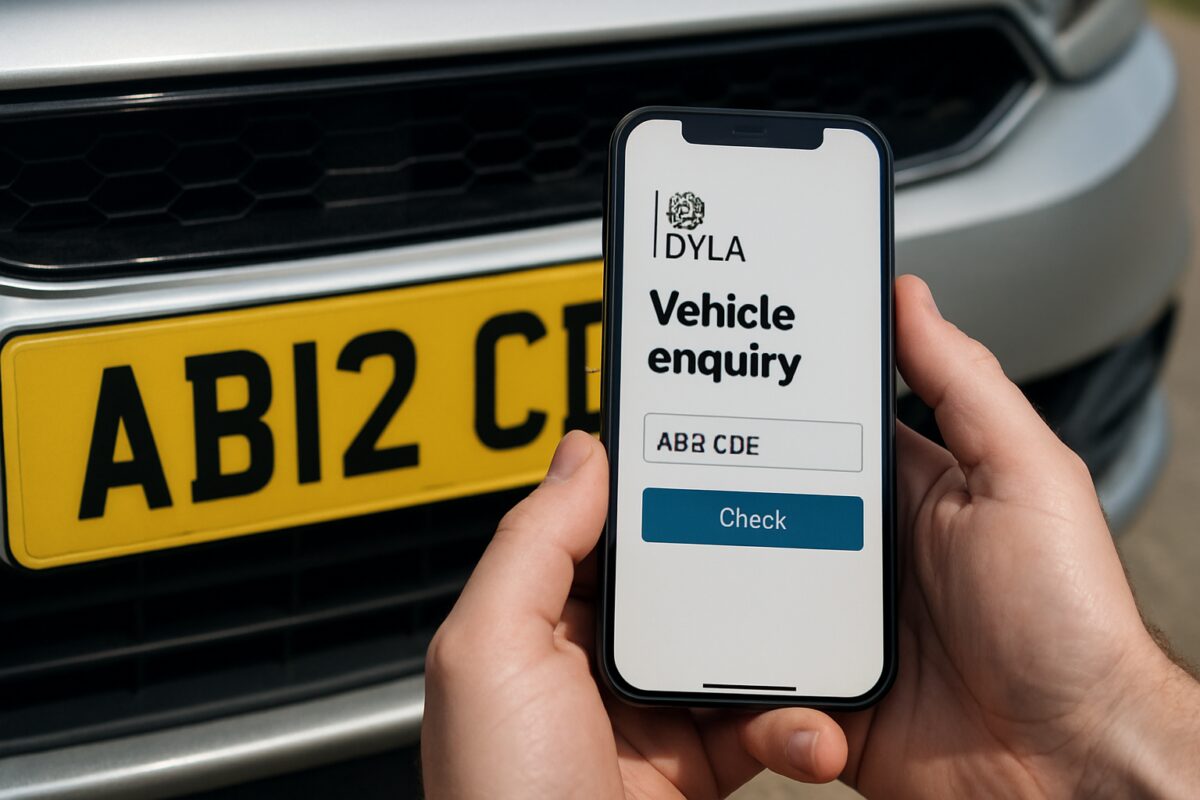
To check if a car is stolen by number plate, use the DVLA’s free vehicle enquiry service or contact the police directly with the registration number. The DVLA database provides immediate access to vehicle status, including theft reports, whilst police systems offer comprehensive criminal records. This verification process takes minutes and helps prevent purchasing stolen vehicles or reporting suspicious activity.
Tools & parts required
Checking a stolen vehicle status requires minimal equipment but access to the right resources. Here’s what you’ll need to perform a thorough investigation.
Information needed
- Vehicle registration number (number plate)
- Vehicle identification number (VIN) if available
- Make and model details
- Approximate year of manufacture
Access requirements
- Internet connection for DVLA enquiry service
- Mobile phone for police contact
- Valid identification for official enquiries
- Vehicle documents if you’re the owner
Always verify the registration number matches the vehicle’s physical number plates before starting any checks. Cloned plates are common in vehicle theft cases.
Safety precautions
Vehicle theft investigations can involve criminal activity, so take appropriate safety measures.
Never approach suspicious individuals or vehicles directly. If you suspect a vehicle is stolen, maintain a safe distance and avoid confrontation. Contact authorities immediately rather than attempting personal investigation.
When checking vehicles in person, ensure you’re in a well-lit, public area. Bring a trusted friend when inspecting potential purchases from private sellers.
Keep your personal information secure during online searches. Use official government websites only, avoiding third-party services that may compromise your data.
Step-by-step instructions
Follow these systematic steps to verify a vehicle’s theft status using official channels.
Step 1: Use the DVLA vehicle enquiry service
Visit the official DVLA website and navigate to their free vehicle enquiry service. Enter the complete registration number exactly as shown on the number plate.
The system provides instant access to basic vehicle information including make, model, colour, and fuel type. More importantly, it shows if the vehicle has been reported stolen or is subject to any restrictions.
Cross-reference the displayed information with the physical vehicle. Discrepancies in make, model, or colour may indicate cloned plates or fraudulent activity.
Step 2: Contact local police for verification
Ring your local police station’s non-emergency number to report suspicious vehicles or verify theft status. Provide the registration number and explain your concerns clearly.
Police databases contain more comprehensive theft records than public systems. They can cross-reference multiple databases including insurance company reports and international theft records.
Request a reference number for your enquiry. This documentation proves you’ve taken reasonable steps to verify the vehicle’s legitimacy.
Step 3: Check the vehicle identification number
Locate the VIN, typically found on the dashboard near the windscreen or on the driver’s door frame. Compare this against DVLA records or insurance documents.
Stolen vehicles often have altered or missing VIN plates. Look for signs of tampering, misaligned numbers, or different font styles that may indicate forgery.
Professional thieves sometimes swap VIN plates between vehicles. A thorough inspection includes checking engine bay stampings and other chassis markings.
Step 4: Verify insurance and MOT status
Use the government’s MOT history service to check test certificates and insurance status. Stolen vehicles rarely maintain valid insurance or pass MOT tests legitimately.
Look for gaps in MOT history or sudden changes in ownership patterns. Multiple owner changes within short periods often indicate problematic vehicles.
Contact the insurance company directly if you have policy details. They maintain detailed theft databases and can verify claims history immediately.
Step 5: Document your findings
Record all information gathered during your investigation. Take photographs of the vehicle, registration plates, and any documentation provided.
Keep copies of DVLA printouts, police reference numbers, and communication records. This documentation protects you legally and assists authorities if needed.
If purchasing a vehicle, ensure all checks are completed before any money changes hands. Never rely solely on seller-provided documentation.
Common mistakes to avoid
Several critical errors can compromise your vehicle theft investigation and potentially expose you to legal issues.
Never trust verbal assurances from sellers without independent verification. Criminals often provide convincing stories about lost paperwork or temporary registration issues.
Avoid using unofficial websites claiming to provide vehicle history reports. These services often lack access to current theft databases and may be scams themselves.
Don’t assume expensive vehicles are less likely to be stolen. High-value cars are frequent theft targets and may have sophisticated cloning operations.
Never complete a vehicle purchase without seeing original registration documents and conducting independent checks. Photocopied or emailed documents are easily forged.
Professional mechanics at AutoPartsPro recommend checking both the registration number and VIN separately, as sophisticated theft operations often clone number plates but struggle to replicate chassis numbers accurately.
When should you check vehicle theft status
Regular vehicle theft checks protect both buyers and the general public from criminal activity.
Always verify any vehicle before purchase, regardless of the seller’s apparent legitimacy. Private sales, auctions, and even some dealers occasionally handle stolen vehicles unknowingly.
Check vehicles displaying suspicious behaviour patterns, such as poor maintenance despite recent registration, mismatched keys, or nervous sellers avoiding direct questions.
Report suspicious vehicles parked in your area for extended periods. Community vigilance helps police recover stolen vehicles and prevent further crime.
Verify your own vehicle periodically if you suspect identity theft or unusual insurance communications. Your battery or other components might be targeted by thieves seeking specific parts.
Related security measures you can implement
Comprehensive vehicle security extends beyond theft checking to include preventive measures and regular maintenance.
Install quality security systems including alarms, immobilisers, and tracking devices. Modern systems integrate with smartphone apps for remote monitoring and alerts.
Maintain regular service schedules to ensure your oil filter and other components function correctly. Well-maintained vehicles are less attractive to opportunist thieves.
Consider upgrading your brake pads and shock absorber components, as thieves often target vehicles with valuable parts for resale.
Regular inspection of air filter and spark plug components helps maintain vehicle performance and security system functionality.
Frequently asked questions
How quickly can I get theft status results?
DVLA online checks provide instant results, whilst police verification typically takes 24-48 hours for comprehensive database searches.
Are free vehicle checks reliable enough?
Government services provide accurate basic information, but paid services offer more comprehensive history including insurance claims and finance agreements.
What happens if I accidentally buy a stolen car?
You may lose both the vehicle and your money, with no legal recourse against the original thief.
Can stolen vehicles have valid MOT certificates?
Yes, vehicles stolen after passing MOT tests retain valid certificates until expiry, though insurance will be invalid.
Should I report suspicious vehicles to police immediately?
Always report suspected stolen vehicles promptly, providing registration numbers and location details for police investigation and potential recovery.
Protecting yourself from stolen vehicle fraud requires diligence and proper verification procedures. The few minutes spent checking registration details and contacting authorities can save thousands of pounds and prevent serious legal complications. Whether you’re purchasing a vehicle or reporting suspicious activity, these systematic checks provide essential protection for both individuals and the broader community.

 Loading...