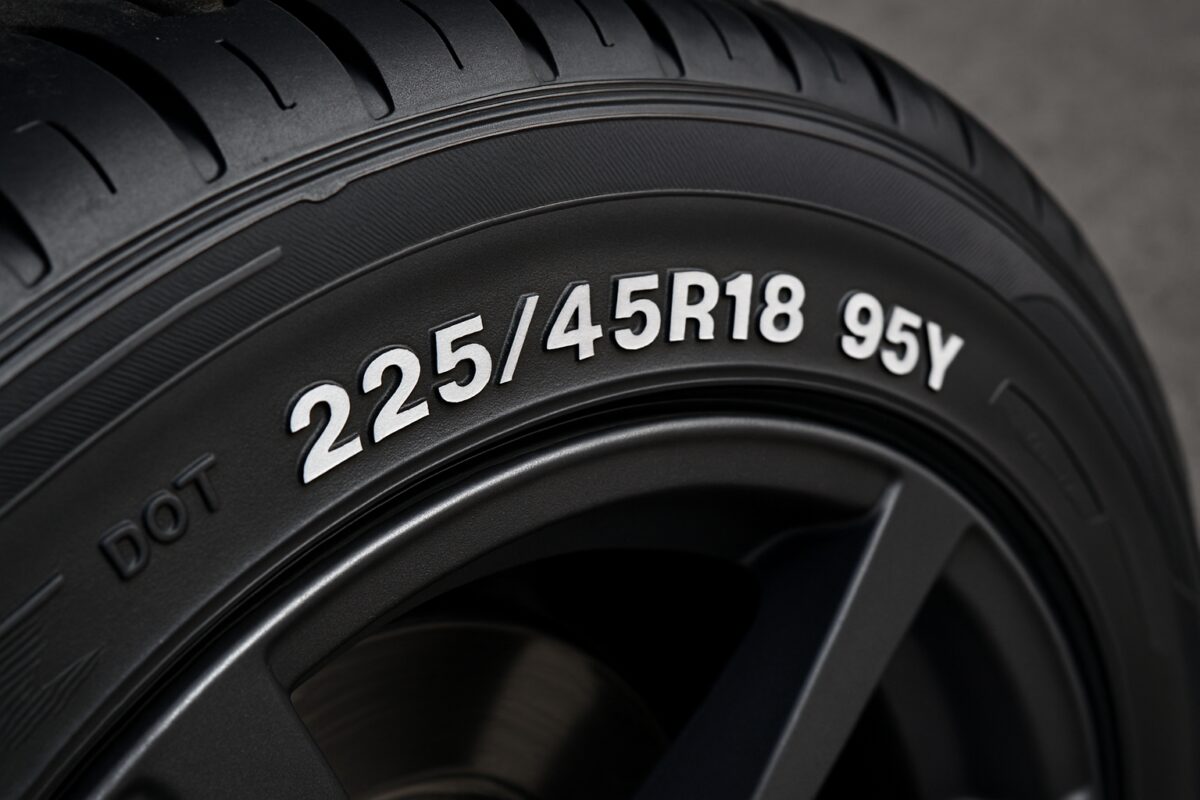
To find your tyre size, check the sidewall markings on your current tyres, which display a standardised format like 205/55R16 91H. This sequence indicates width (205mm), aspect ratio (55%), construction type (R for radial), wheel diameter (16 inches), load index (91), and speed rating (H). You’ll also find this information in your vehicle handbook, on a sticker inside the driver’s door frame, or fuel filler cap.
Where to locate tyre size information
Your tyre size appears in several places on your vehicle. The most obvious location is embossed on the tyre sidewall itself, usually in white or raised lettering. Every tyre manufacturer follows the same international standard for these markings.
Check your vehicle handbook for the recommended tyre specifications. Most manufacturers include a dedicated section showing approved tyre sizes for different wheel options. This proves particularly useful when considering upgrades or replacements.
Look for a placard inside the driver’s door frame. This official sticker lists the original equipment tyre sizes along with recommended pressures. Some vehicles display this information near the fuel filler cap or in the glove compartment.
Understanding the tyre size code
The tyre size code follows a specific pattern that reveals crucial information about your tyres. Let’s decode a typical example: 225/45R18 95Y.
Width (225): The first number indicates the tyre width in millimetres from sidewall to sidewall when mounted on the recommended rim width.
Aspect ratio (45): This percentage shows the sidewall height as a proportion of the tyre width. A lower number means a shorter, sportier sidewall.
Construction (R): Nearly all modern tyres use radial construction, indicated by the letter R. You might occasionally see D for diagonal or B for bias-belt construction on older vehicles.
Wheel diameter (18): This measurement in inches tells you the internal diameter of the tyre or the wheel rim diameter it fits.
Load index (95): This number corresponds to the maximum weight each tyre can safely carry. Higher numbers indicate greater load capacity.
Speed rating (Y): The letter shows the maximum speed the tyre can sustain safely. Common ratings include H (130mph), V (149mph), and Y (186mph).
Additional markings to note
Beyond the basic size code, your tyre sidewall contains other important information. The DOT code reveals the manufacturing date, whilst various symbols indicate specific certifications and capabilities.
Look for directional arrows if you have directional tyres. These must be mounted in the correct rotation direction for optimal performance. Some tyres also display “Outside” or “Inside” markings for asymmetric patterns.
Winter tyre markings include the snowflake symbol or M+S (Mud and Snow) designation. These indicators help identify tyres suitable for cold weather conditions and legal winter driving requirements.
Professional tip from Autopartspro specialists: Always match the exact load index and speed rating when replacing tyres. Using lower-rated tyres than manufacturer specifications can affect vehicle safety and insurance validity.
Common tyre size variations
Many vehicles offer multiple tyre size options from the factory. Smaller wheels typically provide better ride comfort and fuel economy, whilst larger wheels offer improved handling and aesthetics.
Plus-sizing involves fitting larger diameter wheels with lower profile tyres. This maintains the overall rolling circumference whilst changing the wheel-to-tyre proportions. Professional fitting ensures proper wheel hub compatibility.
Seasonal considerations might require different tyre sizes. Some drivers switch between summer and winter setups, potentially using different wheel sizes. Always verify that alternative sizes meet manufacturer specifications.
When tyre size information is unclear
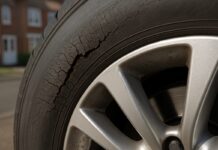
Damaged or worn sidewalls can make size markings difficult to read. Poor lighting conditions or accumulated dirt might obscure the information. Clean the sidewall gently with soap and water to reveal faded markings.
If sidewall damage has destroyed the size information, check the remaining tyres on your vehicle. Most cars use identical sizes on all four corners, though some performance vehicles have staggered setups with different front and rear sizes.
Contact a professional tyre dealer if you cannot locate size information. They can measure your existing tyres and cross-reference with vehicle databases to determine the correct specifications.
Expert advice: Never guess your tyre size when ordering replacements. Incorrect sizing affects speedometer accuracy, vehicle handling, and can damage ABS sensors and other safety systems.
Digital resources for tyre size identification
Modern smartphone apps can help identify tyre sizes through photo recognition. These tools prove useful when shopping for replacements or checking compatibility with different wheel options.
Manufacturer websites often include tyre size lookup tools. Enter your vehicle registration or select your make, model, and year to find approved tyre specifications. This information matches factory recommendations exactly.
Professional tyre retailers maintain comprehensive databases linking vehicle information to correct tyre sizes. These resources include aftermarket options and upgrade possibilities while maintaining safety standards.
Seasonal and performance considerations
Different driving conditions might require specific tyre characteristics beyond basic sizing. Winter tyres use compounds designed for cold temperatures, whilst summer tyres optimise for warm weather performance.
Performance vehicles often specify different front and rear tyre sizes. This staggered setup improves handling balance but requires careful attention when ordering replacements. Always maintain the manufacturer’s intended size distribution.
Consider consulting your vehicle’s service manual for approved alternative sizes. Some manufacturers permit plus-sizing within specific parameters, allowing personalisation whilst maintaining safety and performance standards.
Can I use different tyre sizes on the same car?
Generally no, unless your vehicle has a staggered setup from factory. Mixing sizes affects handling, ABS function, and speedometer accuracy significantly.
What happens if I fit the wrong tyre size?
Incorrect sizing can damage suspension components, affect fuel economy, and compromise safety systems like ABS and traction control.
Do spare tyres need to match my main tyres exactly?
Space-saver spares intentionally differ but full-size spares should match your regular tyres for optimal safety and performance.
How often should I check my tyre size information?
Verify sizing when replacing tyres, changing wheels, or if you suspect incorrect fitment affecting vehicle behaviour or fuel consumption.
Can tyre size affect my car insurance?
Yes, modifications from standard specifications might affect coverage. Always inform insurers about any changes from manufacturer recommendations.
Finding your tyre size requires checking multiple sources for accuracy and understanding the coding system thoroughly. Whether you’re replacing worn tyres or considering upgrades, matching the correct specifications ensures optimal vehicle performance and safety. Professional guidance from experienced suppliers helps navigate the various options whilst maintaining manufacturer standards and legal compliance.

 Loading...