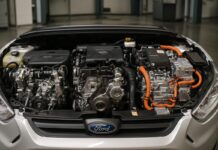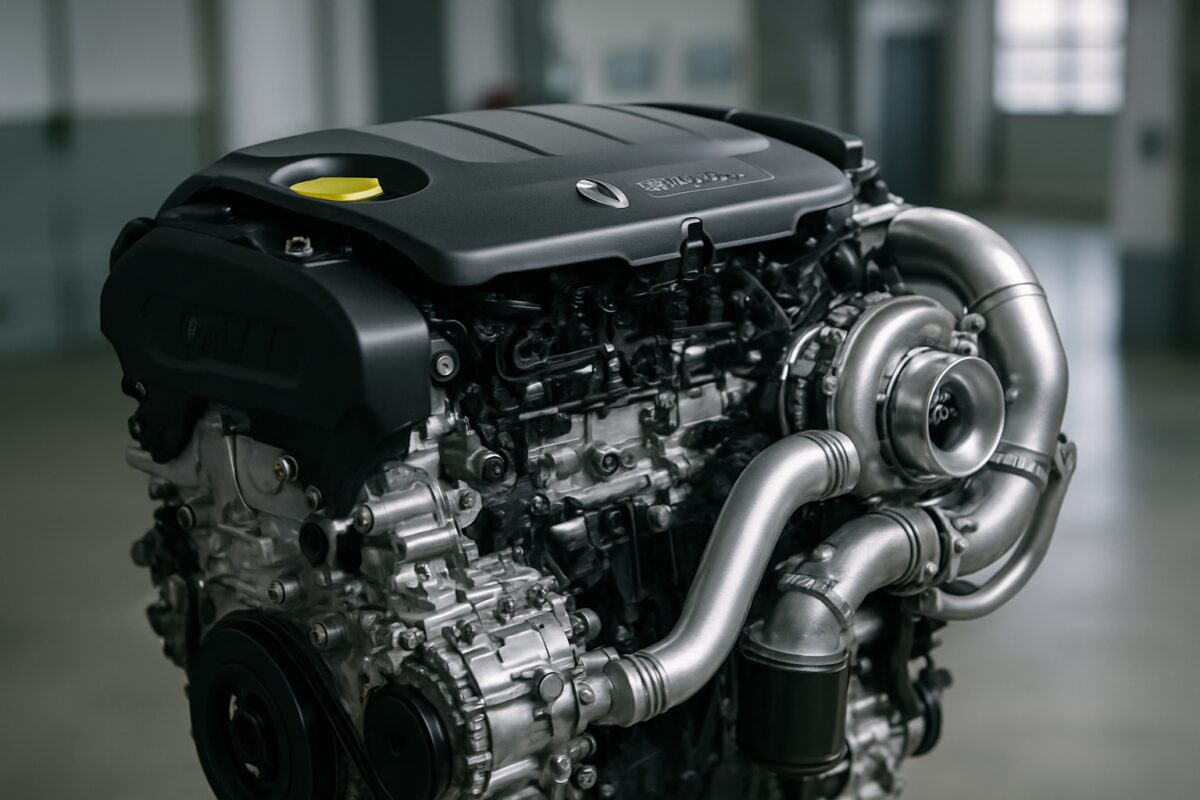
The Renault Megane stands as one of France’s most popular family hatchbacks, competing directly with the Volkswagen Golf and Ford Focus in the hotly contested C-segment. The engine forms the beating heart of any Megane, determining everything from daily driving experience to long-term ownership costs. With power outputs ranging from economical 90bhp diesels to hot hatch 300bhp petrols, plus torque figures spanning 200-400 Nm, Renault offers impressive variety across petrol, diesel, and hybrid powertrains to suit every driving requirement.
Comparison table of all engines
| Engine | Power output | Torque | Fuel consumption | Reliability |
|---|---|---|---|---|
| 1.0 TCe 100 | 100bhp | 160 Nm | 47.9 mpg | Good |
| 1.3 TCe 140 | 140bhp | 240 Nm | 44.1 mpg | Very Good |
| 1.6 E-Tech Hybrid | 143bhp | 250 Nm | 58.9 mpg | Good |
| 1.5 dCi 95 | 95bhp | 240 Nm | 62.8 mpg | |
| 1.5 dCi 115 | 115bhp | 270 Nm | 58.9 mpg | Excellent |
| 2.0 RS Trophy | 300bhp | 390 Nm | 34.4 mpg | Good |
1.0 TCe 100 engine overview
This three-cylinder turbocharged petrol unit represents Renault’s entry-level offering for the Megane range. The 1.0-litre displacement uses direct injection technology with a single turbocharger to achieve respectable performance figures. Despite its modest size, this naturally aspirated alternative delivers adequate power for urban driving whilst maintaining excellent fuel economy credentials.
Pros
- Excellent fuel economy with combined figures approaching 48 mpg
- Low CO2 emissions make it attractive for company car users
- Responsive throttle thanks to turbocharging from low revs
- Affordable purchase price and insurance costs
- Smooth three-cylinder character with minimal vibration
Cons
- Limited power for motorway overtaking manoeuvres
- Can feel strained when fully loaded with passengers
- Three-cylinder thrum may not appeal to all drivers
- Requires frequent gear changes to maintain momentum
- Turbo lag noticeable at very low engine speeds
1.3 TCe 140 engine overview
Renault’s four-cylinder 1.3-litre turbocharged petrol engine offers the sweet spot between performance and economy. This unit benefits from direct injection and variable valve timing, delivering smooth power across a broad rev range. The engine incorporates advanced thermal management and turbocharger technology for optimal efficiency.
Pros
- Strong mid-range torque delivery ideal for everyday driving
- Refined four-cylinder smoothness throughout the rev range
- Good balance of performance and fuel economy
- Proven reliability record across Renault-Nissan alliance
- Responsive acceleration suitable for motorway driving
Cons
- Higher purchase price compared to smaller engines
- Fuel consumption increases noticeably under hard acceleration
- Requires premium unleaded fuel for optimal performance
- More complex engine management systems than naturally aspirated alternatives
- Turbocharger components may require eventual replacement
1.6 E-Tech hybrid engine overview
The innovative E-Tech hybrid system combines a 1.6-litre naturally aspirated petrol engine with two electric motors and a clever multi-mode automatic transmission. This sophisticated powertrain can operate in pure electric mode for urban driving or combine both power sources for maximum efficiency. The system uses Formula 1-derived technology for seamless power delivery.
Pros
- Outstanding fuel economy figures approaching 59 mpg
- Silent electric-only operation for city centre driving
- Instant torque delivery from electric motors
- Reduced emissions benefit urban air quality
- Regenerative braking system reduces brake pad wear
Cons
- Complex hybrid system increases potential repair costs
- Limited electric-only range for longer journeys
- Higher initial purchase price than conventional engines
- Battery pack reduces boot space capacity
- Specialist knowledge required for maintenance work
1.5 dCi diesel engines overview
Renault’s proven 1.5-litre diesel engine comes in two power outputs, offering exceptional fuel economy and robust reliability. These four-cylinder turbodiesel units feature common rail injection and advanced emission control systems including particulate filters. The engines deliver impressive torque figures ideal for long-distance cruising and heavy load carrying.
Pros
- Exceptional fuel economy with figures exceeding 60 mpg
- Strong low-end torque perfect for overtaking
- Proven reliability with high mileage capability
- Lower CO2 emissions than equivalent petrol engines
- Ideal for high-mileage drivers and commercial use
Cons
- Higher initial purchase price than petrol alternatives
- Diesel particulate filter requires regular regeneration cycles
- More expensive engine oil and filter changes
- Potential issues with modern emission control systems
- Diesel fuel prices typically higher than petrol
2.0 RS Trophy engine overview
The flagship RS Trophy features a highly tuned 2.0-litre four-cylinder turbocharged petrol engine producing 300bhp. This performance-focused unit incorporates forged internals, upgraded turbocharger hoses, and advanced engine management for track-ready capability. The engine delivers explosive acceleration whilst maintaining reasonable fuel consumption for its output.
Pros
- Tremendous power output rivalling premium sports cars
- Strong torque delivery across wide rev range
- Track-focused engineering for serious enthusiasts
- Distinctive exhaust note enhances driving experience
- Excellent power-to-weight ratio for the class
Cons
- Significantly higher fuel consumption than standard engines
- Premium unleaded fuel mandatory for optimal performance
- Higher maintenance costs due to performance components
- Limited availability and higher insurance premiums
- Firm suspension setup may compromise daily comfort
Maintenance cost
| Engine | Recommended Interval | Estimated Cost | Cost per 10,000 miles |
|---|---|---|---|
| 1.0 TCe 100 | 12,000 miles | £180 | £150 |
| 1.3 TCe 140 | 12,000 miles | £220 | £183 |
| 1.6 E-Tech Hybrid | 12,000 miles | £250 | £208 |
| 1.5 dCi 95/115 | 12,000 miles | £280 | £233 |
| 2.0 RS Trophy | 6,000 miles | £450 | £750 |
Our Autopartspro mechanics recommend adhering strictly to manufacturer service intervals, particularly for turbocharged engines which rely on clean oil for optimal performance. Regular oil filter changes prove essential for maintaining engine longevity and preserving warranty coverage.
Professional Tip: Always use manufacturer-approved oil specifications for turbocharged engines. Using incorrect viscosity grades can damage turbocharger bearings and void warranty coverage.
Engine sound and character
Each Megane engine offers distinct acoustic characteristics that define the driving experience. The 1.0 TCe produces a characterful three-cylinder thrum that’s audible but not intrusive during normal driving. The 1.3 TCe delivers refined four-cylinder smoothness with a subtle sporty note under acceleration.
Hybrid variants operate almost silently in electric mode, creating an eerily quiet cabin environment perfect for urban environments. The diesel engines provide the familiar compression-ignition rumble at idle, smoothing out considerably once moving.
The RS Trophy stands apart with its aggressive exhaust note featuring pops and crackles on the overrun. The exhaust manifold design specifically enhances the theatrical soundtrack that enthusiasts crave.
Professional Tip: Regular air filter replacement maintains optimal engine breathing and preserves the intended sound character, particularly important for performance variants.
Who each engine is best for
| Engine | Best for | Typical Usage | Annual Mileage |
|---|---|---|---|
| 1.0 TCe 100 | Budget-conscious owners | Urban commuting | Under 10,000 miles |
| 1.3 TCe 140 | Daily commuters | Mixed driving conditions | 10,000-15,000 miles |
| 1.6 E-Tech Hybrid | Eco-conscious drivers | City and motorway | 12,000-18,000 miles |
| 1.5 dCi 95/115 | Long-distance drivers | Motorway cruising | Over 20,000 miles |
| 2.0 RS Trophy | Performance enthusiasts | Weekend spirited driving | Under 8,000 miles |
Understanding your driving patterns helps determine the most suitable engine choice. High-mileage drivers benefit from diesel efficiency, whilst urban users should consider hybrid technology for maximum economy and emission benefits.
Frequently Asked Questions (FAQ)
Which Renault Megane engine offers the best fuel economy?
The 1.5 dCi 95 diesel engine delivers the best fuel economy with official figures of 62.8 mpg combined, making it ideal for high-mileage drivers.
Are Renault Megane engines reliable for high mileage use?
Yes, particularly the 1.5 dCi diesel engines which regularly achieve over 200,000 miles with proper maintenance and quality replacement parts from specialists.
What’s the difference between TCe 100 and TCe 140 engines?
The TCe 140 uses four cylinders versus three in the TCe 100, offering smoother operation and 40bhp more power for better motorway performance.
Do Renault Megane hybrid engines require special maintenance?
Hybrid systems need specialist diagnostic equipment and technician training, but basic servicing intervals remain similar to conventional petrol engines at 12,000 miles.
Is the RS Trophy engine suitable for daily driving?
Whilst capable of daily use, the RS Trophy’s firm suspension and higher fuel consumption make it better suited for weekend enthusiasts rather than commuters.

 Loading...