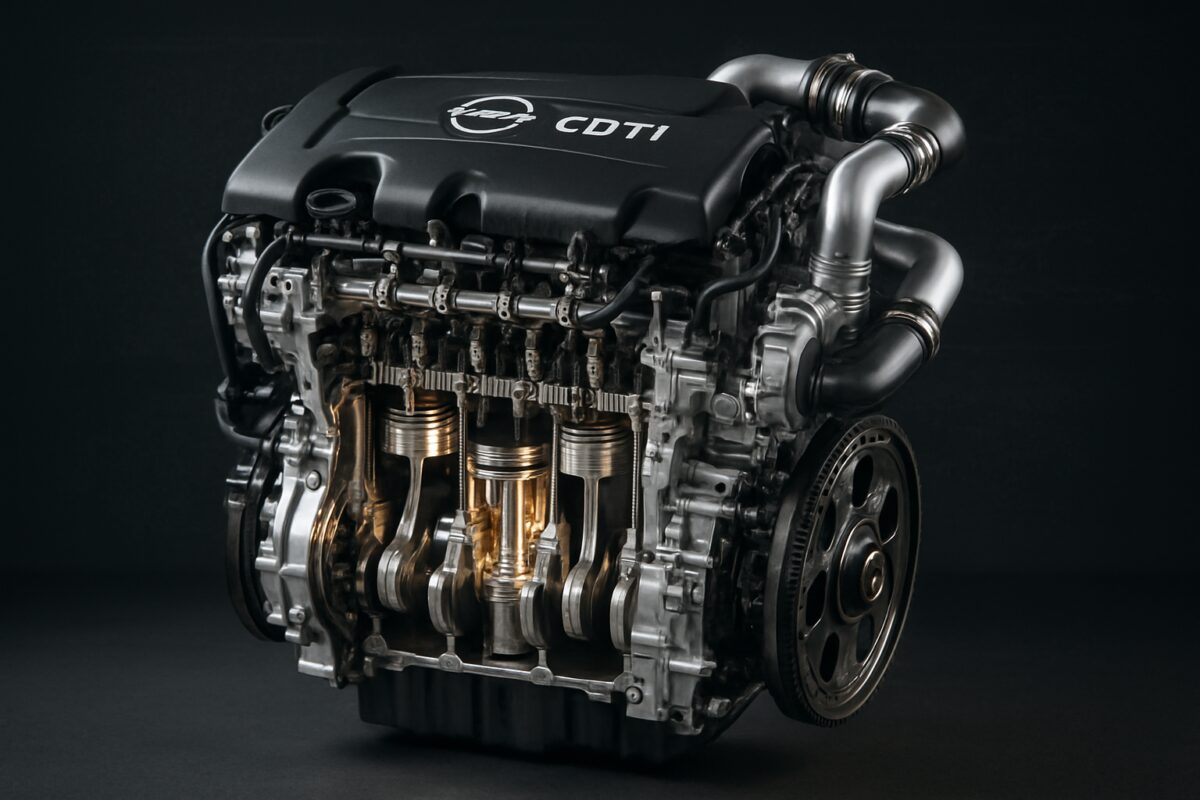
Opel’s CDTi designation represents Common Rail Diesel Turbo injection technology, a sophisticated diesel powerplant series that has propelled the German manufacturer’s vehicles across European markets for over two decades. These engines power everything from compact hatchbacks to executive saloons, delivering a balance between economy and driving dynamics. The CDTi family spans outputs from 90bhp to 195bhp, with torque figures reaching 470Nm in top-specification variants, making them relevant for daily commuters and long-distance drivers alike.
The CDTi nomenclature signals Opel’s commitment to modern diesel engineering, incorporating high-pressure common rail fuel injection systems that optimise combustion efficiency whilst reducing emissions. These units have become synonymous with durability when properly maintained, though they demand attention to specific service schedules. Understanding the variations within the CDTi range helps potential buyers and current owners make informed decisions about maintenance, performance expectations, and suitability for their driving patterns.
Comparison table of all engines
| Engine | Power output | Torque | Fuel consumption | Reliability |
|---|---|---|---|---|
| 1.3 CDTi | 90-95 bhp | 200-215 Nm | 4.2-4.8 L/100km | Good |
| 1.6 CDTi | 110-136 bhp | 300-320 Nm | 4.0-4.5 L/100km | Excellent |
| 1.7 CDTi | 110-130 bhp | 260-300 Nm | 4.3-4.9 L/100km | Very Good |
| 2.0 CDTi | 110-195 bhp | 300-470 Nm | 4.5-5.5 L/100km | Good to Very Good |
1.3 CDTi engine overview
The 1.3 CDTi represents the entry point to Opel’s diesel range, serving smaller vehicles like the Corsa and earlier Astra models. This inline-four configuration displaces 1,248cc and employs a single variable-geometry turbocharger to generate between 90 and 95bhp, depending on the specific variant and model year. The engine utilises a multi-point common rail injection system, operating at pressures exceeding 1,600 bar for precise fuel atomisation.
Originally developed in collaboration with Fiat, this compact diesel prioritises fuel economy over outright performance. The aluminium cylinder head reduces overall weight, whilst the cast iron block ensures longevity under diesel compression ratios. Peak torque arrives between 1,750 and 2,000rpm, making it responsive in urban environments. The turbocharger requires quality engine oil to maintain bearing integrity throughout its service life.
Pros
- Outstanding fuel economy figures, often achieving 55-65mpg in real-world conditions
- Low running costs with affordable servicing requirements
- Compact dimensions make it ideal for smaller vehicles without sacrificing boot space
- Adequate torque delivery for city driving and moderate motorway cruising
- Proven reliability when maintained according to manufacturer specifications
Cons
- Limited power output makes overtaking manoeuvres require planning
- Noticeable turbo lag below 1,500rpm can feel sluggish off the line
- Injector issues occasionally develop on higher-mileage examples beyond 100,000 miles
- Dual-mass flywheel replacements can be expensive when they fail
- Not particularly refined compared to newer three-cylinder diesel alternatives
1.6 CDTi engine overview
The 1.6 CDTi stands as the most popular and versatile option across Opel’s diesel lineup. This 1,598cc inline-four configuration delivers between 110 and 136bhp, with the more powerful variants incorporating advanced turbocharging technology and optimised combustion chambers. The engine features all-aluminium construction in later iterations, reducing weight whilst maintaining structural rigidity necessary for diesel compression forces.
This powerplant employs sophisticated common rail injection operating at pressures up to 2,000 bar, enabling multiple injection events per combustion cycle. The system precisely controls fuel delivery during pre-injection, main injection, and post-injection phases, optimising emissions whilst maintaining performance. Variable-geometry turbocharging ensures responsive acceleration across the rev range, with peak torque available from just 1,750rpm. The particulate filter requires highway driving to regenerate properly.
Pros
- Excellent balance between performance and economy, delivering spirited acceleration when needed
- Wide torque band makes motorway cruising relaxed and effortless
- Modern variants incorporate Start/Stop technology for enhanced urban efficiency
- Robust engineering provides reliable service beyond 150,000 miles with proper maintenance
- Lower emissions meet Euro 6 standards in newest iterations
Cons
- Timing belt replacement intervals demand strict adherence to prevent catastrophic failure
- EGR valve carbon accumulation can cause running issues if not addressed
- High-pressure fuel pump failures, whilst uncommon, result in expensive repairs
- Requires quality diesel fuel to prevent injector contamination
- DPF regeneration cycles can increase fuel consumption during short journeys
1.7 CDTi engine overview
The 1.7 CDTi bridges the gap between the smaller 1.6 and larger 2.0-litre variants. This 1,686cc inline-four turbocharged diesel produces between 110 and 130bhp, with torque outputs ranging from 260 to 300Nm. The engine features a balance shaft system to reduce vibrations inherent in four-cylinder diesels, improving refinement levels noticeably compared to earlier generations.
Common rail injection technology operates at extremely high pressures, whilst the variable-geometry turbocharger adjusts vane angles according to engine load and speed. The cast iron block provides durability, though it contributes to slightly higher kerb weights compared to all-aluminium alternatives. This engine particularly suited medium-sized vehicles like the Astra and Zafira, where its mid-range punch proved valuable for family transport duties. Regular oil filter changes preserve engine longevity significantly.
Pros
- Strong mid-range torque delivery ideal for overtaking and loaded driving
- Smooth operation with effective vibration damping systems
- Proven durability across multiple vehicle platforms
- Reasonable fuel consumption figures between 45-55mpg in mixed driving
- Parts availability remains good through aftermarket suppliers
Cons
- Heavier than aluminium-block alternatives, affecting vehicle dynamics slightly
- Timing belt service requires precision and can be labour-intensive
- Turbocharger seals may weep oil on higher-mileage examples
- Not as modern or efficient as latest-generation diesel technology
- Engine mounts wear faster due to additional weight and vibration
2.0 CDTi engine overview
The flagship 2.0 CDTi represents Opel’s most powerful and sophisticated diesel offering. This 1,956cc inline-four powerplant spans an impressive range of outputs, from modest 110bhp variants to performance-oriented 195bhp versions. The engine employs twin-turbocharging in top specifications, with sequential turbo operation ensuring minimal lag and maximum efficiency across the rev range.
Advanced common rail systems operate at pressures exceeding 2,200 bar, whilst piezo-electric injectors respond in microseconds to electronic control unit commands. The bi-turbo configuration uses a smaller turbocharger for low-end response and a larger unit for high-speed power delivery. This engine powered everything from Insignia executive saloons to Zafira people carriers, demonstrating remarkable versatility. The intercooler system maintains optimal intake temperatures under sustained loads.
Pros
- Exceptional performance in bi-turbo specification, delivering nearly petrol-like acceleration
- Impressive torque figures make towing and load-carrying effortless
- Refined operation with minimal noise intrusion into the cabin
- Capable of genuine 50mpg on motorway journeys despite strong performance
- Modern engine management systems optimise efficiency and emissions continuously
Cons
- Complex bi-turbo systems increase potential repair costs significantly
- DPF and AdBlue systems require proper maintenance to avoid expensive failures
- High-pressure fuel system components demand quality replacement parts
- Timing chain issues reported on some earlier variants, requiring professional diagnosis
- Advanced electronics mean diagnostic equipment essential for troubleshooting
Our mechanics at Autopartspro frequently observe that CDTi engines respond exceptionally well to preventative maintenance. Owners who religiously change oil every 10,000 miles and use quality fuel filters consistently report trouble-free service beyond 200,000 miles.
Maintenance cost
| Engine | Recommended interval | Estimated cost | Cost per 10,000 miles |
|---|---|---|---|
| 1.3 CDTi | Oil service: 10,000 miles Major service: 20,000 miles |
£180-£250 £450-£600 |
£315 |
| 1.6 CDTi | Oil service: 10,000 miles Major service: 20,000 miles |
£200-£280 £500-£700 |
£350 |
| 1.7 CDTi | Oil service: 10,000 miles Major service: 20,000 miles |
£190-£270 £480-£650 |
£335 |
| 2.0 CDTi | Oil service: 10,000 miles Major service: 20,000 miles |
£220-£320 £600-£850 |
£410 |
Major service intervals typically include air filter replacement, cabin filter changes, and comprehensive fluid inspections. The timing belt replacement, due every 60,000-100,000 miles depending on variant, adds approximately £400-£800 to maintenance budgets. This critical service should include the water pump replacement simultaneously to avoid future labour duplication.
Diesel particulate filter regeneration cycles occur automatically during motorway driving, but urban-only usage may necessitate forced regeneration at service centres. Neglecting this can result in DPF replacement costs exceeding £1,200. AdBlue-equipped variants require top-ups approximately every 6,000 miles, adding modest ongoing costs. Quality brake fluid changes every two years prevent corrosion within hydraulic systems, protecting expensive components.
According to our senior technician with 15 years specialising in Opel diesels, the single most cost-effective maintenance practice involves using manufacturer-specification oils and changing them before the recommended interval expires. This simple habit prevents 80% of premature engine wear issues we encounter.
Engine sound and character
The CDTi engine family exhibits characteristic diesel clatter at idle, though refinement levels improved dramatically through successive generations. The 1.3 CDTi produces a distinct agricultural note when cold, with mechanical noise settling once operating temperatures stabilise. Soundproofing measures in vehicles like the Corsa mitigate cabin intrusion effectively, though the engine’s modest capacity means it works harder under acceleration, increasing audible strain.
The 1.6 CDTi demonstrates noticeably superior refinement, particularly in post-2014 variants. Acoustic enclosures and revised engine mounts reduce vibration transmission through the chassis. Under moderate throttle inputs, the engine fades into the background admirably, though enthusiastic acceleration reveals the characteristic diesel growl. The variable-geometry turbocharger whistle becomes apparent during boost build-up, adding an unexpectedly sporting character.
The 1.7 CDTi offers a more cultured experience than its capacity suggests. Balance shaft systems eliminate much of the harsh vibration associated with four-cylinder diesels, whilst enhanced insulation creates a remarkably subdued cabin environment. Motorway cruising at 70mph sees the engine turning just 2,000rpm, resulting in minimal intrusion and conversation-friendly noise levels. The 2.0 CDTi, especially in bi-turbo form, delivers the most refined experience across the range. Sequential turbocharging eliminates lag whilst providing seamless power delivery, accompanied by a muted but purposeful soundtrack that belies its diesel origins.
Who each engine is best for
| User profile | Recommended engine | Reasoning |
|---|---|---|
| Daily commuters (under 50 miles) | 1.6 CDTi | Optimal balance of economy and performance for mixed driving, with sufficient power for motorway merging |
| Performance enthusiasts | 2.0 CDTi Bi-Turbo | 195bhp output delivers genuine excitement whilst maintaining diesel efficiency benefits |
| Long-distance drivers | 2.0 CDTi | Exceptional motorway refinement and superior fuel economy on extended journeys |
| Budget-conscious owners | 1.3 CDTi | Lowest purchase price, minimal servicing costs, and outstanding fuel consumption figures |
| Family transport needs | 1.7 CDTi or 2.0 CDTi | Strong mid-range torque handles loaded vehicles effortlessly, refined enough for passenger comfort |
Selecting the appropriate CDTi variant depends heavily on individual driving patterns and requirements. Urban drivers covering predominantly short journeys might actually consider petrol alternatives, as diesel particulate filters struggle with regeneration cycles in stop-start traffic. Those accumulating 15,000+ annual miles will maximise the economic advantages diesel technology offers, particularly with the efficient 1.6 CDTi specification.
Performance-minded drivers shouldn’t dismiss the bi-turbo 2.0 CDTi, which delivers 0-60mph times comparable to hot hatch petrol engines whilst returning double the fuel economy. The strong torque delivery transforms overtaking confidence and makes light work of challenging gradients. Company car drivers benefit from historically lower benefit-in-kind taxation on diesel models, though recent legislative changes have narrowed this advantage. Proper maintenance of components like injectors and glow plugs ensures reliable cold-weather starting.
Frequently asked questions
What does CDTi stand for in Opel engines?
CDTi denotes Common Rail Diesel Turbo injection, Opel’s terminology for modern high-pressure diesel engines featuring electronically controlled fuel injection systems and turbocharging. This technology optimises combustion efficiency whilst reducing emissions compared to older diesel designs.
How often should I service my Opel CDTi engine?
Manufacturers recommend oil changes every 10,000 miles or annually, whichever arrives first. Major services occur at 20,000-mile intervals, including filter replacements and comprehensive inspections. Timing belt changes require attention every 60,000-100,000 miles depending on specific engine variant.
Can CDTi engines run on biodiesel fuel?
Most CDTi engines tolerate biodiesel blends up to B7 (7% biodiesel) without modifications. Higher concentrations may degrade fuel system seals and require upgraded components. Always consult your owner’s manual before using alternative fuels to prevent warranty complications.
Why does my CDTi engine consume more fuel in winter?
Cold weather increases fuel consumption as engines require richer mixtures during warm-up cycles. DPF regeneration occurs more frequently in winter conditions, temporarily increasing consumption. Shorter journeys prevent engines reaching optimal operating temperatures, reducing efficiency by 15-25%.
What causes black smoke from CDTi exhausts?
Black smoke indicates incomplete combustion, typically caused by blocked air filters, faulty injectors, or excessive fuelling. Malfunctioning EGR valves and turbocharger issues also produce similar symptoms. Professional diagnostics using proper equipment identify root causes before expensive component damage occurs.

 Loading...