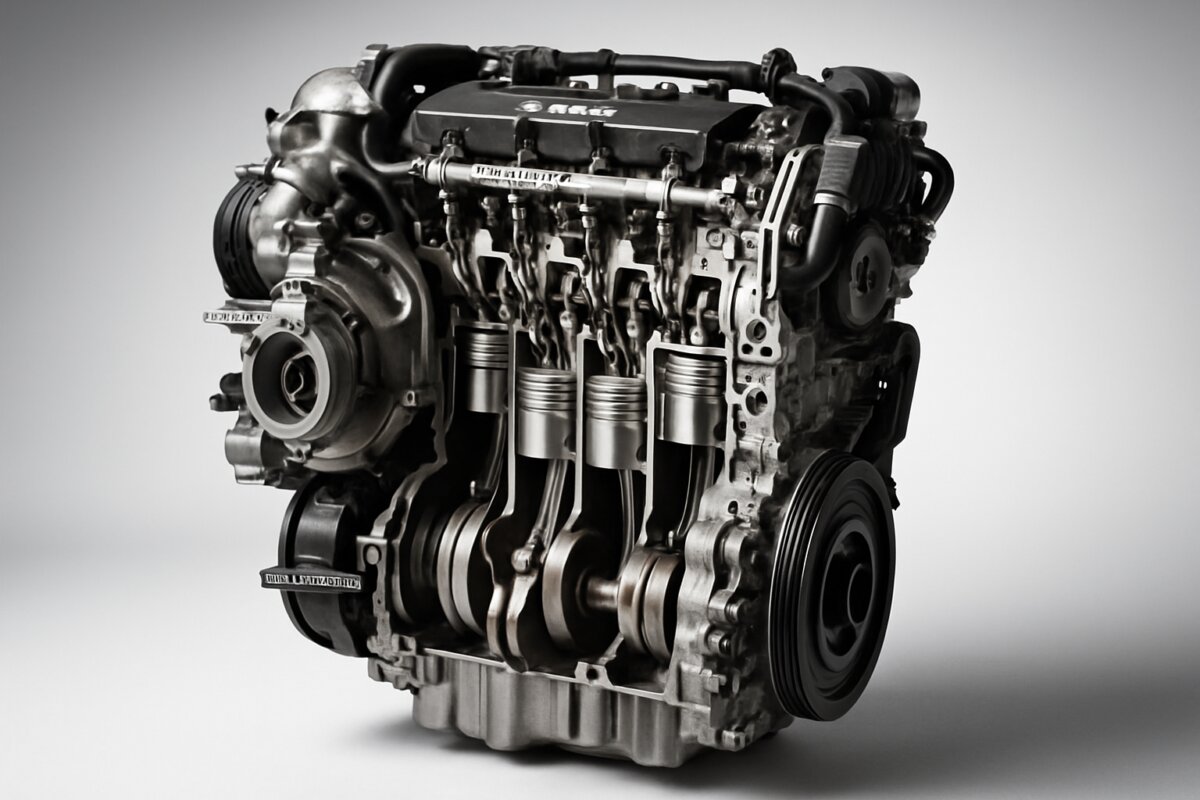
Opel’s CDTi engine designation stands as a cornerstone in the German manufacturer’s diesel lineup, representing “Common rail Diesel Turbo injection” technology. These powerplants have dominated Opel’s mid-size and compact vehicle segments for over two decades, delivering impressive fuel economy whilst maintaining robust performance credentials. The CDTi range spans from 1.3-litre to 2.0-litre configurations, producing between 75 to 195 horsepower with torque figures reaching up to 400 Nm in flagship variants.
Comparison table of all engines
| Engine | Power Output | Torque | Fuel Consumption | Reliability |
|---|---|---|---|---|
| 1.3 CDTi | 75-95 HP | 190-200 Nm | 4.2-4.8 L/100km | Good |
| 1.6 CDTi | 110-136 HP | 260-320 Nm | 4.0-4.6 L/100km | Very Good |
| 1.9 CDTi | 120-150 HP | 280-320 Nm | 5.2-5.8 L/100km | Excellent |
| 2.0 CDTi | 160-195 HP | 350-400 Nm | 5.0-5.6 L/100km | Good |
1.3 CDTi overview
The 1.3 CDTi represents Opel’s entry-level diesel offering, featuring a compact inline-4 configuration with 1248cc displacement. This turbocharged unit utilises common rail injection technology with a single variable geometry turbocharger. The engine employs a sophisticated fuel pump system operating at pressures up to 1600 bar, ensuring precise fuel delivery across all operating conditions.
Pros
- Outstanding fuel economy reaching 4.2 L/100km in optimal conditions
- Lightweight construction reducing overall vehicle weight
- Low emissions compliance with Euro 5 standards
- Affordable maintenance costs with readily available components
- Smooth operation with minimal vibration levels
Cons
- Limited power output may feel underpowered in larger vehicles
- Turbocharger lag noticeable during initial acceleration
- Higher noise levels compared to larger displacement alternatives
- Potential particulate filter issues with frequent short journeys
1.6 CDTi overview
The 1.6 CDTi strikes an excellent balance between performance and efficiency, featuring a 1598cc inline-4 configuration. This turbocharged powerplant incorporates advanced common rail technology with multi-stage injection capability. The engine utilises a sophisticated turbocharger system with variable geometry vanes, optimising performance across the entire rev range whilst maintaining exceptional fuel economy figures.
Pros
- Excellent power-to-weight ratio suitable for most driving scenarios
- Impressive torque delivery from low engine speeds
- Proven reliability record with minimal known issues
- Wide availability of replacement parts and service expertise
- Strong resale value retention in the used market
Cons
- Timing chain tensioner issues reported in higher mileage examples
- Carbon build-up concerns with EGR valve systems
- Higher purchase price compared to 1.3 CDTi variants
- More complex servicing requirements increasing labour costs
1.9 CDTi overview
The venerable 1.9 CDTi represents Opel’s most reliable diesel engine, featuring a robust 1910cc inline-4 design. This naturally aspirated unit later received turbocharging in higher output versions, utilising proven common rail injection technology. The engine’s cast-iron construction ensures exceptional durability, whilst the sophisticated injector system delivers precise fuel metering under all operating conditions.
> **Tip from AutoPartsPro mechanics:** The 1.9 CDTi timing belt should be replaced every 100,000 miles along with the water pump to prevent catastrophic engine damage. Always use genuine Opel parts for optimal longevity.
Pros
- Legendary reliability with engines regularly exceeding 300,000 miles
- Robust construction with minimal known weaknesses
- Excellent torque characteristics ideal for towing applications
- Relatively simple design facilitating easier maintenance
- Strong aftermarket support with performance tuning options
Cons
- Higher fuel consumption compared to smaller displacement alternatives
- Increased weight affecting vehicle handling characteristics
- More expensive servicing due to larger oil capacity requirements
- Potential glow plug failures in cold weather conditions
2.0 CDTi overview
The flagship 2.0 CDTi delivers maximum performance within Opel’s diesel range, featuring a sophisticated 1956cc inline-4 configuration. This turbocharged unit incorporates advanced common rail technology with piezo injectors, delivering exceptional power output whilst maintaining reasonable fuel economy. The engine utilises a twin-scroll turbocharger design with intercooling, ensuring optimal performance across all driving conditions.
Pros
- Impressive power delivery suitable for performance-oriented driving
- Advanced technology including variable valve timing systems
- Strong mid-range torque ideal for overtaking manoeuvres
- Refined operation with minimal noise intrusion
- Excellent towing capacity for larger trailers
Cons
- Complex engine design increasing potential failure points
- Higher maintenance costs due to advanced technology requirements
- Potential issues with high pressure fuel pump components
- Increased insurance premiums due to higher performance classification
Maintenance cost
| Engine | Recommended Interval | Estimated Cost | Cost per 10,000 miles |
|---|---|---|---|
| 1.3 CDTi | 15,000 miles | £180-220 | £120-147 |
| 1.6 CDTi | 20,000 miles | £220-280 | £110-140 |
| 1.9 CDTi | 12,000 miles | £200-250 | £167-208 |
| 2.0 CDTi | 18,000 miles | £280-350 | £156-194 |
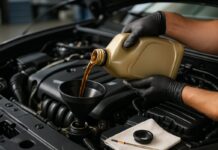
Regular maintenance proves crucial for CDTi engine longevity, with engine oil quality being particularly important due to high-pressure injection systems. Specialist diesel oils meeting ACEA C3 specifications ensure optimal lubrication whilst protecting sensitive emission control components.
Engine sound and character
CDTi engines exhibit distinct acoustic characteristics that vary significantly across the displacement range. The 1.3 CDTi produces a typical diesel clatter at idle, becoming notably quieter under acceleration. Larger displacement variants demonstrate progressively more refined operation, with the 2.0 CDTi offering near-petrol levels of refinement thanks to advanced noise insulation and precision engineering.
Turbocharger whistle becomes more pronounced in higher output variants, particularly noticeable during acceleration phases. The characteristic diesel knock remains audible across all CDTi variants, though modern sound deadening materials significantly reduce cabin intrusion compared to earlier generations.
> **Professional insight:** Our technicians observe that CDTi engines benefit tremendously from quality fuel filters and regular fuel system cleaning to maintain optimal injection pressure and prevent premature component wear.
Who each engine is best for
| Engine | Best For | Driving Style | Annual Mileage |
|---|---|---|---|
| 1.3 CDTi | Urban commuters | City driving, light loads | 8,000-15,000 miles |
| 1.6 CDTi | Balanced users | Mixed driving conditions | 12,000-20,000 miles |
| 1.9 CDTi | High-mileage drivers | Motorway cruising, reliability focus | 20,000+ miles |
| 2.0 CDTi | Performance enthusiasts | Spirited driving, towing | 15,000-25,000 miles |
The optimal CDTi variant depends heavily on individual driving patterns and requirements. Fleet operators typically favour the 1.6 CDTi for its excellent balance of performance and running costs, whilst private buyers often gravitate towards either the economical 1.3 CDTi or the robust 1.9 CDTi depending on their specific needs.
Consider your typical journey length when selecting a CDTi engine, as diesel particulate filter regeneration requires regular motorway driving to function correctly. Short urban trips may cause premature filter clogging, leading to expensive repairs and reduced performance.
Frequently asked questions (FAQ)
What does CDTi stand for in Opel engines?
CDTi stands for Common rail Diesel Turbo injection, representing Opel’s advanced diesel engine technology with high-pressure fuel injection systems and turbocharging for improved performance and efficiency.
Which CDTi engine offers the best fuel economy?
The 1.3 CDTi provides the best fuel economy, achieving as low as 4.2 L/100km under optimal conditions, making it ideal for budget-conscious drivers prioritising running costs.
Are CDTi engines reliable for high-mileage driving?
Yes, particularly the 1.9 CDTi which regularly achieves over 300,000 miles with proper maintenance. The robust construction and proven technology ensure excellent long-term reliability for high-mileage applications.
How often should CDTi engines be serviced?
Service intervals vary from 12,000 to 20,000 miles depending on the specific CDTi variant. Regular oil changes with quality diesel-specific oil and oil filter replacement ensure optimal longevity.
Can CDTi engines be tuned for more power?
Yes, CDTi engines respond well to professional tuning, with potential power increases of 20-30% possible through ECU remapping whilst maintaining reliability when performed by experienced specialists.

 Loading...