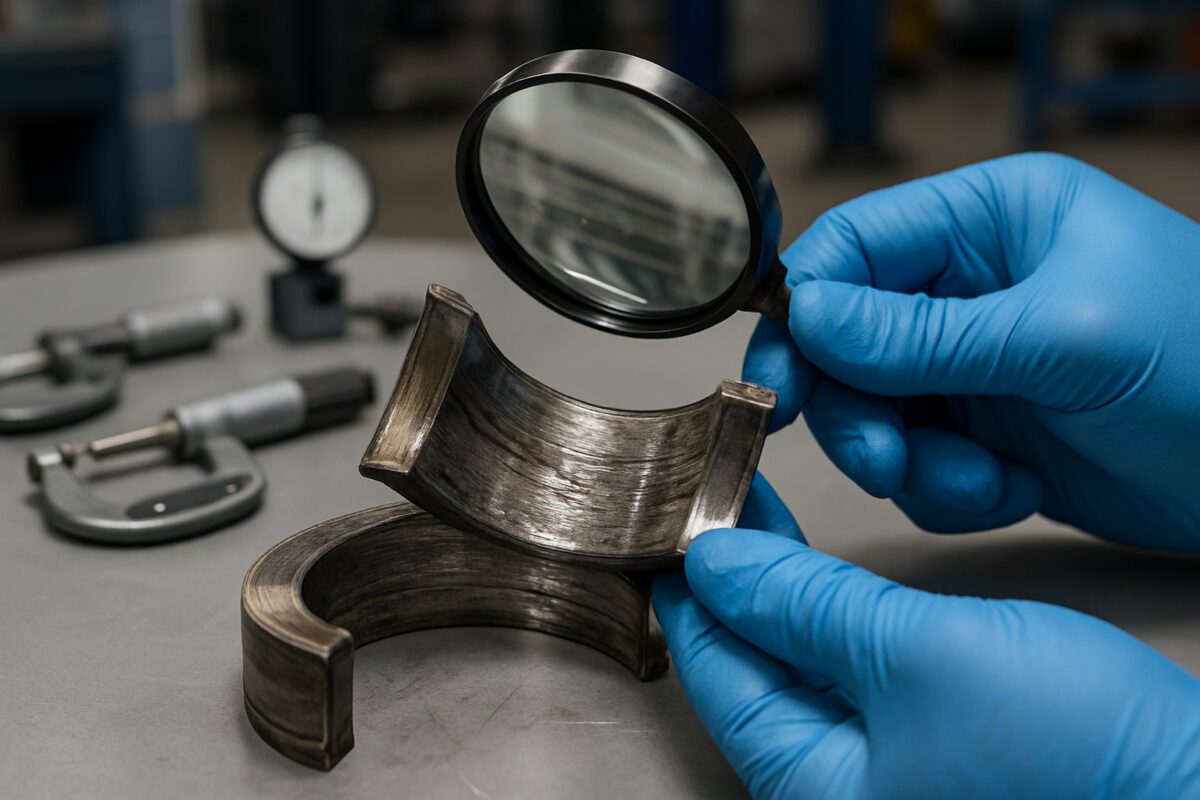
Thrust bearing noise often signals a critical engine problem that requires immediate attention. These specialised bearings control crankshaft axial movement and prevent engine damage during operation. When they fail, the distinctive grinding or knocking sounds can indicate expensive engine repairs ahead.
Engine performance issues from worn thrust bearings
A failing thrust bearing creates several performance problems that affect your vehicle’s drivability. The most noticeable symptom is unusual engine noise during acceleration or deceleration. This occurs because worn bearings allow excessive crankshaft movement, causing metal-to-metal contact.
Engine vibrations become more pronounced as the bearing deteriorates. The crankshaft’s inability to maintain proper positioning creates imbalanced rotation, transmitting vibrations through the entire drivetrain. These vibrations are particularly evident at idle and low RPMs.
Oil pressure fluctuations often accompany thrust bearing failure. The increased clearances allow oil to bypass critical lubrication points, reducing overall system pressure. This secondary effect can damage other engine components if left unaddressed.
“From our experience at Autopartspro, thrust bearing problems typically develop gradually but accelerate rapidly once wear patterns establish themselves.”
Power loss and rough idle conditions frequently develop as bearing wear progresses. The unstable crankshaft position affects combustion timing and efficiency, reducing overall engine output.
Clutch-related symptoms indicating bearing failure
Thrust bearing problems often manifest through clutch operation issues, particularly during engagement and disengagement cycles. A worn bearing allows excessive crankshaft end play, affecting the clutch kit components’ alignment.
Grinding noises when operating the clutch pedal indicate potential thrust bearing wear. The sound typically occurs during clutch engagement rather than disengagement, distinguishing it from release bearing problems. This noise results from increased friction between bearing surfaces.
Difficulty selecting gears, especially first and reverse, often accompanies thrust bearing deterioration. The unstable crankshaft position affects input shaft alignment, making gear selection challenging. This problem becomes more pronounced as bearing wear increases.
Clutch drag symptoms can develop when thrust bearings fail completely. The crankshaft’s excessive movement prevents proper clutch disc separation, causing the vehicle to creep forward even with the pedal fully depressed.
Premature clutch disc wear frequently results from thrust bearing problems. The misalignment created by bearing failure causes uneven pressure distribution across the clutch surface, accelerating wear patterns and reducing component lifespan.
Oil-related warning signs of bearing deterioration
Oil contamination provides clear evidence of thrust bearing failure, as metal particles from worn surfaces circulate throughout the lubrication system. Regular oil analysis can detect these particles before catastrophic failure occurs.
Metallic debris in the oil pan indicates advanced bearing wear. These particles range from fine dust to larger flakes, depending on the failure stage. The debris concentration helps determine repair urgency and scope.
Unusual oil consumption patterns often develop as bearing clearances increase. The enlarged gaps allow oil to bypass sealing surfaces, increasing consumption rates. This symptom typically accompanies other bearing failure indicators.
Oil pressure warning lights may illuminate intermittently as bearing wear progresses. The increased clearances reduce system pressure, triggering warning systems during specific operating conditions like idle or low RPM.
“Our mechanics recommend immediate oil analysis when customers report unusual engine noises, as it provides early warning of bearing problems before complete failure occurs.”
Foam formation in the engine oil can indicate thrust bearing problems. The excessive crankshaft movement creates air entrainment, reducing oil’s lubricating properties and accelerating wear throughout the engine.
Warning signs your car has a problem
Recognising thrust bearing failure symptoms early prevents extensive engine damage and reduces repair costs. Multiple warning signs typically appear simultaneously, providing clear indication of bearing problems.
- Grinding or knocking noises during engine operation
- Excessive engine vibrations at idle
- Clutch operation difficulties and grinding sounds
- Oil pressure fluctuations or warning lights
- Metallic debris in engine oil
- Unusual oil consumption patterns
- Power loss and rough idle conditions
- Difficulty selecting gears, especially first and reverse
- Premature clutch disc wear
These symptoms often develop progressively, starting with minor noises and advancing to significant mechanical problems. Early intervention prevents secondary damage to related components.
How to fix the problems
Thrust bearing replacement requires complete engine disassembly in most cases, making it one of the most complex automotive repairs. Professional diagnosis confirms bearing failure before beginning repair procedures.
| Repair Method | Complexity | Typical Cost Range | Time Required |
|---|---|---|---|
| Complete engine rebuild | High | £2,500-5,000 | 5-10 days |
| Crankshaft removal/replacement | High | £1,500-3,000 | 3-7 days |
| Thrust bearing replacement only | Medium | £800-1,500 | 2-4 days |
| Engine replacement | Medium | £3,000-8,000 | 2-5 days |
The repair process begins with complete engine removal or major disassembly to access the thrust bearings. This involves removing the transmission, oil sump, and various engine components.
Crankshaft inspection determines whether machining or replacement is necessary. Worn journal surfaces require professional machining to restore proper dimensions and surface finish for new bearing installation.
- Remove engine or perform major disassembly
- Extract crankshaft and inspect journal surfaces
- Machine crankshaft journals if necessary
- Install new thrust bearings with proper clearances
- Reassemble engine with new gaskets and seals
- Perform oil pressure tests before final assembly
- Complete system testing and break-in procedures
Quality replacement bearings are essential for long-term reliability. OEM or equivalent specifications ensure proper fit and performance in the repaired engine.
When to see a mechanic
Immediate professional attention is required when thrust bearing failure symptoms appear, as continued operation can cause catastrophic engine damage. The complex nature of this repair demands experienced technicians and specialised equipment.
Engine noises that persist or worsen during operation indicate urgent mechanical problems requiring professional diagnosis. Attempting to continue driving risks complete engine failure and significantly higher repair costs.
Professional diagnostics can differentiate thrust bearing problems from other mechanical issues with similar symptoms. Proper diagnosis prevents unnecessary repairs and ensures the correct repair approach.
| Symptom Severity | Action Required | Driving Safety | Repair Urgency |
|---|---|---|---|
| Minor intermittent noises | Schedule inspection | Caution advised | Within 1-2 weeks |
| Consistent grinding sounds | Stop driving immediately | Unsafe to drive | Immediate |
| Clutch operation problems | Seek professional diagnosis | Limited driving only | Within days |
| Oil pressure warnings | Stop engine immediately | Do not drive | Emergency repair |
Experienced workshops have the tools and expertise necessary for complex bearing replacements. This includes precision measuring equipment, torque specifications, and proper assembly procedures.
Frequently asked questions
What causes thrust bearing failure in engines?
Oil starvation, excessive clutch use, manufacturing defects, and normal wear over high mileage typically cause thrust bearing failure in automotive engines.
Can you drive with a worn thrust bearing?
Driving with worn thrust bearings risks complete engine failure, as continued operation can damage the crankshaft and require expensive engine rebuilding.
How much does thrust bearing replacement cost?
Thrust bearing replacement costs between £800-5,000 depending on engine damage extent, labour rates, and whether additional machining or rebuilding is required.
What noise does a bad thrust bearing make?
Failed thrust bearings create grinding, knocking, or metallic scraping noises, particularly during acceleration, deceleration, and clutch operation in manual transmission vehicles.
How long do thrust bearings typically last?
Quality thrust bearings usually last 100,000-200,000 miles under normal conditions, though aggressive driving, poor maintenance, and oil contamination reduce their lifespan significantly.
Final recommendation
Thrust bearing problems require immediate professional attention to prevent catastrophic engine damage. The complex repair process and high costs make early detection crucial for minimising expenses. Regular maintenance, including frequent oil filter replacement and quality lubricants, helps prevent premature bearing failure. Our mechanics at Autopartspro recommend avoiding aggressive clutch operation and maintaining proper oil levels to maximise thrust bearing lifespan.
When symptoms appear, discontinue driving and seek professional diagnosis immediately. The investment in proper repair prevents secondary damage to expensive components like the crankshaft and engine block. Quality replacement parts and experienced installation ensure reliable long-term performance. For related repairs, consider upgrading to premium car battery systems and maintaining optimal fluid levels throughout the powertrain.

 Loading...