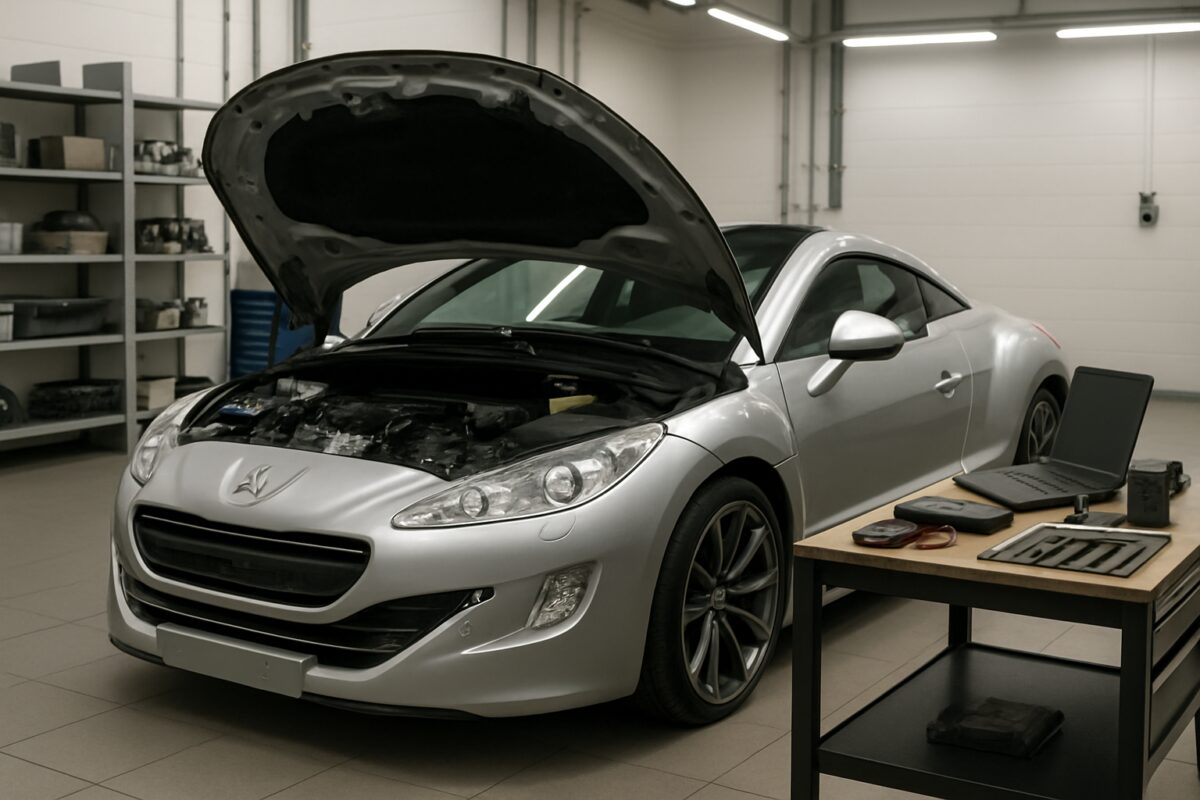
The Peugeot RCZ is a distinctive sports coupé that captured attention with its striking design and premium ambitions. However, like many vehicles, it has developed a reputation for certain reliability issues. Understanding these common problems with the Peugeot RCZ can help current owners maintain their cars effectively and potential buyers make informed decisions about this French sports car.
Engine cooling system failures
One of the most persistent issues affecting the Peugeot RCZ involves the cooling system, particularly in models equipped with the 1.6 THP turbocharged petrol engine. The water pump frequently fails prematurely, often between 40,000 to 60,000 miles. This component is crucial for circulating coolant through the engine block and maintaining optimal operating temperatures.
The symptoms of cooling system problems include overheating warnings on the dashboard, coolant leaks beneath the vehicle, and unusual engine noises. If left unaddressed, these issues can lead to catastrophic engine damage. The radiator thermostat also tends to stick, causing erratic temperature readings and potential overheating scenarios.
Many RCZ owners report that the cooling fan fails to operate correctly, particularly in stop-start traffic conditions. This problem compounds when the expansion tank develops hairline cracks, leading to gradual coolant loss and air entering the system.
“Regular cooling system inspections every 20,000 miles can prevent costly engine damage. Always check coolant levels when the engine is cold and look for signs of leakage around the water pump housing,” advise Autopartspro’s technical specialists.
Turbocharger and engine problems
The 1.6 THP engine, while providing impressive performance figures, suffers from several well-documented issues. Carbon build-up on intake valves is particularly problematic, reducing engine efficiency and causing rough idling. This occurs because direct injection engines don’t benefit from fuel washing over the valves, allowing deposits to accumulate over time.
Timing chain stretch becomes apparent around 80,000 to 100,000 miles, manifesting as a rattling noise during cold starts. This issue can progress to complete timing chain failure if ignored, resulting in expensive engine rebuilds. The turbocharger itself experiences premature wear, particularly the wastegate actuator and internal seals.
Oil consumption tends to increase significantly after 60,000 miles, with some owners reporting consumption rates exceeding 1 litre per 1,000 miles. This excessive consumption stems from worn piston rings and valve stem seals. The high-pressure fuel pump also shows tendency towards failure, causing rough running and poor fuel economy.
Electrical system malfunctions
The Peugeot RCZ’s complex electrical architecture proves troublesome for many owners. The body control module frequently develops faults, affecting various systems including central locking, electric windows, and interior lighting. These problems often manifest intermittently, making diagnosis challenging for technicians.
Dashboard warning lights illuminate without apparent cause, particularly the engine management light and ABS warning. The electric power steering system occasionally fails completely, requiring expensive replacement of the steering column assembly. Window regulators fail regularly, leaving windows stuck in the down position.
The sophisticated infotainment system suffers from software glitches and hardware failures. Bluetooth connectivity becomes unreliable, and the touchscreen may become unresponsive. Many owners experience problems with the battery draining overnight, often traced to faulty control modules that fail to enter sleep mode.
“Modern automotive electrical systems require regular diagnostic scans to identify developing faults before they cause complete system failures. Prevention is always more cost-effective than emergency repairs,” note Autopartspro’s electrical specialists.
Suspension and brake complications
The RCZ’s sport-tuned suspension delivers excellent handling characteristics but proves expensive to maintain. Front shock absorbers wear prematurely, particularly on models fitted with larger alloy wheels. The electronic dampers in higher specification models are particularly costly to replace when they fail.
Rear suspension bushes deteriorate rapidly, causing knocking noises over bumps and affecting wheel alignment. The anti-roll bar links require frequent replacement, typically every 30,000 to 40,000 miles. Wheel bearings also show reduced longevity compared to conventional family cars, likely due to the increased loads from performance driving.
Brake system problems centre around premature brake pad wear and warped discs. The performance-oriented braking system generates significant heat, leading to accelerated component degradation. Brake fluid requires more frequent changes than standard vehicles due to the high operating temperatures.
Warning signs your car has a problem
Recognising early warning signs can prevent minor issues from developing into major failures. Key symptoms to monitor include:
- Dashboard warning lights that illuminate intermittently or permanently
- Unusual noises during engine startup, particularly rattling or grinding sounds
- Coolant level dropping without visible leaks
- Electrical components operating erratically or failing completely
- Excessive oil consumption between service intervals
- Steering becoming heavy or completely unresponsive
- Brake pedal feeling spongy or requiring increased pressure
- Suspension noises over bumps or during cornering
- Engine overheating in traffic or during spirited driving
- Turbocharger whistle changing pitch or disappearing entirely
- Windows moving slowly or becoming stuck
- Central locking operating inconsistently
- Battery requiring frequent charging or replacement
- Engine running roughly at idle or under acceleration
- Fuel economy deteriorating significantly without explanation
How to fix the problems
| Problem Area | Solution | Approximate Cost | Prevention Method |
|---|---|---|---|
| Water pump failure | Complete replacement with timing belt | £400-600 | Regular coolant changes every 3 years |
| Turbocharger wear | Reconditioning or replacement | £800-1500 | Quality oil changes every 10,000 miles |
| Timing chain stretch | Chain and tensioner replacement | £1000-1500 | Regular oil changes with correct specification |
| Electrical faults | Module replacement or reprogramming | £200-800 | Battery maintenance and software updates |
| Suspension wear | Component replacement as required | £150-400 per corner | Avoid potholes and harsh driving |
| Service Item | Frequency | Importance | Cost Range |
|---|---|---|---|
| Engine oil change | Every 10,000 miles | Critical | £80-120 |
| Coolant system service | Every 3 years | High | £100-150 |
| Brake fluid replacement | Every 2 years | High | £60-90 |
| Diagnostic scan | Every 12 months | Medium | £50-80 |
When to see a mechanic
Certain symptoms require immediate professional attention to prevent catastrophic damage. Schedule an urgent workshop visit if you experience complete loss of power steering, engine overheating warnings, or any grinding noises from the brakes. These conditions pose safety risks and can lead to expensive repairs if ignored.
Intermittent electrical faults benefit from diagnostic equipment that most home mechanics lack. Professional technicians can access manufacturer-specific fault codes and perform complex system resets. Similarly, timing chain issues require specialist tools and expertise to diagnose accurately.
For routine maintenance like oil changes and basic component replacements, many tasks can be completed at home with appropriate tools and knowledge. However, warranty considerations and complex systems often make professional servicing the sensible choice for RCZ owners.
Frequently Asked Questions (FAQ)
What is the most common problem with Peugeot RCZ?
Water pump failure affects most RCZ models, typically occurring between 40,000-60,000 miles and requiring immediate attention to prevent engine damage.
How reliable is the RCZ turbo engine?
The 1.6 THP engine provides good performance but requires meticulous maintenance, particularly regular oil changes and cooling system servicing.
Why does my RCZ consume excessive oil?
High oil consumption typically results from worn piston rings or valve stem seals, common after 60,000 miles of use.
Are RCZ electrical problems expensive to fix?
Electrical repairs vary from £200 for simple module resets to £800 for major component replacements, depending on the affected system.
When should I replace the timing chain?
Timing chain replacement becomes necessary around 80,000-100,000 miles, particularly if rattling noises develop during cold engine starts.
Final recommendation
The Peugeot RCZ remains an attractive proposition for enthusiasts seeking distinctive styling and engaging driving dynamics. However, potential buyers should budget carefully for maintenance costs, particularly cooling system components and electrical repairs. Current owners benefit from proactive maintenance schedules and regular diagnostic checks to identify developing problems early.
Despite its reliability challenges, the RCZ offers a unique driving experience that many owners find worthwhile. Success with RCZ ownership depends largely on finding specialists familiar with the model’s characteristics and maintaining comprehensive service records. For those prepared to invest in proper maintenance, the RCZ can provide years of enjoyable motoring, though running costs will exceed those of conventional family cars.
Consider the used car buying process carefully if purchasing an RCZ, ensuring all known issues have been addressed and documentation exists for major component replacements. With proper care and attention, these distinctive French sports cars can deliver the performance and style they promise.

 Loading...