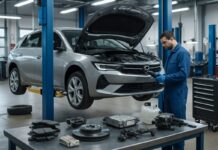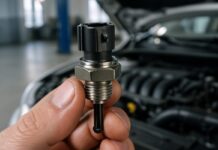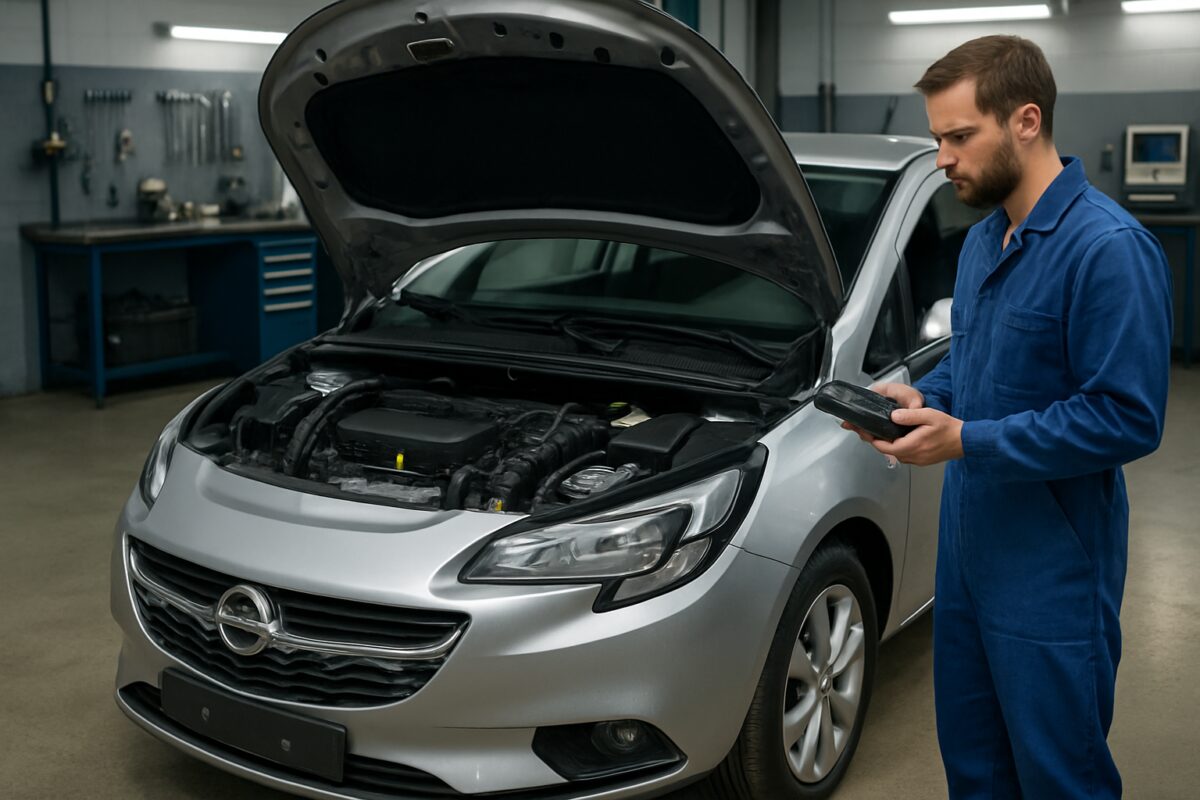
The Opel Corsa remains one of Britain’s most popular small cars, but like any vehicle, it can develop certain issues over time. Understanding common problems with the Opel Corsa helps owners identify faults early and maintain their vehicles properly. From electrical gremlins to mechanical wear, we’ll explore the most frequent concerns affecting Corsa models across different generations.
Electrical system malfunctions
Electrical problems plague many Opel Corsa models, particularly those manufactured between 2006 and 2014. The central locking system frequently fails, leaving drivers unable to secure their vehicles properly. Door locks may operate intermittently or stop working entirely.
Window mechanisms also cause headaches for Corsa owners. Electric windows often stick halfway or refuse to operate, especially during cold weather. The problem typically stems from worn window regulators or faulty motors.
Dashboard warning lights illuminate without clear cause, creating confusion about actual vehicle condition. The engine management light commonly appears due to sensor malfunctions rather than serious engine problems. Our Autopartspro mechanics frequently encounter these phantom warnings during diagnostics.
Power steering systems in older Corsas develop electrical faults that make steering heavy and unpredictable. The power steering pump may fail completely, requiring immediate attention for safe driving.
Gearbox and transmission issues
Manual gearboxes in Opel Corsas, especially the F40 unit found in newer models, develop several characteristic problems. Gear selection becomes difficult, with drivers struggling to engage second and third gears smoothly.
Clutch problems affect many Corsa variants, particularly high-mileage vehicles. The clutch pedal may feel spongy or stick to the floor, indicating wear in the clutch master cylinder or slave cylinder systems.
Automatic transmission variants suffer from jerky gear changes and delayed engagement. The Easytronic automated manual gearbox proves particularly troublesome, with many owners experiencing complete transmission failure.
Professional tip: Regular gearbox oil changes extend transmission life significantly. Check fluid levels every 12 months to prevent costly repairs.
Synchromesh wear causes grinding noises during gear changes, particularly when shifting into reverse. This problem affects older Corsas with higher mileage more frequently.
Engine performance problems
The 1.4-litre petrol engine common in many Corsas develops timing chain issues that create rattling noises on startup. Chain stretch occurs gradually, eventually affecting engine timing and performance.
Carbon build-up in direct injection engines reduces power output and increases fuel consumption. The problem particularly affects vehicles used primarily for short journeys where engines don’t reach optimal operating temperatures.
Cooling system failures cause overheating in Corsa engines. The radiator thermostat commonly sticks closed, preventing proper coolant circulation and potentially causing serious engine damage.
Oil consumption increases in high-mileage Corsas due to worn piston rings and valve stem seals. Owners notice blue smoke from exhaust pipes and frequent oil top-ups between services.
Suspension and steering concerns
Front suspension components wear prematurely in Opel Corsas, creating noises over bumps and affecting handling. Shock absorbers and struts require replacement more frequently than expected.
Steering rack problems manifest as heavy steering and fluid leaks beneath the vehicle. The power steering system loses pressure, making parking manoeuvres particularly difficult.
Ball joints and track rod ends wear quickly due to Britain’s potholed roads. Worn components create knocking sounds and affect wheel alignment, leading to uneven tyre wear.
Expert advice: Have suspension components inspected annually to catch wear before it affects safety or causes expensive secondary damage.
Rear suspension bushes deteriorate, causing the rear of the vehicle to feel unstable during cornering. Replacement requires specialised tools but significantly improves handling characteristics.
Brake system failures
Brake problems affect many Corsa models, ranging from minor squealing to complete system failure. Rear brake calipers seize frequently, particularly on vehicles exposed to salt during winter months.
Front brake rotors develop premature wear and warping, causing vibration through the steering wheel during braking. The problem often results from poor-quality replacement parts or aggressive driving styles.
Brake fluid contamination occurs due to moisture absorption over time. Old fluid reduces braking efficiency and can damage internal brake components, requiring expensive system overhauls.
Electronic parking brake systems in newer Corsas malfunction frequently. The actuator motor fails, preventing proper brake engagement or release, creating safety concerns for drivers.
Warning signs your car has a problem
Recognising early warning signs prevents minor issues becoming major repairs. Watch for these common indicators:
- Dashboard warning lights appearing intermittently or permanently
- Unusual noises from engine, gearbox, or suspension components
- Changes in steering feel or vehicle handling characteristics
- Increased fuel consumption without obvious cause
- Electrical accessories operating erratically or failing completely
Pay attention to how your Corsa feels during normal driving. Vibrations, grinding noises, or changes in performance often indicate developing problems requiring investigation.
- Difficulty engaging gears or unusual gearbox noises
- Brake pedal feel changes or increased stopping distances
- Engine hesitation or rough idle conditions
- Excessive exhaust smoke or unusual emissions
- Cooling system overheating or temperature gauge fluctuations
How to fix the problems
| Problem Category | Common Solutions | Estimated Cost Range | DIY Difficulty |
|---|---|---|---|
| Electrical Issues | Component replacement, wiring repair | £50-£400 | Moderate to High |
| Gearbox Problems | Oil change, clutch replacement | £200-£1200 | High |
| Engine Concerns | Timing chain, thermostat replacement | £300-£2000 | High |
| Suspension Issues | Component replacement, alignment | £100-£800 | Moderate |
| Brake Problems | Pad/disc replacement, fluid change | £80-£500 | Low to Moderate |
Many electrical problems require diagnostic equipment to identify root causes accurately. Simple component swapping rarely resolves complex electrical faults affecting modern Corsas.
| Maintenance Item | Recommended Interval | Prevention Benefit | Typical Cost |
|---|---|---|---|
| Engine Oil Change | Every 10,000 miles | Prevents engine wear | £40-£80 |
| Gearbox Oil | Every 40,000 miles | Smooth gear operation | £60-£120 |
| Brake Fluid | Every 2 years | Maintains brake performance | £30-£60 |
| Coolant System | Every 4 years | Prevents overheating | £50-£100 |
- Regular servicing prevents many common Corsa problems
- Quality replacement parts reduce failure rates significantly
- Professional diagnostics save money by identifying actual faults
When to see a mechanic
Certain symptoms require immediate professional attention to prevent safety hazards or expensive damage. Don’t delay seeking help when experiencing brake problems, steering difficulties, or engine overheating.
Electrical faults often need specialist diagnostic equipment that most home mechanics lack. Modern Corsas use complex control modules that require specific tools and software for proper diagnosis.
Transmission problems typically worsen rapidly once symptoms appear. Early professional intervention prevents complete gearbox failure and reduces repair costs significantly.
Engine timing chain issues require immediate attention. Continued driving with chain problems risks catastrophic engine damage costing thousands to repair.
Frequently asked questions (FAQ)
What are the most common problems with Opel Corsa?
Electrical system failures, gearbox issues, timing chain problems, and premature suspension wear affect most Corsa models across different generations.
How reliable is the Opel Corsa compared to competitors?
The Corsa offers average reliability, with newer models performing better than older variants. Regular maintenance significantly improves long-term dependability.
Which Opel Corsa engine is most reliable?
The 1.2-litre naturally aspirated petrol engines prove most dependable, whilst turbocharged variants require more careful maintenance to prevent problems.
How much does Opel Corsa maintenance cost annually?
Annual maintenance typically costs £300-£600, depending on vehicle age, mileage, and any additional repairs required during servicing.
When should I consider replacing my Opel Corsa?
Consider replacement when repair costs exceed the vehicle’s value or when multiple major systems fail simultaneously, indicating end-of-life.
Final recommendation
The Opel Corsa remains a practical choice for UK drivers despite its known problems. Understanding common issues helps owners maintain their vehicles properly and address problems before they become expensive repairs. Regular servicing using quality parts from OEM suppliers prevents many typical Corsa problems.
Our Autopartspro specialists recommend addressing electrical and gearbox issues promptly, as these problems typically worsen with time. Preventive maintenance costs significantly less than major component replacement. Choose quality replacement parts over budget alternatives to ensure reliable long-term performance.
Consider the vehicle’s age and condition when deciding between repairs and replacement. Well-maintained Corsas can provide reliable service for many years, whilst neglected examples may prove costly to restore properly.

 Loading...