The KIA Sportage has become increasingly popular amongst UK drivers for its reliability and value. However, like any vehicle, the Sportage experiences specific issues that owners should be aware of. Understanding these common problems can help you maintain your vehicle properly and avoid costly repairs down the line.
Engine problems and oil consumption issues
One of the most significant concerns with KIA Sportage models, particularly those manufactured between 2011-2016, is excessive oil consumption. The 2.0-litre and 2.4-litre petrol engines are particularly prone to this issue.
The problem typically manifests as rapid oil depletion between service intervals. Drivers often notice the oil warning light appearing despite recent oil changes. This issue stems from faulty piston rings and cylinder bore wear, which allows oil to burn in the combustion chamber.
Our mechanics at Autopartspro have observed that this problem frequently occurs around 60,000-80,000 miles. The excessive oil consumption can lead to engine seizure if not addressed promptly. Regular monitoring of engine oil levels is crucial for affected vehicles.
Additionally, some Sportage models experience timing chain stretch, particularly in diesel variants. This can result in poor engine performance, rattling noises on startup, and potential catastrophic engine failure if the chain jumps timing.
Diesel particulate filter blockages
Diesel Sportage models frequently encounter DPF (Diesel Particulate Filter) problems, especially vehicles used primarily for short urban journeys. The DPF requires regular high-temperature operation to burn off accumulated soot particles.
When the filter becomes blocked, drivers typically notice reduced power, increased fuel consumption, and warning lights on the dashboard. The vehicle may enter “limp mode” to protect the engine from damage.
Our specialists recommend that diesel Sportage owners undertake regular motorway journeys to allow the DPF to complete its regeneration cycle. If blockages persist, professional cleaning or particulate filter replacement may be necessary.
The problem is exacerbated by poor-quality diesel fuel and infrequent servicing. Regular maintenance and quality fuel can significantly reduce DPF issues.
Clutch system failures
Manual transmission Sportage models, particularly those from 2010-2015, experience premature clutch wear. The dual-mass flywheel and clutch assembly often fail before reaching typical mileage expectations.
Symptoms include difficulty engaging gears, clutch slip during acceleration, and unusual vibrations through the pedal. The problem typically occurs between 40,000-70,000 miles, significantly earlier than expected for normal driving conditions.
The issue appears related to the clutch master cylinder and slave cylinder design, which can develop internal leaks. When hydraulic pressure drops, the clutch fails to disengage properly, causing premature wear of friction materials.
Replacement costs can be substantial, as the entire clutch kit and dual-mass flywheel typically require simultaneous replacement. Regular clutch fluid checks can help identify problems early.
Suspension component wear
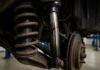
The Sportage’s suspension system shows accelerated wear patterns, particularly in the front suspension components. Anti-roll bar links, suspension bushes, and shock absorbers deteriorate faster than industry standards.
Drivers notice increased road noise, poor handling characteristics, and uneven tyre wear. The vehicle may feel unstable during cornering or produce clunking noises over bumps and potholes.
Front suspension arms and their associated bushings are particularly problematic. The rubber bushes split and allow excessive movement, affecting wheel alignment and steering precision.
Regular inspection of suspension components during routine servicing can identify worn parts before they affect vehicle safety. Replacing worn shock absorbers and bushes improves ride quality and handling.
Warning signs your car has a problem
Recognising early warning signs can prevent minor issues from becoming major repairs. The following symptoms indicate potential problems:
- Dashboard warning lights, particularly engine management or DPF warnings
- Unusual noises during startup, acceleration, or when changing gear
- Excessive oil consumption requiring frequent top-ups
- Poor fuel economy or reduced engine performance
- Steering wheel vibration or pulling to one side
- Clutch pedal feeling spongy or gears difficult to engage
- Smoke from the exhaust, particularly blue or black smoke
- Unusual smells, such as burning oil or clutch material
These symptoms often develop gradually, making them easy to ignore initially. However, prompt attention can save significant repair costs.
How to fix the problems
Different problems require specific approaches and varying levels of expertise:
| Problem | DIY Possible | Professional Required | Estimated Cost |
|---|---|---|---|
| Oil consumption | Monitoring only | Engine rebuild | £2,000-£4,500 |
| DPF blockage | Preventive driving | Professional cleaning | £200-£800 |
| Clutch failure | No | Complete replacement | £800-£1,500 |
| Suspension wear | Basic inspection | Component replacement | £150-£600 |
“Regular maintenance is your best defence against expensive repairs. We recommend checking oil levels monthly and addressing warning signs immediately,” advises our senior technician.
For DPF issues, regular motorway driving can help prevent blockages. However, once blocked, professional intervention is usually necessary.
| Maintenance Task | Frequency | Importance |
|---|---|---|
| Oil level check | Monthly | Critical |
| DPF regeneration drive | Weekly (diesel) | High |
| Suspension inspection | Every service | Medium |
| Clutch operation check | Every 6 months | Medium |
When to see a mechanic
Certain symptoms require immediate professional attention to prevent further damage or safety risks. Contact a qualified technician immediately if you experience engine knocking sounds, complete loss of power, or warning lights accompanied by unusual noises.
For routine maintenance and preventive care, schedule regular inspections every 6 months or according to manufacturer recommendations. Professional diagnostics can identify problems before they become costly failures.
“Don’t ignore warning signs. Early intervention typically costs a fraction of emergency repairs,” emphasises our workshop manager.
If you’re experiencing multiple symptoms simultaneously, comprehensive diagnostics can identify root causes and prevent unnecessary repairs. Modern diagnostic equipment can pinpoint issues that visual inspection might miss.
Frequently Asked Questions (FAQ)
How often should I check oil levels in my Sportage?
Check oil levels monthly, especially in models known for consumption issues. Weekly checks are advisable for high-mileage vehicles.
Can I drive with DPF warning lights on?
Limited driving is possible, but avoid short journeys. Undertake a 20-minute motorway drive to initiate regeneration immediately.
What causes premature clutch wear in Sportage models?
Design issues with hydraulic components and dual-mass flywheel contribute to accelerated wear patterns in affected models.
How can I prevent suspension problems?
Avoid potholes when possible, maintain correct tyre pressures, and replace worn components promptly to prevent cascading failures.
Are these problems covered under warranty?
Some issues may be covered, particularly oil consumption problems. Check with KIA regarding extended warranty coverage for known issues.
Final recommendation
Despite these common issues, the KIA Sportage remains a reliable vehicle when properly maintained. Understanding potential problems allows owners to take preventive action and budget for necessary repairs.
Regular servicing, quality parts replacement, and prompt attention to warning signs significantly improve reliability. For more detailed guidance on maintenance procedures, consult our comprehensive maintenance guide.
When problems do occur, using quality replacement parts from reputable suppliers ensures long-term reliability. Our experience suggests that addressing issues early typically results in lower overall ownership costs and improved vehicle longevity.

 Loading...