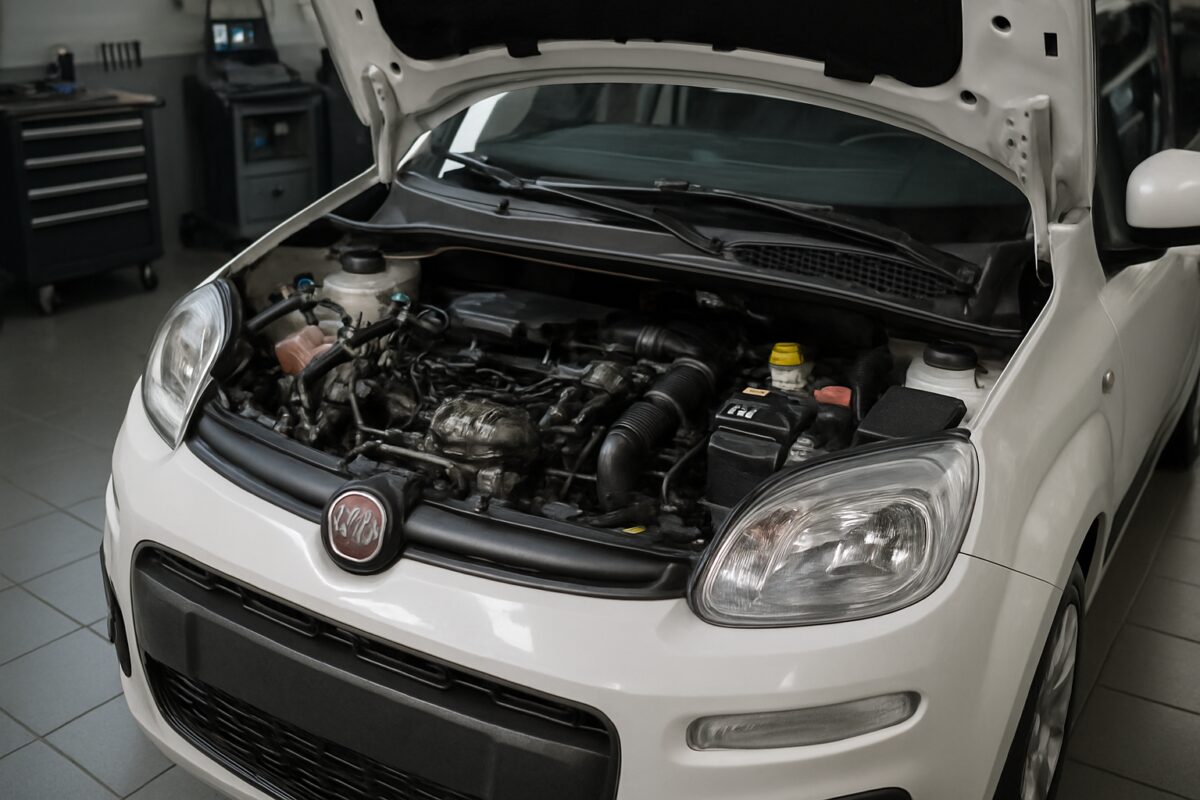
The Fiat Panda has charmed British drivers for decades with its compact size and urban agility. However, like any vehicle, this Italian city car faces specific mechanical challenges that owners should understand. From electrical gremlins to clutch complications, knowing these common problems can save you time, money, and unexpected breakdowns.
Clutch system failures
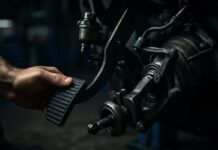
The Fiat Panda’s clutch system represents one of the most frequent sources of trouble for owners. The lightweight design places considerable stress on clutch components, particularly in stop-start urban driving conditions.
Clutch cable stretch affects early Panda models, causing imprecise gear selection and gradual loss of clutch engagement. The cable mechanism requires regular adjustment, typically every 12,000 miles. Signs include a high bite point, difficulty engaging first gear from neutral, and occasional grinding noises during gear changes.
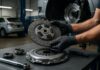
The clutch plate itself suffers from premature wear due to the engine’s torque characteristics. Drivers often notice slipping during acceleration, particularly when climbing hills or carrying passengers. The friction material deteriorates rapidly if the clutch is frequently slipped or if the driver rides the pedal.
Master and slave cylinder failures plague hydraulic clutch systems in newer Pandas. Internal seals degrade, causing fluid leaks and spongy pedal feel. Complete system failure can leave drivers stranded, unable to disengage the clutch for gear changes.
Electrical system malfunctions
Electrical problems in the Fiat Panda stem from cost-cutting measures and challenging operating environments. The compact engine bay creates heat stress on wiring looms, whilst British weather conditions accelerate corrosion.
Window mechanism failures occur frequently, particularly in the rear doors. Electric window motors burn out due to increased resistance from worn window channels and damaged seals. Manual override becomes impossible when the motor jams, trapping occupants or exposing the interior to weather.
The central locking system experiences random malfunctions, with door actuators failing intermittently. Remote key fobs lose synchronisation with the vehicle’s receiver unit, requiring professional reprogramming. These issues often worsen during cold weather when battery voltage drops.
Alternator problems manifest as dim headlamps, weak starting, and dashboard warning lights. The charging system struggles to maintain battery voltage during high electrical demands, particularly with air conditioning and heated rear screen operating simultaneously.
Engine cooling system issues
The Panda’s compact design creates cooling challenges that manifest in several critical areas. Radiator blockages occur due to restricted airflow and accumulated debris, particularly in urban environments where low-speed driving reduces natural cooling.
Water pump bearing failures typically announce themselves through grinding noises and coolant leaks from the pump housing. The timing belt-driven pump design means failure can cause catastrophic engine damage if the belt breaks.
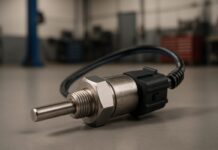
Thermostat malfunctions cause erratic temperature readings and poor heater performance. Stuck-closed thermostats lead to overheating, whilst stuck-open units prevent the engine reaching optimal operating temperature, increasing fuel consumption and emissions.
Expansion tank cracking affects older models, with plastic becoming brittle through repeated heating cycles. Small hairline cracks develop around mounting points and filler neck, causing gradual coolant loss and air ingestion into the cooling system.
Suspension component wear
The Fiat Panda’s suspension endures harsh treatment on Britain’s deteriorating road surfaces. Component wear accelerates due to the lightweight construction and limited ground clearance typical of city cars.
Front shock absorbers fail prematurely, particularly on vehicles used for school runs and urban commuting. Constant compression and extension over speed humps and potholes causes seal failure and fluid leakage. Worn shocks create excessive bouncing, reduced braking performance, and uneven tyre wear.
Lower arm bushes deteriorate rapidly, causing knocking noises over bumps and imprecise steering feel. The rubber compounds used struggle with temperature extremes and road salt exposure common in UK conditions.
Anti-roll bar link failures produce characteristic knocking sounds during cornering and over uneven surfaces. These components endure significant stress during parking manoeuvres and tight urban turns, leading to joint wear and eventual failure.
Warning signs your car has a problem
Recognising early warning signs can prevent minor issues escalating into expensive repairs. Physical symptoms, unusual noises, and performance changes all indicate developing problems.
Dashboard warning lights provide the first indication of system failures. The engine management light suggests emissions or fuel system problems, whilst the battery light indicates charging system faults. Temperature warnings require immediate attention to prevent engine damage.
Unusual noises during operation reveal mechanical wear. Grinding from brakes indicates worn brake pads requiring immediate replacement. Whining during acceleration suggests transmission problems, whilst knocking over bumps indicates suspension wear.
Performance changes manifest as reduced power, poor fuel economy, or difficult starting. These symptoms often develop gradually, making them easy to ignore until major failure occurs.
How to fix the problems
| Problem | Solution | Estimated Cost | Difficulty Level |
|---|---|---|---|
| Clutch Cable Adjustment | Cable tension adjustment at transmission | £15-30 | Easy |
| Window Motor Replacement | Remove door panel, replace motor unit | £80-150 | Moderate |
| Thermostat Replacement | Drain coolant, replace thermostat housing | £45-80 | Moderate |
| Shock Absorber Replacement | Remove wheels, replace strut assembly | £120-200 per pair | Difficult |
| Alternator Replacement | Disconnect battery, remove belt, replace unit | £180-300 | Difficult |
“Always disconnect the battery before working on electrical components to prevent short circuits and control unit damage. This simple precaution can save hundreds in repair costs.” – AutoPartsPro Technical Team
Several problems require specialist tools and experience. Clutch replacement involves transmission removal, requiring hydraulic jacks and transmission supports. Timing belt changes demand precise timing tool sets to prevent valve damage.
“Regular maintenance schedules prevent 70% of common Fiat Panda problems. Oil changes, coolant flushes, and brake fluid replacement cost far less than major component failures.”
| Maintenance Task | Frequency | Expected Cost | Prevention Benefit |
|---|---|---|---|
| Engine Oil Change | Every 6 months/6,000 miles | £25-40 | Prevents engine wear |
| Coolant System Flush | Every 2 years | £50-75 | Prevents overheating |
| Brake Fluid Change | Every 2 years | £35-55 | Maintains braking performance |
| Air Filter Replacement | Every 12 months | £15-25 | Improves fuel economy |
When to see a mechanic
Certain symptoms demand immediate professional attention to prevent safety risks or catastrophic damage. Knowing when to visit a garage versus attempting DIY repairs protects both your wallet and wellbeing.
Brake system problems require urgent professional diagnosis. Spongy pedal feel, grinding noises, or increased stopping distances indicate brake failure risks. These safety-critical systems need immediate expert attention to prevent accidents.
Cooling system overheating demands professional investigation. Steam from the engine bay, temperature gauge reading maximum, or coolant loss suggests serious problems. Continued driving risks cylinder head warping or complete engine seizure.
Clutch system complete failure leaves vehicles immobile. When the clutch pedal travels to the floor without resistance, or gears cannot be selected, professional recovery and repair become necessary. Attempting to drive with clutch failure can damage the transmission.
Electrical faults affecting engine management systems require diagnostic equipment beyond typical DIY capabilities. Modern Pandas use complex control units that need specialised scan tools for fault code reading and system reset procedures.
How do I know if my Fiat Panda’s clutch is failing?
Key symptoms include high bite point, slipping during acceleration, difficulty selecting gears, and burning smells. Professional assessment confirms wear levels and replacement requirements.
Why do Fiat Panda electrical systems fail frequently?
Cost-cutting measures, heat stress in compact engine bays, and corrosion from British weather conditions accelerate electrical component failure rates compared to larger vehicles.
Can I prevent Fiat Panda cooling system problems?
Regular coolant changes, radiator cleaning, and thermostat replacement every 60,000 miles significantly reduce cooling system failures and extend component life.
What causes premature suspension wear in Fiat Pandas?
Lightweight construction, frequent urban use over speed humps, and Britain’s deteriorating road surfaces accelerate suspension component wear beyond normal service intervals.
Are Fiat Panda repairs expensive compared to other city cars?
Parts costs remain reasonable due to widespread availability, but labour costs can be higher due to compact packaging making component access challenging for mechanics.
Final recommendation
The Fiat Panda remains an excellent choice for urban driving despite these common problems. Understanding potential issues allows proactive maintenance that prevents expensive failures. Regular servicing, quality replacement parts, and prompt attention to warning signs maintain reliability and safety.
AutoPartsPro’s experience with thousands of Panda owners shows that preventive maintenance costs significantly less than reactive repairs. Regular oil changes, cooling system maintenance, and suspension inspections extend vehicle life considerably. Quality aftermarket parts provide excellent value whilst maintaining manufacturer standards.
For DIY enthusiasts, focus on straightforward maintenance tasks like air filter replacement and fluid changes. Leave complex repairs involving timing belts, clutch replacement, and electrical diagnosis to qualified professionals. This approach balances cost savings with safety and reliability, ensuring your Fiat Panda serves faithfully for years to come.

 Loading...