The Audi A5 has earned its place as a premium coupe and convertible, blending sophisticated design with impressive performance. However, like any complex vehicle, the A5 experiences specific problems that owners should understand. Our automotive specialists at AutopartsPro have identified the most common issues affecting A5 models from 2007 onwards, helping you recognise symptoms early and avoid costly repairs.
Timing chain problems
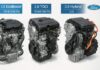
The Audi A5’s timing chain issues represent one of the most serious problems affecting multiple engine variants. The 2.0 TFSI and 3.0 TFSI engines are particularly susceptible to premature timing chain wear, typically occurring between 80,000 and 120,000 miles.
These problems manifest through distinctive rattling noises from the engine bay, especially during cold starts. The chain tensioner fails to maintain proper tension, causing the chain to stretch beyond acceptable limits. Left unaddressed, this leads to catastrophic engine failure when the timing chain snaps.
The root cause stems from inadequate lubrication reaching the chain guides and tensioners. Audi’s variable service intervals compound this issue, as extended oil change periods accelerate wear. Our mechanics strongly recommend reducing service intervals to 10,000 miles maximum for affected engines.
Professional tip: Listen for rattling sounds lasting more than 10 seconds after starting – this indicates immediate attention is required to prevent engine damage.
Carbon build-up in direct injection engines
Direct injection engines in the A5 suffer from significant carbon deposits on intake valves. Unlike port injection systems, fuel doesn’t wash over the valves, allowing carbon to accumulate progressively. This affects all TSI and TFSI variants, particularly the 2.0-litre engines.
Symptoms include rough idling, reduced power output, increased fuel consumption, and hesitation during acceleration. The problem worsens gradually, making it difficult to notice until performance drops significantly. Many owners mistake these symptoms for normal wear rather than recognising the underlying issue.
Carbon cleaning requires specialised walnut blasting or chemical treatment, costing between £300-£600. Regular use of quality fuel filters and premium fuels helps slow accumulation, though periodic professional cleaning remains necessary every 40,000-50,000 miles.
Dual-clutch transmission failures
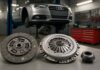
The S tronic dual-clutch transmission in automatic A5 models experiences specific failure patterns. Clutch pack wear, mechatronic unit faults, and hydraulic system problems plague these complex gearboxes, particularly in vehicles with high mileage or aggressive driving histories.
Early warning signs include jerky gear changes, delayed engagement, grinding noises, and occasional loss of drive. The mechatronic unit, combining hydraulic and electronic control, frequently fails due to contaminated fluid or electrical faults. Replacement costs range from £2,000-£4,000 for major repairs.
Regular transmission fluid changes every 40,000 miles help prevent premature failure. Many owners neglect this service, believing the transmission is “sealed for life” according to Audi’s marketing claims. Our experience shows proper maintenance significantly extends transmission lifespan.
Electrical system malfunctions
Complex electrical architecture in the A5 creates multiple failure points affecting various systems. Common problems include MMI screen failures, central locking malfunctions, LED headlight failures, and parking sensor faults.
The Multi Media Interface (MMI) system frequently develops screen blackouts, frozen displays, or complete system crashes. These issues often stem from software glitches rather than hardware failures, though unit replacement sometimes becomes necessary.
Electrical problems tend to multiply over time, as water ingress through worn seals affects multiple circuits. Door handle sensors, window regulators, and climate control modules commonly fail between 5-8 years of age. Diagnostic costs can escalate quickly when multiple systems require attention simultaneously.
Oil consumption issues
Excessive oil consumption affects numerous A5 engines, particularly the 2.0 TFSI variants. Owners report consumption rates exceeding 1 litre per 1,000 miles, well above acceptable levels. This problem stems from worn piston rings, valve stem seals, or turbocharger seals.
The issue develops gradually, making detection difficult during routine checks. Many owners only notice when dashboard warning lights illuminate or during MOT inspections. Continued driving with low oil levels risks complete engine seizure.
Piston ring replacement requires engine removal and complete rebuild, costing £3,000-£5,000. Turbocharger seal replacement offers a less expensive option when the turbo is the primary culprit. Regular oil level monitoring becomes crucial for affected vehicles.
Essential maintenance tip: Check oil levels weekly rather than relying on dashboard warnings – early detection prevents catastrophic engine damage.
Warning signs your car has a problem
Recognising early symptoms prevents minor issues becoming major failures. Watch for these critical warning signs that indicate your A5 requires professional attention:
- Unusual engine noises, particularly rattling during cold starts
- Reduced power output or hesitation during acceleration
- Jerky or delayed gear changes in automatic models
- Excessive oil consumption between services
- Electronic system malfunctions or warning lights
Dashboard warning lights should never be ignored, as they indicate specific system faults requiring diagnosis. Strange noises often precede major component failures, making early investigation essential for preventing costly repairs.
How to fix the problems
| Problem | Solution | Cost Range | Prevention |
|---|---|---|---|
| Timing Chain | Complete chain replacement | £1,500-£2,500 | Frequent oil changes, quality oil |
| Carbon Build-up | Walnut blasting cleaning | £300-£600 | Premium fuel, regular cleaning |
| Transmission | Clutch pack/mechatronic replacement | £2,000-£4,000 | Regular fluid changes |
| Oil Consumption | Engine rebuild or turbo replacement | £3,000-£5,000 | Regular oil level monitoring |
Prevention remains more cost-effective than cure for most A5 problems. Quality parts and regular maintenance using OEM specifications help avoid premature failures.
| Service Item | Recommended Interval | Standard Interval | Benefit |
|---|---|---|---|
| Engine Oil | 10,000 miles | 18,000 miles | Prevents timing chain wear |
| Transmission Fluid | 40,000 miles | Lifetime | Extends gearbox life |
| Carbon Cleaning | 50,000 miles | Not specified | Maintains engine performance |
When to see a mechanic
Immediate professional attention is required when experiencing timing chain rattle, transmission slipping, or excessive oil consumption. These problems escalate rapidly, potentially causing complete vehicle failure if ignored.
Annual health checks help identify developing issues before they become critical. Specialists familiar with A5-specific problems can spot early warning signs that general mechanics might miss. This proactive approach saves thousands in preventable repairs.
Consider specialist diagnosis when multiple electrical systems malfunction simultaneously, as underlying wiring problems require systematic investigation. Generic diagnostic tools often miss A5-specific fault codes that reveal the root cause of complex problems.
Our maintenance experts recommend establishing relationships with Audi specialists who understand the unique characteristics of each generation. This knowledge proves invaluable when problems arise.
Frequently asked questions
What year Audi A5 is most reliable?
The 2012-2016 models show improved reliability after early timing chain issues were addressed, though regular maintenance remains crucial.
How much does Audi A5 timing chain replacement cost?
Timing chain replacement typically costs £1,500-£2,500 including labour, with additional costs if engine damage has occurred.
Is the Audi A5 expensive to maintain?
Annual maintenance costs average £800-£1,200, higher than mainstream brands but reasonable for premium vehicles with proper care.
How often should I service my Audi A5?
Every 10,000 miles or annually for optimal reliability, despite Audi’s longer official service intervals for certain components.
What engines should I avoid in the Audi A5?
Early 2.0 TFSI engines (2007-2012) show highest timing chain failure rates, though later versions improved significantly.
Final recommendation
The Audi A5 remains an excellent choice when properly maintained, offering luxury and performance few competitors match. Understanding common problems and implementing preventive maintenance strategies significantly improves ownership experience and reduces long-term costs.
Focus on frequent oil changes, quality parts, and specialist knowledge when addressing issues. While initial purchase prices seem attractive, factor in higher maintenance costs when budgeting. Our AutopartsPro specialists recommend thorough pre-purchase inspections and establishing service relationships with experienced technicians.
Success with A5 ownership requires realistic expectations about maintenance costs and commitment to proper care. Those willing to invest in quality maintenance will enjoy years of reliable, luxurious motoring from these sophisticated machines.

 Loading...