The Nissan X-Trail stands as one of Britain’s most popular family SUVs, offering versatile performance across urban streets and country lanes. Engine selection plays a crucial role in determining your X-Trail’s character, running costs, and overall driving experience. From efficient petrol units to robust diesels, the X-Trail lineup delivers options ranging from 115bhp to 188bhp with torque figures reaching 380Nm in the most powerful variants.
Comparison table of all engines
| Engine | Power output | Torque | Fuel consumption | Reliability |
|---|---|---|---|---|
| 1.6 DCI | 130bhp | 320Nm | 52.3mpg | Good |
| 2.0 DCI | 150bhp/175bhp | 380Nm | 47.9mpg | Very Good |
| 1.33 DIG-T | 140bhp/158bhp | 240Nm/270Nm | 38.7mpg | Excellent |
| 2.5 Petrol | 169bhp/188bhp | 233Nm/245Nm | 35.3mpg | Very Good |
| e-Power Hybrid | 204bhp | 330Nm | 53.3mpg | Excellent |
Engine #1 overview
The 1.6 DCI represents Nissan’s compact diesel solution for the X-Trail, utilising a turbocharged four-cylinder configuration with common rail direct injection technology. This 1.6-litre powerplant produces 130bhp and delivers substantial torque output of 320Nm from just 1,750rpm. The engine features advanced fuel filtration systems and runs on standard diesel fuel with sophisticated injection timing.
Pros
- Excellent fuel economy exceeding 50mpg in mixed driving
- Strong low-end torque ideal for towing applications
- Relatively affordable maintenance costs compared to larger diesels
- Proven reliability record across Nissan’s European lineup
Cons
- Limited power for overtaking at motorway speeds
- Can feel sluggish when fully loaded with passengers and luggage
- Diesel particulate filter requires regular motorway driving
- Road noise becomes noticeable at higher RPMs
Engine #2 overview
The 2.0 DCI stands as the flagship diesel option, featuring a turbocharged four-cylinder layout with variable geometry turbocharging. Available in 150bhp and 175bhp variants, this engine delivers impressive 380Nm torque figures that transform the X-Trail’s towing capability. Direct common rail injection ensures optimal fuel atomisation whilst maintaining excellent efficiency ratings across the rev range.
Pros
- Outstanding torque delivery perfect for heavy loads and steep gradients
- Smooth power delivery with minimal turbo lag
- Impressive towing capacity up to 2,000kg when properly equipped
- Refined operation with excellent noise isolation
Cons
- Higher initial purchase price compared to smaller displacement options
- Requires premium engine oils for optimal performance
- DPF maintenance becomes critical for urban-only drivers
- Slightly higher road tax due to emissions classification
Engine #3 overview
Nissan’s 1.33 DIG-T petrol engine employs direct injection turbocharging technology within a lightweight four-cylinder architecture. This modern powerplant produces between 140-158bhp depending on specification, delivering peak torque figures of 240-270Nm. The engine utilises variable valve timing and runs on standard unleaded petrol with sophisticated knock detection systems.
Pros
- Responsive throttle response ideal for city driving
- Lower initial purchase costs versus diesel alternatives
- No DPF concerns for short-journey drivers
- Excellent cold-start performance in winter conditions
Cons
- Higher fuel consumption compared to diesel variants
- Premium unleaded recommended for optimal performance
- Turbocharger components require careful maintenance
- Less torque available for towing heavy trailers
Engine #4 overview
The naturally aspirated 2.5-litre petrol engine provides traditional reliability through a four-cylinder design without turbocharging complexity. Producing 169-188bhp with torque outputs reaching 245Nm, this engine relies on displacement rather than forced induction. Multi-point fuel injection ensures consistent fuel delivery across all operating conditions using standard unleaded petrol.
Pros
- Exceptional reliability due to naturally aspirated design
- Linear power delivery without turbo lag characteristics
- Lower maintenance requirements compared to turbocharged units
- Proven durability across Nissan’s global markets
Cons
- Higher fuel consumption, especially in urban environments
- Less torque than turbocharged alternatives
- Can feel underpowered when climbing steep inclines
- Higher CO2 emissions affect road tax classifications
Engine #5 overview
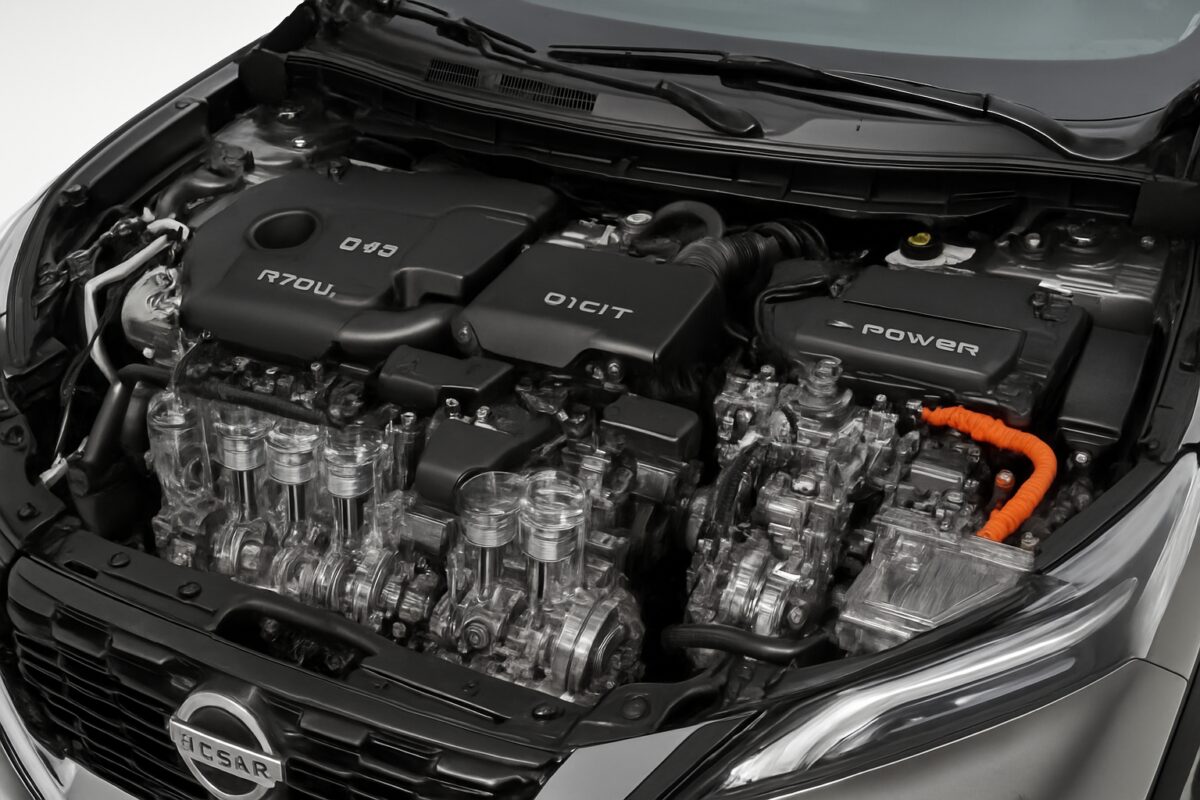
The e-Power hybrid system combines a 1.5-litre petrol engine with electric motor technology, creating a unique series hybrid configuration. The electric motor produces 204bhp with instant torque delivery of 330Nm, whilst the petrol engine serves purely as a generator. This innovative powertrain uses CVT transmission technology with regenerative braking capabilities.
Pros
- Outstanding fuel economy rivalling pure diesel engines
- Instant electric torque provides exceptional acceleration
- Reduced emissions qualify for lower road tax bands
- Whisper-quiet operation during electric-only phases
Cons
- Higher initial purchase price due to hybrid technology
- Battery replacement costs after extended ownership periods
- Limited availability across all X-Trail trim levels
- Complex systems require specialist maintenance knowledge
Maintenance cost
| Engine | Recommended Interval | Estimated Cost | Cost per 10000 miles |
|---|---|---|---|
| 1.6 DCI | 12,500 miles | £275 | £220 |
| 2.0 DCI | 12,500 miles | £325 | £260 |
| 1.33 DIG-T | 10,000 miles | £245 | £245 |
| 2.5 Petrol | 10,000 miles | £195 | £195 |
| e-Power Hybrid | 10,000 miles | £385 | £385 |
Our AutoPartsPro mechanics recommend following manufacturer service intervals religiously to maintain warranty coverage. The hybrid system requires additional checks on electrical components and battery systems, whilst diesel engines benefit from regular DPF regeneration cycles during maintenance visits.
> **Professional Tip**: Always use manufacturer-approved oil specifications for turbocharged engines. Using incorrect viscosity grades can lead to premature turbocharger wear and expensive repairs.
Engine sound and character
Each X-Trail engine delivers distinct acoustic signatures that define the driving experience. The 1.6 DCI produces a typical diesel clatter at idle, becoming refined during cruising speeds. The larger 2.0 DCI offers smoother operation with barely audible diesel characteristics when properly warmed.
Petrol engines provide contrasting experiences – the 1.33 DIG-T delivers a sporty three-cylinder thrum with turbocharger whistle during acceleration. The naturally aspirated 2.5-litre produces a conventional four-cylinder note that remains consistent across the rev range.
The e-Power hybrid operates almost silently during electric phases, with the petrol generator starting seamlessly when required. This creates an eerily quiet driving experience that many drivers find refreshing in urban environments.
> **AutoPartsPro Expert Opinion**: From our workshop experience, the 2.0 DCI represents the sweet spot for most X-Trail owners, offering excellent torque delivery with manageable running costs. However, urban drivers should seriously consider the e-Power system for its exceptional efficiency and refinement.
Who each engine is best for
| Engine | Daily commuters | Performance enthusiasts | Long-distance drivers | Budget-conscious owners |
|---|---|---|---|---|
| 1.6 DCI | Good | Poor | Excellent | Very Good |
| 2.0 DCI | Very Good | Good | Excellent | Good |
| 1.33 DIG-T | Excellent | Very Good | Good | Very Good |
| 2.5 Petrol | Good | Good | Fair | Excellent |
| e-Power Hybrid | Excellent | Very Good | Very Good | Fair |
The diesel engines excel for high-mileage drivers who regularly tackle motorway journeys, whilst petrol options suit those preferring simplicity and lower initial costs. Hybrid technology appeals to environmentally conscious drivers willing to invest in advanced powertrain technology.
Regular replacement of air filters becomes particularly important for turbocharged engines to maintain optimal performance. Our technicians also recommend checking spark plugs every 20,000 miles on petrol variants to ensure smooth operation.
Frequently asked questions (FAQ)
Which X-Trail engine offers the best fuel economy?
The e-Power hybrid system delivers exceptional efficiency at 53.3mpg combined, closely followed by the 1.6 DCI diesel at 52.3mpg in real-world conditions.
Can the X-Trail tow a caravan safely?
The 2.0 DCI engines provide optimal towing capability with 2,000kg capacity, whilst the 1.6 DCI manages 1,500kg when properly equipped with towing accessories.
Are X-Trail diesel engines reliable for urban driving?
Diesel variants require regular motorway driving to maintain DPF health. Urban-only drivers should consider petrol or hybrid alternatives for reliability.
What service intervals apply to X-Trail engines?
Diesel engines follow 12,500-mile intervals whilst petrol and hybrid variants require servicing every 10,000 miles for optimal performance and warranty compliance.
Which X-Trail engine provides the best resale value?
The 2.0 DCI and e-Power hybrid systems typically maintain stronger residual values due to their desirability and proven reliability records.

 Loading...