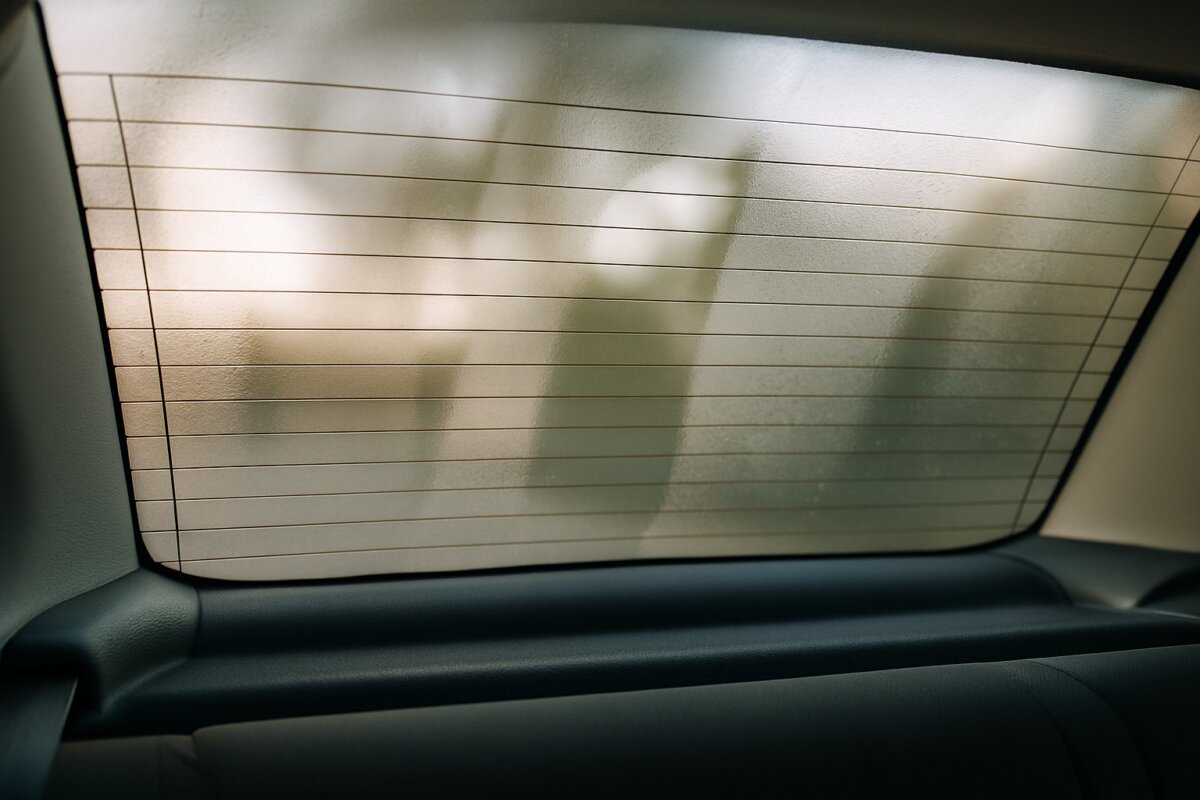
A car rear window heater, also known as a defroster, uses thin heating elements embedded in the glass to clear condensation and ice. When activated, electrical current flows through these grid-like filaments, generating heat that evaporates moisture within minutes. If your defroster isn’t working, common causes include blown fuses, damaged heating elements, faulty wiring, or a malfunctioning switch. Diagnosing the issue involves checking the fuse box, inspecting the grid for breaks, testing the electrical connections, and verifying the switch operation.
The rear window defroster is one of those features you don’t think about until a foggy November morning when you’re running late. Understanding how this system operates and knowing how to fix it yourself can save you time and money whilst keeping your visibility crystal clear.
How the rear window defroster system works
The rear window heating system consists of several integrated components working together. Horizontal heating elements are bonded directly to the glass during manufacturing. These elements are actually thin ceramic-metallic strips that become resistive conductors when electricity passes through them.
When you press the defroster button on your dashboard, the battery supplies approximately 12 volts to the system through a dedicated relay. The current flows from one vertical bus bar on the side of the window, through each horizontal element, and exits through the opposite bus bar. This creates a complete circuit where electrical resistance generates heat.
Most systems include an automatic timer that switches off the defroster after 10-15 minutes to prevent excessive battery drain. The heat generated typically reaches 15-30°C above ambient temperature, which is sufficient to evaporate moisture and melt light frost without damaging the glass or surrounding trim.
Modern vehicles may integrate the rear defroster with the climate control system, allowing coordinated operation with the blower motor and front windscreen heating. Some premium systems also incorporate heating elements into the side mirrors and windscreen washer jets to prevent freezing.
Tools and parts required
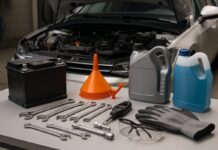
Before diagnosing or repairing your rear window defroster, gather these essential items to make the job straightforward and professional.
Parts needed:
- Replacement fuses (vehicle-specific amperage)
- Rear window defroster repair kit (contains conductive paint)
- Electrical contact cleaner
- Replacement relay (if required)
- Replacement switch assembly (if faulty)
- Electrical connectors and terminals
Tools required:
- Digital multimeter for electrical testing
- Test light or circuit tester
- Basic screwdriver set
- Trim removal tools
- Wire strippers and crimping tool
- Masking tape for marking breaks
- Isopropyl alcohol and lint-free cloths
Always ensure your multimeter is calibrated correctly and set to the appropriate voltage range before testing. Accurate readings are crucial for proper diagnosis, and using the wrong settings can damage your meter or provide false results.
Safety precautions
Working with electrical systems requires careful attention to safety protocols. Always disconnect the negative battery terminal before performing any repairs to prevent short circuits or accidental deployment of airbags.
Avoid touching the heating elements directly with metal tools, as this can scratch or damage the conductive material. Work in a well-lit area where you can clearly see all connections and components. Never attempt repairs whilst the defroster is active, as the elements can become hot enough to cause burns.
When working around the rear parcel shelf or boot area, be mindful of sharp metal edges and ensure the vehicle is on level ground with the handbrake engaged. If you need to access wiring behind trim panels, use proper trim removal tools to avoid breaking plastic clips.
Step-by-step diagnostic process
Methodical diagnosis is the key to quickly identifying why your rear window heater has stopped working. Follow these steps in sequence to pinpoint the fault.
Step 1: Check the fuse and relay
Locate your vehicle’s fuse box, typically found under the dashboard or in the engine compartment. Consult your owner’s manual to identify the specific fuse for the rear defroster, usually rated between 20-40 amps depending on your vehicle.
Remove the fuse and inspect it visually for a broken filament. Use a multimeter to test continuity if you’re uncertain. A blown fuse indicates an electrical overload, which could suggest a short circuit elsewhere in the system. Replace with the correct amperage fuse and test the system.
Next, locate the defroster relay, often positioned in the same fuse box. You can test the relay by swapping it with an identical one from another system, such as the fuel pump relay, if they share the same specifications. If the defroster works with the swapped relay, you’ve found your problem.
Step 2: Test the switch operation
Turn the ignition to the accessory position without starting the engine. Press the rear defroster button and listen for the relay clicking. If you hear the click but see no results, the switch is likely functional and the problem lies downstream.
Use a multimeter to test voltage at the switch terminals. With the defroster activated, you should read approximately 12 volts. No voltage indicates a faulty switch or broken wire between the switch and fuse box. The headlight switch assembly often shares similar construction and failure modes.
Step 3: Inspect the heating elements
Examine the rear window carefully in good lighting conditions. Look for any visible breaks in the horizontal lines. These breaks often appear as small gaps or discoloured sections in the grid pattern. Mark any damaged areas with small pieces of masking tape on the outside of the glass.
Condensation or frost patterns can also reveal damaged sections. When the defroster is working, intact areas will clear first, whilst broken sections remain fogged or frosted. This visual test is remarkably effective for identifying multiple breaks.
Step 4: Test electrical continuity
Set your multimeter to DC voltage. Turn on the defroster and touch the positive probe to one of the vertical bus bars and the negative probe to a good earth point. You should read approximately 12 volts, confirming power is reaching the window.
Now test individual grid lines. Touch the positive probe to one end of a horizontal element at the bus bar and the negative probe to the other end. A functioning element should show around 6 volts at the midpoint and 0 volts at the grounded end. Inconsistent readings indicate a break in that specific line.
According to AutoPartsPro specialists, over 60% of rear defroster failures are caused by broken grid lines rather than electrical faults. This makes visual inspection and targeted repairs more effective than replacing entire components.
Step 5: Check ground connections
Poor earthing is a frequently overlooked cause of defroster malfunction. Locate the ground connection for the defroster circuit, typically attached to the vehicle body near the rear window or boot area.
Remove the connection and inspect for corrosion, paint contamination, or loose bolts. Clean the contact surfaces with wire wool and electrical contact cleaner. Apply a thin layer of dielectric grease before reconnecting to prevent future corrosion. Test the system again after securing the earth properly.
Repairing broken heating elements
Once you’ve identified breaks in the heating grid, repair is straightforward using the correct materials and technique. Standard household paint or glue won’t work because they don’t conduct electricity.
Purchase a rear window defroster repair kit containing conductive silver-based paint. These kits typically include a small bottle of conductive material, a fine brush, and instructions. Clean the damaged area thoroughly with isopropyl alcohol to remove all dirt, oils, and residue.
Mask off the area around the break with tape to ensure a neat repair. Apply the conductive paint carefully, bridging the gap between the two sections of the broken element. Make sure to overlap both sides by at least 5mm to ensure good electrical contact.
Allow the repair to cure completely according to the manufacturer’s instructions, typically 24 hours. Don’t use the defroster during this curing period. Once cured, test the repair by activating the system and checking that the previously affected area now clears properly.
For breaks near the vertical bus bars, extra care is needed to ensure good contact with these main power feeds. Some specialists recommend light sanding of the bus bar surface before applying the conductive paint to improve adhesion and conductivity.
Common mistakes to avoid
Many DIY repairs fail because of easily preventable errors. Never use metal scrapers or abrasive cleaners on the inside of the rear window, as these will damage the delicate heating elements beyond repair.
Avoid using household glue or regular paint to repair broken elements. These materials lack electrical conductivity and will simply insulate the break rather than repair it. Only use proper conductive repair kits designed specifically for this application.
Don’t skip the cleaning step before applying conductive paint. Any contamination will prevent proper adhesion and conductivity, leading to repair failure. Similarly, rushing the curing process by using the defroster too soon can cause the repair to fail immediately.
Testing with incorrect meter settings is another common issue. Always verify your multimeter is set to DC voltage, not AC, when testing automotive electrical systems. Using AC settings will give meaningless readings and lead to misdiagnosis.
Finally, don’t ignore blown fuses or assume they’re just random failures. A blown fuse always indicates an underlying problem, usually a short circuit or failing component. Simply replacing the fuse without investigating further often leads to repeated failures.
AutoPartsPro technicians recommend testing the entire system after any repair, not just the specific area you worked on. This comprehensive check ensures you haven’t inadvertently created new problems whilst solving the original issue.
When to replace rather than repair
Whilst most defroster problems can be repaired, certain situations warrant complete replacement. If more than 40% of the heating grid is damaged, the cost and time investment in multiple repairs may exceed replacement value.
Similarly, if the vertical bus bars themselves are damaged or delaminating from the glass, repairs are unlikely to be successful. These bus bars carry the main current and must maintain perfect contact across their entire length.
When the rear window glass itself is cracked or damaged and requires replacement anyway, specify a new window with integrated heating elements rather than attempting to repair the old defroster. The marginal cost difference is minimal compared to the labour involved.
Failed switches or relays should generally be replaced rather than repaired, as internal contacts wear over time and cannot be effectively restored. Replacement components are relatively inexpensive and installation is typically straightforward.
Related electrical maintenance you can do at the same time
Whilst you’re working on electrical diagnostics, several related maintenance tasks make efficient use of your time and tools.
Check your tail lights and number plate illumination for proper operation. These circuits often share the same general area and can be tested whilst your multimeter is already out. Clean all light connections and apply dielectric grease to prevent corrosion.
Inspect the wiper motor connections and rear screen washer pump if your vehicle has one. These components work in conjunction with the defroster to maintain visibility and often develop similar connection issues.
Test your window switches and mechanisms whilst you have access to rear trim panels. Sluggish window operation can indicate electrical resistance in circuits that may also affect other systems.
Consider replacing your cabin filter whilst working in this area. A clogged filter reduces ventilation efficiency and increases the workload on your defroster by allowing more moisture to accumulate inside the vehicle.
If your vehicle has heated mirrors, test these at the same time as they typically operate on the same circuit as the rear defroster. This integrated testing approach saves time and ensures complete system functionality.
Preventive maintenance for long-term reliability
Regular care significantly extends the life of your rear window defroster system. Clean the inside of the rear window monthly using only soft microfibre cloths and appropriate glass cleaner. Always wipe horizontally, following the direction of the heating elements, never vertically across them.
Avoid placing stickers, decals, or hanging ornaments on the inside of the rear window. The adhesive can damage the heating elements when removed, and pressure from suction cups can cause breaks in the delicate grid.
During winter months, don’t activate the defroster when ice is heavily caked on the outside of the window. The thermal shock from rapid heating can stress the glass and elements. Instead, use a proper ice scraper on the outside first, then activate the defroster to complete the clearing process.
Check your vehicle’s battery health regularly, as weak batteries cannot supply sufficient current to operate the defroster effectively. Poor battery performance often manifests as slow or incomplete defogging rather than complete system failure.
Inspect electrical connections annually, particularly in autumn before winter weather arrives. Clean any corrosion from terminals and ensure all connections are tight. This simple preventive step can prevent failures during the season when you need the defroster most.
Advanced troubleshooting techniques
For persistent problems that don’t respond to basic diagnostics, more advanced techniques may be necessary. Thermal imaging cameras, whilst expensive, can quickly identify breaks in heating elements by showing temperature variations across the grid when the system is active.
Oscilloscope testing of the relay and switch can reveal intermittent faults that don’t show up during static testing. These tools measure the quality of electrical signals over time, identifying voltage drops or contact bounce that cause unreliable operation.
Some vehicles incorporate the defroster function into the body control units, requiring diagnostic scan tools to identify fault codes. These modules may disable the defroster if they detect anomalies in current draw or circuit resistance.
Professional-grade multimeters with recording functions can monitor voltage and current over extended periods, helping identify problems that only occur under specific conditions such as particular temperatures or after prolonged operation.
Understanding electrical load and battery drain
The rear window defroster is one of the highest electrical loads in your vehicle, typically drawing 15-30 amps. This substantial current consumption is why systems include automatic timers to prevent excessive battery drain.
When combined with other high-load accessories like heated seats, headlamps, and the climate control blower, the total electrical demand can exceed the alternator’s output at idle speed. This is why you may notice the engine speed increase slightly when activating the defroster in some vehicles.
For vehicles that primarily make short journeys, frequent defroster use without adequate driving time can contribute to battery depletion. Consider this usage pattern when diagnosing what appears to be battery failure but is actually inadequate charging time.
Modern vehicles with stop-start technology often disable the defroster or reduce its power when the engine is stopped to preserve battery charge. Understanding these system interactions helps diagnose what might seem like defroster failure but is actually normal power management behaviour.
Frequently asked questions
How long should it take for my rear defroster to clear the window?
A properly functioning rear defroster should clear light condensation within 2-3 minutes and moderate frost within 5-7 minutes. Heavy ice may require 10-15 minutes combined with mechanical removal. Longer times suggest damaged elements or insufficient electrical power reaching the system.
Can I use my rear wiper whilst the defroster is on?
Yes, using the rear wiper with the defroster active is perfectly safe and actually helps clear moisture faster. However, ensure the wiper blade is in good condition to avoid scratching the glass or damaging the heating elements on the inside surface.
Why does my defroster work on some lines but not others?
Individual grid lines can fail independently when breaks occur in specific horizontal elements. Each line operates as a separate heating circuit connected to the same vertical bus bars, so damage to one line doesn’t affect the others mechanically or electrically.
Will a broken defroster grid affect my rear view camera?
A broken defroster won’t directly affect the camera electronics, but reduced visibility through the window due to persistent fogging will certainly impair the camera view. Many rear cameras are positioned to look through the heated section of glass for this reason.
Can I install a rear defroster in a car that didn’t come with one?
Aftermarket rear window defroster kits are available and can be installed on most vehicles. However, installation requires careful routing of power cables, proper relay installation, switch mounting, and professional application of the heating element to the glass for reliable results.
Maintaining your rear window defroster ensures year-round visibility and safety, particularly during Britain’s damp winter months. With proper diagnostic techniques and the right approach to repairs, most defroster problems can be solved without professional intervention. Regular inspection of the heating grid, secure electrical connections, and using appropriate sensors and components from reliable suppliers will keep your system functioning reliably for years. Taking the time to understand how the system works and addressing small issues before they become major failures represents smart vehicle maintenance that pays dividends in comfort and safety.

 Loading...