BMW clutch replacement typically costs between £400 and £1,800, depending on your model and whether you choose a complete clutch kit or individual components. The price includes the friction disc, pressure plate, release bearing, and sometimes the flywheel, with labour charges forming a significant portion of the total expense. Most BMW owners need to replace their clutch between 60,000 and 100,000 miles, though driving style and model significantly influence this interval.
Understanding when and how to replace your BMW’s clutch can save you considerable money whilst ensuring optimal performance. This guide walks you through everything from recognising the warning signs to selecting the right parts for your specific model.
Understanding BMW clutch components and their function
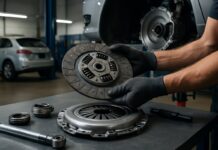
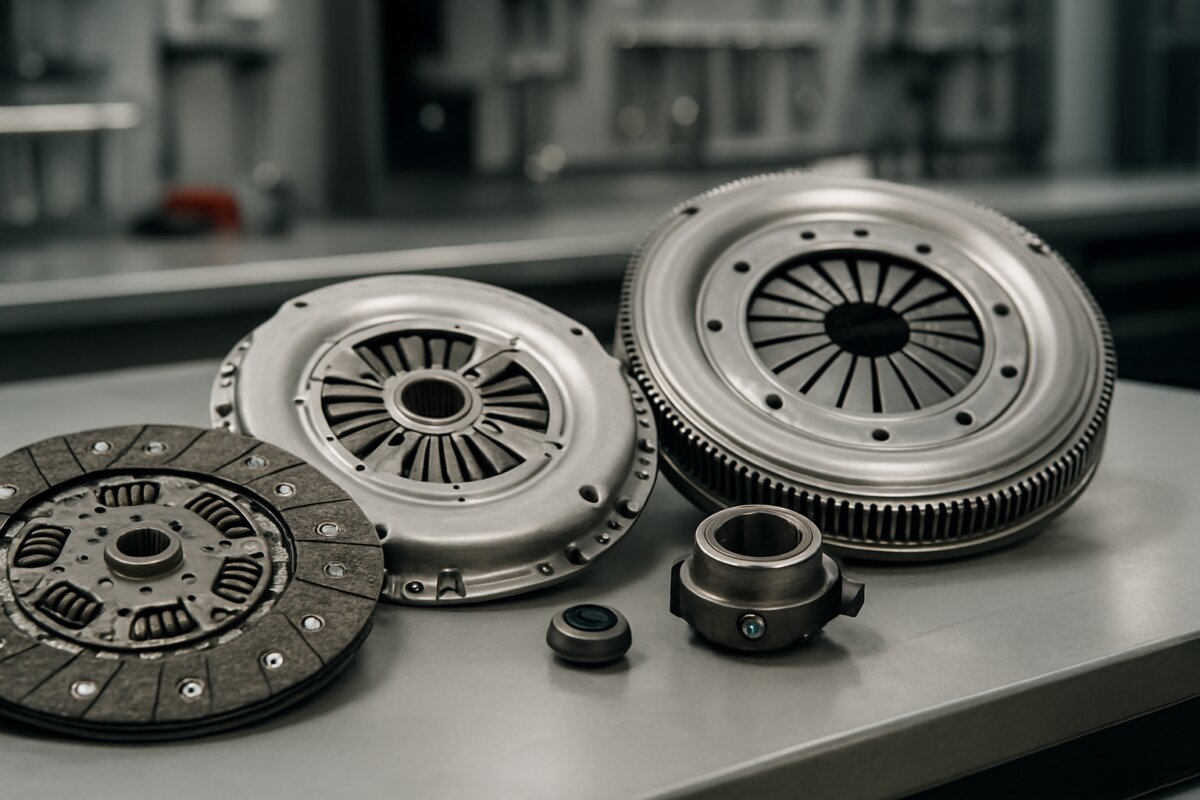
The clutch system in your BMW comprises several critical components working together to transfer power from the engine to the gearbox. The clutch plate, also called the friction disc, sits between the flywheel and the pressure plate. When you press the clutch pedal, the clutch release bearing disengages these components, allowing you to change gears smoothly.
The clutch pressure plate exerts force on the friction disc to maintain engagement with the flywheel. Over time, the friction material wears down, reducing grip and causing slippage. Many BMW models also use a dual-mass flywheel that absorbs vibrations and provides smoother operation than conventional single-mass designs.
According to Autopartspro’s senior technicians, BMW’s dual-mass flywheels often require replacement alongside the clutch assembly. Neglecting this can lead to premature clutch failure and potentially damage other transmission components.
Warning signs that your BMW needs a clutch replacement
Recognising clutch wear early prevents catastrophic failure and potentially costly transmission damage. Several symptoms indicate your BMW’s clutch requires attention, and understanding these signs helps you schedule replacement before complete failure occurs.
Slipping clutch characteristics
When your engine revs increase without corresponding acceleration, particularly when climbing hills or accelerating hard, your clutch is slipping. This happens when the friction material has worn too thin to maintain proper grip between the flywheel and pressure plate. You might notice a burning smell resembling overheated brakes, which indicates excessive friction material degradation.
Difficulty engaging gears
Struggling to select first gear from neutral or experiencing grinding noises when changing gears suggests clutch problems. The clutch master cylinder or slave cylinder might also cause these symptoms, so proper diagnosis is essential before ordering parts.
Common physical symptoms
- Vibrations through the clutch pedal when releasing
- Higher biting point than when the vehicle was new
- Soft or spongy pedal feel indicating hydraulic system issues
- Abnormal noises when pressing or releasing the pedal
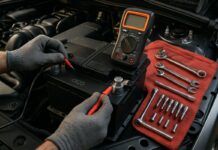
Top tip: Check your clutch cable (on cable-operated systems) or hydraulic fluid levels before assuming clutch wear. These simple checks can save you hundreds of pounds on unnecessary replacements.
Price breakdown for BMW clutch replacement
Understanding the cost structure helps you budget appropriately and identify whether quotes you receive are reasonable. Prices vary considerably based on your BMW model, chosen parts quality, and whether you tackle the job yourself or use a professional mechanic.
| BMW Model Series | Parts Cost (£) | Labour Cost (£) | Total Estimate (£) |
|---|---|---|---|
| 1 Series (E87/F20) | 200-450 | 300-600 | 500-1,050 |
| 3 Series (E90/F30) | 250-550 | 350-700 | 600-1,250 |
| 5 Series (E60/F10) | 350-700 | 400-800 | 750-1,500 |
| M Series (M3/M5) | 600-1,200 | 500-900 | 1,100-2,100 |
Labour charges typically account for 40-60% of the total bill because accessing the clutch requires removing the gearbox. Four-wheel-drive BMWs and M-Sport models incur higher labour costs due to additional complexity. Specialist BMW garages often charge premium rates but provide model-specific expertise that independent mechanics may lack.
Additional components that increase costs
Many mechanics recommend replacing the flywheel simultaneously, particularly on models with dual-mass flywheels. This adds £200-600 to parts costs but prevents having to repeat the labour-intensive process if the flywheel fails shortly after clutch replacement. The release bearing should always be replaced regardless, and most quality kits include this component.
Choosing between OEM and aftermarket clutch options
Selecting appropriate replacement parts involves balancing quality, performance requirements, and budget constraints. Original Equipment Manufacturer (OEM) parts guarantee perfect fitment and meet BMW’s specifications, whilst aftermarket alternatives offer varying quality levels at different price points.
OEM clutch advantages
- Guaranteed compatibility with your specific BMW model and production year
- Identical performance characteristics to the factory-fitted clutch
- Comprehensive warranties backed by BMW or authorised suppliers
- Predictable lifespan based on manufacturer testing data
OEM parts typically cost 20-40% more than quality aftermarket equivalents. For owners planning to keep their BMW long-term or those with high-performance models, this premium often proves worthwhile.
Aftermarket clutch considerations
Reputable aftermarket manufacturers like LuK, Sachs, and Valeo produce clutches specifically engineered for BMW applications. These often match or exceed OEM specifications whilst costing significantly less. Autopartspro’s parts specialists recommend choosing brands that supply original equipment to BMW factories, ensuring proven quality and reliability.
Performance clutches designed for modified or track-use BMWs offer increased clamping force and heat resistance. However, these typically sacrifice daily drivability with heavier pedal effort and harsher engagement. Unless your BMW produces significantly more power than standard, a quality OEM-specification replacement suits most drivers better.
Complete clutch kits versus individual components
Deciding whether to purchase a complete kit or individual parts depends on the extent of wear, your budget, and long-term cost effectiveness. Complete kits provide everything needed in one package, whilst buying components separately allows targeted replacement of worn items.
| Purchase Option | Advantages | Disadvantages | Best For |
|---|---|---|---|
| Complete Kit | Guaranteed component compatibility, single part number, often cheaper than separate parts | May include components that don’t need replacement | High-mileage vehicles, preventative replacement |
| Individual Parts | Replace only worn components, potential cost savings on low-mileage cars | Risk of compatibility issues, may require multiple orders | Specific component failure, recent partial replacement |
Most experienced technicians advocate for complete kit installation because labour costs vastly exceed the price difference between kits and individual components. Replacing everything simultaneously prevents returning to the workshop within months when another component fails.
What quality clutch kits include
- Friction disc (clutch plate) with premium facing material
- Pressure plate assembly with new diaphragm spring
- Release bearing (throwout bearing) with proper lubrication
- Alignment tool for precise installation
- Mounting bolts torqued to manufacturer specifications
Some premium kits also include the flywheel, gaskets, and gearbox input shaft seal. Whilst initially more expensive, these comprehensive packages prevent oil leaks and ensure every related component meets current standards.
Finding the correct clutch for your specific BMW model
BMW’s extensive model range and numerous variants mean precise identification is crucial when ordering clutch components. Using your Vehicle Identification Number (VIN) ensures you receive parts matching your exact specification, including engine variant, transmission type, and production date.
Key identification information needed
- Complete VIN (17-character code found on registration documents)
- Engine code (typically stamped on the engine block)
- Gearbox type and code (manual transmission variant)
- Current mileage and service history
BMW often changed clutch specifications mid-production year, so relying solely on the model year can result in ordering incorrect parts. Autopartspro’s online catalogue uses VIN lookup technology to match parts precisely to your vehicle, eliminating guesswork and reducing return rates.
Drivers of modified BMWs must consider power output when selecting clutches. A standard clutch rated for 250 bhp will slip prematurely behind a remapped engine producing 320 bhp. Specialist suppliers can recommend uprated clutches matching your power level whilst maintaining acceptable pedal feel for road use.
Professional installation versus DIY replacement
Clutch replacement requires removing the gearbox, which demands mechanical knowledge, appropriate tools, and safe working conditions. Whilst competent home mechanics can complete the job, several factors determine whether professional installation makes more sense.
Essential requirements for DIY clutch replacement
You’ll need a quality trolley jack, axle stands rated for your BMW’s weight, and a transmission jack for safe gearbox removal. Proper torque wrenches ensure critical bolts are tightened correctly, preventing future failures. The job typically takes 6-10 hours for first-timers, assuming no complications arise.
According to Autopartspro’s workshop advisors, the most common DIY mistakes include failing to align the clutch disc properly, overtightening pressure plate bolts, and reusing single-use fasteners. These errors cause premature failure or prevent the gearbox from mating correctly to the engine.
When professional installation makes sense
Four-wheel-drive BMWs require propshaft removal and additional subframe lowering. M-Sport models and performance variants often need specialised tools and programming after installation. If you lack covered workspace or appropriate lifting equipment, professional fitting ensures safety and correct installation.
Mobile mechanics typically charge 15-25% less than main dealers but may not provide warranties matching established workshops. Choosing a BMW specialist familiar with your model reduces installation time and ensures model-specific knowledge informs the work.
Extending clutch life and preventing premature wear
Proper driving technique significantly influences clutch longevity. Avoiding these common habits can double your clutch’s lifespan, delaying expensive replacement and maximising your investment.
Driving practices that damage clutches
Resting your foot on the clutch pedal whilst driving causes the release bearing to contact the pressure plate continuously, creating unnecessary wear. This habit, called “riding the clutch”, reduces component life by 30-50% according to transmission specialists.
Holding your BMW on hills using clutch friction instead of the handbrake generates excessive heat and accelerates friction material wear. Similarly, aggressive launches and high-RPM clutch drops create thermal stress that degrades the pressure plate and flywheel surface.
Ensure your engine mounts remain in good condition, as worn mounts cause excessive drivetrain movement that misaligns clutch components. Regular inspection of the hydraulic system prevents clutch drag that makes gear selection difficult and increases synchroniser wear.
Where to purchase BMW clutch components
Multiple purchasing channels exist, each offering different advantages regarding price, convenience, and support. Understanding these options helps you secure quality parts at competitive prices whilst ensuring correct fitment.
Benefits of specialist online retailers
Dedicated automotive parts websites like Autopartspro maintain extensive BMW-specific inventories with detailed compatibility information. Their systems cross-reference VIN data against manufacturer specifications, reducing the risk of ordering incorrect parts. Competitive pricing stems from lower overheads compared to physical retail premises.
Customer reviews and technical specifications help you compare different brands and quality levels before purchasing. Many online retailers offer free delivery on orders exceeding certain values, and return policies provide recourse if parts arrive damaged or prove incompatible.
Alternative purchasing options
BMW main dealers guarantee genuine OEM parts but charge premium prices reflecting their brand positioning. Local motor factors provide immediate availability and technical advice but typically stock limited BMW-specific components. Breakers yards occasionally offer used clutches from low-mileage vehicles, though warranties are minimal and condition verification proves difficult.
Autopartspro’s procurement specialists emphasise that clutches are safety-critical components where false economy proves expensive. Choosing reputable brands from established suppliers provides the balance between cost-effectiveness and reliability that most BMW owners seek.
Warranty coverage and return policies
Understanding warranty terms before purchasing protects you against manufacturing defects and ensures recourse if components fail prematurely. Different suppliers offer varying coverage levels, and installation requirements often affect warranty validity.
Most quality clutch manufacturers provide 12-24 month warranties covering material and manufacturing defects. These typically require professional installation with documented proof, as DIY fitting often voids coverage. Some warranties prorate based on mileage, reducing replacement costs if failure occurs after the initial period.
Retain all packaging, receipts, and installation documentation. Warranty claims usually require the failed component’s return for inspection, and missing parts or evidence of misuse justifies rejection. Choose suppliers with transparent claims processes and responsive customer service departments.
Premium brands sometimes extend warranties to 36 months or 50,000 miles, reflecting confidence in their products’ durability. Whilst these parts cost slightly more initially, the extended coverage provides valuable peace of mind, particularly for high-mileage drivers.
Additional components to inspect during replacement
With the gearbox removed for clutch access, inspecting related components makes financial sense. Several items wear at similar rates or become accessible only when the transmission is out, so addressing these during clutch replacement prevents repeat labour charges.
The crankshaft seal and gearbox input shaft seal often leak on higher-mileage BMWs. Replacing these whilst the gearbox is removed costs minimal additional labour compared to addressing leaks separately later. Similarly, check the pilot bearing condition, as failure causes gearbox input shaft damage.
Inspect the release fork for cracks and excessive wear at pivot points. Many mechanics recommend replacing this inexpensive component preventatively rather than risking failure shortly after clutch installation. Verify that all mounting bolts and brackets remain secure and undamaged.
Your BMW’s clutch plays a vital role in delivering the driving experience the marque is renowned for, and selecting quality replacement components ensures this continues. By understanding the pricing structure, choosing appropriate parts for your specific model, and purchasing from reputable suppliers, you’ll maximise component longevity whilst controlling costs. Whether you tackle installation yourself or employ a professional, investing in quality parts from established suppliers like Autopartspro provides the reliability and performance your BMW deserves, keeping it on the road and enjoyable to drive for many more miles.
Frequently Asked Questions (FAQ)
How long does a BMW clutch typically last?
Most BMW clutches last between 60,000 and 100,000 miles, though driving style significantly impacts longevity. Gentle driving and proper technique extend life, whilst aggressive starts and frequent stop-start traffic accelerate wear considerably.
Can I replace just the clutch plate without changing other components?
Whilst technically possible, replacing only the friction disc is inadvisable. The pressure plate and release bearing wear simultaneously, and labour costs make comprehensive replacement more economical than addressing subsequent failures separately later.
Why do some BMW models require flywheel replacement with the clutch?
Dual-mass flywheels wear at similar rates to clutches and often develop internal failures invisible during inspection. Replacing both simultaneously prevents repeating expensive gearbox removal shortly after if the flywheel fails independently.
How can I tell if my BMW has a hydraulic or cable clutch?
Most BMWs from the 1990s onwards use hydraulic clutch systems. Check under the bonnet for a clutch fluid reservoir near the brake master cylinder, which confirms hydraulic operation rather than cable actuation.
Will a performance clutch make my BMW harder to drive daily?
Performance clutches typically require increased pedal effort and feature sharper engagement than standard units. Unless your BMW is modified for track use, OEM-specification replacements provide better drivability for normal road conditions and commuting.

 Loading...