The Ford Puma has gained popularity as a stylish crossover SUV, combining practicality with modern design. However, like any vehicle, it experiences specific reliability issues that owners should be aware of. Understanding these common problems with the Ford Puma can help you make informed decisions about maintenance, repairs, and purchasing decisions.
Engine management system failures
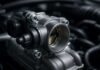
One of the most significant issues affecting Ford Puma models involves the engine management system. The electronic control unit (ECU) can develop faults that trigger warning lights on the dashboard.
These failures often manifest as reduced power output, irregular idling, and poor fuel economy. The problem typically stems from software glitches or hardware malfunctions within the control units.
Many owners report sudden engine cutting out whilst driving, which poses serious safety concerns. The issue affects both petrol and mild-hybrid variants, with the 1.0-litre EcoBoost engine being particularly susceptible.
Water ingress into the ECU housing can cause permanent damage, requiring complete unit replacement. This problem has prompted several Ford technical service bulletins addressing the engine management concerns.
Transmission problems
The Ford Puma’s PowerShift dual-clutch automatic transmission experiences notable reliability issues. Owners frequently report harsh gear changes, hesitation during acceleration, and complete transmission failure.
The dry dual-clutch system tends to overheat under normal driving conditions, particularly in stop-start traffic. This overheating causes premature wear of the clutch plate assemblies.
Shuddering during gear changes indicates worn clutch components, whilst delayed engagement suggests hydraulic system problems. The transmission control module can also fail, requiring reprogramming or replacement.
Manual transmission models experience fewer issues but still suffer from premature clutch wear and gear synchroniser problems. Third gear particularly shows signs of excessive wear in high-mileage vehicles.
Electrical system malfunctions
Ford Puma models demonstrate various electrical gremlins that frustrate owners. The central locking system frequently malfunctions, leaving doors either permanently locked or unable to secure properly.
Dashboard warning lights illuminate without apparent cause, including the ABS warning light and engine management light. These false alarms often result from poor electrical connections or faulty sensors.
The infotainment system experiences regular freezing and connectivity issues. Bluetooth pairing problems and touchscreen responsiveness concerns affect daily usability.
Window regulators fail prematurely, particularly on the driver’s side. The electric motors burn out due to excessive strain from poorly designed mechanisms.
Suspension component wear
The Ford Puma’s suspension system shows premature wear patterns, especially in the front suspension arms and bushings. These components typically last longer in comparable vehicles.
Owners notice increased road noise and poor ride quality as the suspension deteriorates. The rear shock absorbers also fail earlier than expected, affecting handling stability.
Ball joint failures occur more frequently than industry standards suggest they should. This creates safety concerns as worn ball joints can cause sudden wheel alignment changes.
The electronic damping system, where fitted, experiences sensor failures that prevent proper adjustment. This leaves the vehicle stuck in an inappropriate suspension mode.
Warning signs your car has a problem
Recognising early warning signs helps prevent minor issues from becoming expensive repairs. These symptoms indicate your Ford Puma requires attention:
- Dashboard warning lights illuminating unexpectedly
- Unusual engine noises or irregular idling patterns
- Transmission hesitation or harsh gear changes
- Electrical components functioning intermittently
- Steering pulling to one side during normal driving
- Excessive tyre wear on specific wheels
- Poor fuel economy compared to previous performance
- Difficulty starting the engine in cold conditions
Pay particular attention to any changes in your vehicle’s normal behaviour. Early intervention often prevents costly repairs and maintains safety standards.
How to fix the problems
| Problem | Solution | Estimated Cost |
|---|---|---|
| Engine management failure | ECU replacement and software update | £800-£1,500 |
| Transmission issues | Clutch pack replacement or full rebuild | £1,200-£3,000 |
| Electrical problems | Component replacement and wiring repair | £200-£800 |
| Suspension wear | Component replacement and alignment | £300-£1,200 |
Professional Tip: Always use genuine Ford parts or high-quality OEM equivalents when repairing your Puma. Cheap aftermarket components often fail prematurely, creating false economy.
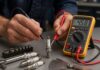
Address electrical issues by checking all connections and updating software to the latest versions. Many problems stem from loose connections rather than component failure.
For transmission problems, consider having the gearbox oil changed more frequently than Ford’s recommendations suggest. Fresh fluid can prevent premature wear.
| Maintenance Item | Ford Recommendation | Suggested Interval |
|---|---|---|
| Engine oil change | 12,500 miles | 10,000 miles |
| Transmission fluid | 150,000 miles | 60,000 miles |
| Brake fluid replacement | 24 months | 24 months |
| Coolant change | 200,000 miles | 100,000 miles |
Expert Advice: Regular preventative maintenance costs significantly less than emergency repairs. Following a strict service schedule prevents most major problems.
When to see a mechanic
Seek professional help immediately if you experience any safety-related symptoms. Engine cutting out whilst driving, brake system warnings, or steering problems require urgent attention.
Don’t ignore persistent warning lights, even if the car appears to drive normally. Modern diagnostic equipment can identify problems before they cause breakdowns.
Schedule repairs during the vehicle’s warranty period whenever possible. Ford’s warranty covers many of these known issues, saving substantial repair costs.
Choose mechanics familiar with Ford vehicles and their specific problems. Independent specialists often provide better value than main dealers whilst maintaining expertise levels.
Consider seeking second opinions for expensive repairs, particularly transmission rebuilds. Some issues can be resolved through software updates or minor component replacement rather than major overhauls.
How much does Ford Puma maintenance cost annually?
Annual maintenance costs typically range from £400-£800, depending on mileage and driving conditions. Higher costs often reflect transmission and electrical repairs.
Are Ford Puma electrical problems covered under warranty?
Most electrical faults are covered within the standard three-year warranty period. Extended warranties may cover additional electrical components beyond this timeframe.
Can transmission problems be prevented in Ford Puma models?
Regular fluid changes and avoiding aggressive driving can extend transmission life. However, design flaws make some issues unavoidable regardless of maintenance.
Which Ford Puma model years have the most problems?
Early production models (2019-2021) show higher failure rates. Later models incorporate some improvements but still experience similar fundamental issues.
Should I buy a used Ford Puma with known problems?
Consider vehicles with documented repair history and remaining warranty coverage. Avoid high-mileage examples without service records or warranty protection.
Final recommendation
The Ford Puma offers attractive styling and practical features but suffers from significant reliability concerns that potential buyers should carefully consider. Our automotive specialists at AutoPartsPro recommend thorough pre-purchase inspections and extended warranty coverage for used models.
Budget for higher-than-average maintenance costs, particularly for transmission and electrical repairs. Establish relationships with qualified Ford specialists who understand these vehicles’ specific requirements.
Current owners should prioritise preventative maintenance and address warning signs promptly. Regular servicing with quality components from AutoPartsPro can minimise unexpected failures and maintain vehicle reliability throughout ownership.

 Loading...