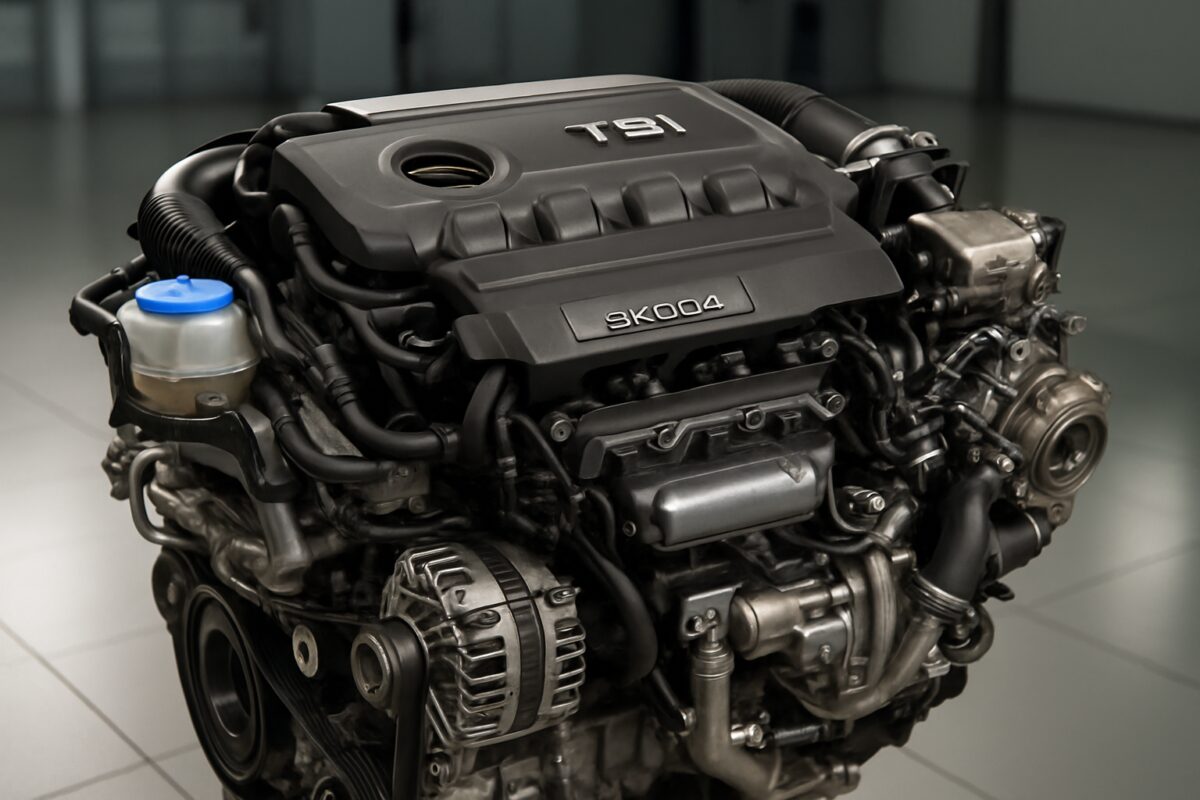
The Škoda Octavia stands as one of Europe’s most popular family cars, offering excellent build quality and impressive practicality in the competitive compact executive segment. The engine range plays a crucial role in the Octavia’s success, providing buyers with diverse options from efficient petrol units to robust diesel powerplants. Key specifications include power outputs ranging from 110bhp to 245bhp, torque figures spanning 200Nm to 370Nm, and engine types covering naturally aspirated petrols, turbocharged units, and advanced diesel technologies.
Comparison table of all engines
| Engine | Power output | Torque | Fuel consumption | Reliability |
|---|---|---|---|---|
| 1.0 TSI | 110bhp | 200Nm | 50-55mpg | Very Good |
| 1.5 TSI | 150bhp | 250Nm | 45-50mpg | Excellent |
| 2.0 TSI | 190-245bhp | 320-370Nm | 35-40mpg | Good |
| 1.6 TDI | 115bhp | 250Nm | 60-65mpg | Very Good |
| 2.0 TDI | 150-200bhp | 340-400Nm | 55-60mpg | Good |
1.0 TSI engine overview
The 1.0-litre TSI represents Škoda’s entry-level three-cylinder turbocharged petrol engine. This compact powerplant features direct injection technology and a single turbocharger, delivering 110bhp and 200Nm of torque. The unit operates on standard unleaded petrol with advanced fuel injection systems ensuring optimal combustion efficiency.
Pros
- Excellent fuel economy reaching 55mpg
- Low CO2 emissions for reduced road tax
- Smooth power delivery despite three-cylinder configuration
- Lightweight design improves handling characteristics
- Affordable maintenance costs with readily available spark plugs
Cons
- Limited power for motorway overtaking
- Three-cylinder vibration noticeable at idle
- Requires regular oil filter changes
- Turbocharger lag in low-speed situations
- Not suitable for heavy towing applications
1.5 TSI engine overview
The 1.5-litre TSI four-cylinder engine serves as the sweet spot in Škoda’s petrol lineup. This turbocharged unit incorporates cylinder deactivation technology and produces 150bhp with 250Nm of torque. Advanced direct injection and variable valve timing optimise performance across the rev range.
Pros
- Perfect balance of performance and economy
- Cylinder deactivation reduces fuel consumption
- Strong mid-range torque for everyday driving
- Refined operation with minimal vibration
- Proven reliability record across VAG group
Cons
- Higher purchase price than 1.0 TSI
- Requires premium unleaded for optimal performance
- Carbon build-up issues on direct injection systems
- Timing chain tensioner problems in early examples
- Higher insurance group classification
2.0 TSI engine overview
The 2.0-litre TSI represents Škoda’s high-performance petrol option, available in various states of tune from 190bhp to 245bhp in vRS models. This four-cylinder turbocharged unit features an upgraded turbocharger, forged internals in higher outputs, and sophisticated engine management systems.
Pros
- Impressive power delivery throughout rev range
- Excellent tuning potential for enthusiasts
- Strong acceleration and overtaking capability
- Suitable for performance-oriented driving
- Good build quality with robust internals
Cons
- Higher fuel consumption than smaller engines
- Expensive maintenance and repair costs
- Requires frequent brake pad replacement under spirited driving
- Turbocharger wear in high-mileage examples
- Premium fuel requirement increases running costs
1.6 TDI engine overview
The 1.6-litre TDI diesel engine provides exceptional fuel economy with 115bhp and 250Nm of torque. This four-cylinder common-rail diesel features a variable geometry turbocharger and advanced emission control systems including DPF technology.
Pros
- Outstanding fuel economy exceeding 60mpg
- Strong low-end torque for city driving
- Lower CO2 emissions than petrol equivalents
- Excellent long-distance cruising ability
- Proven durability in high-mileage applications
Cons
- DPF regeneration issues in short-journey use
- Higher noise levels than petrol engines
- Potential timing belt problems if neglected
- EGR valve cleaning requirements
- AdBlue system complexity in Euro 6 versions
2.0 TDI engine overview
The 2.0-litre TDI represents Škoda’s most powerful diesel option, delivering between 150-200bhp depending on specification. This four-cylinder unit features twin-turbocharging in higher outputs, advanced fuel injection systems, and comprehensive emission control technology.
Pros
- Excellent torque output up to 400Nm
- Superior fuel economy for a performance diesel
- Strong overtaking ability on motorways
- Suitable for towing heavy loads
- Well-refined operation for a diesel engine
Cons
- Complex emission control systems
- Expensive repairs when things go wrong
- DPF and EGR valve maintenance requirements
- Higher purchase price than petrol alternatives
- Potential dual-mass flywheel issues
Maintenance cost
| Engine | Recommended Interval | Estimated Cost | Cost per 10000 miles |
|---|---|---|---|
| 1.0 TSI | 12 months/10,000 miles | £180-220 | £220 |
| 1.5 TSI | 12 months/10,000 miles | £200-250 | £250 |
| 2.0 TSI | 12 months/10,000 miles | £280-350 | £350 |
| 1.6 TDI | 12 months/12,000 miles | £250-300 | £250 |
| 2.0 TDI | 12 months/12,000 miles | £320-400 | £320 |
Engine sound and character
Each Octavia engine delivers distinct acoustic characteristics that reflect its engineering philosophy. The 1.0 TSI produces a refined three-cylinder thrum with subtle turbo whistle during acceleration. At AutoPartsPro, our specialists note that whilst some customers initially worry about the three-cylinder configuration, the engine’s refinement levels consistently exceed expectations.
“Regular air filter replacement significantly improves engine sound quality and throttle response across all Octavia engines,” advises our head technician.
The 1.5 TSI offers classic four-cylinder smoothness with a purposeful note under acceleration. Cylinder deactivation creates minimal acoustic intrusion, maintaining refinement during part-throttle cruising. Performance-oriented 2.0 TSI variants deliver an aggressive exhaust note, particularly in vRS specifications with sport exhaust systems.
Diesel engines maintain characteristic compression ignition clatter, though modern sound insulation significantly reduces cabin noise levels. The 1.6 TDI operates quietly at cruising speeds, whilst the 2.0 TDI produces a more authoritative diesel rumble under load.
“Maintaining proper engine oil levels and grades dramatically affects engine noise levels and longevity,” explains our workshop manager.
Who each engine is best for
| Engine | Best for |
|---|---|
| 1.0 TSI | Daily commuters, city driving, first-time buyers |
| 1.5 TSI | Mixed driving patterns, family use, balanced performance |
| 2.0 TSI | Performance enthusiasts, motorway driving, tuning potential |
| 1.6 TDI | Long-distance drivers, economy-focused buyers, business users |
| 2.0 TDI | High-mileage drivers, towing requirements, fleet applications |
Our AutoPartsPro technicians recommend the 1.5 TSI for most buyers seeking optimal versatility. This engine provides sufficient performance for UK driving conditions whilst maintaining reasonable running costs. Performance enthusiasts should consider the 2.0 TSI variants, particularly when combined with proper maintenance schedules.
Frequently Asked Questions (FAQ)
Which Škoda Octavia engine is most reliable?
The 1.5 TSI demonstrates excellent reliability with proven VAG engineering. Proper maintenance intervals and quality parts ensure longevity across all variants.
Are Škoda Octavia diesel engines prone to DPF problems?
Short-journey driving can cause DPF issues. Regular motorway driving helps regeneration cycles. Consider petrol alternatives for predominantly urban use.
What’s the best Octavia engine for fuel economy?
The 1.6 TDI achieves exceptional fuel economy exceeding 60mpg. The 1.0 TSI offers best petrol economy at 55mpg combined.
Do Škoda Octavia engines require premium fuel?
Performance variants benefit from premium unleaded. Standard engines operate effectively on regular 95 octane fuel without performance penalties.
How often should Škoda Octavia engines be serviced?
Annual servicing or 10,000-12,000 mile intervals maintain warranty coverage. Severe conditions may require more frequent oil changes.

 Loading...