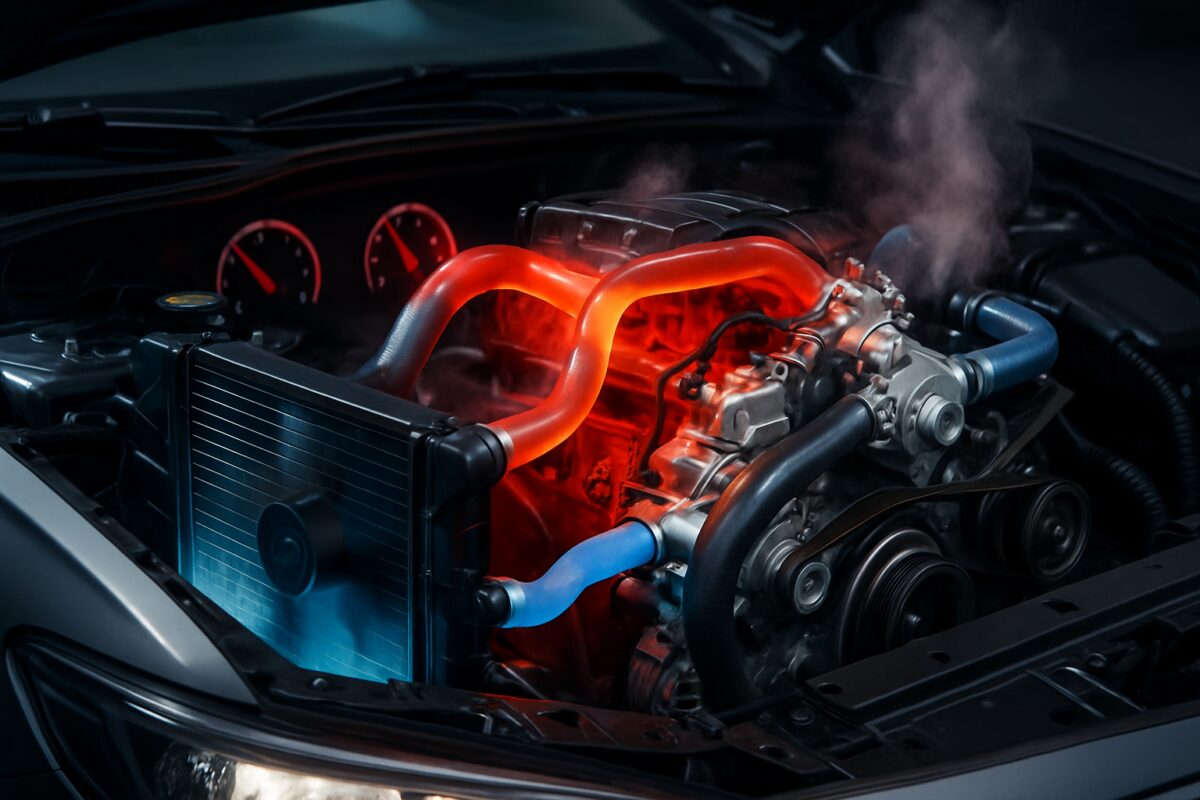
Engine overheating is one of the most serious problems that can affect your vehicle. When your car’s engine temperature rises beyond normal limits, it can cause severe damage that may cost thousands to repair. Understanding the normal operating temperature of your engine and recognising the early warning signs of overheating can save you from expensive repairs and potential roadside breakdowns.
Insufficient coolant levels
The most common cause of engine overheating stems from inadequate coolant levels in your vehicle’s cooling system. When engine radiator fluid drops below optimal levels, your engine cannot maintain proper operating temperatures.
Low coolant levels occur for several reasons. Small leaks in the cooling system may develop over time, particularly around hose connections, the radiator, or the water pump. These leaks often start small but gradually worsen, leading to significant coolant loss.
Always check your coolant level when the engine is cold. Hot coolant can cause severe burns and gives inaccurate readings due to thermal expansion.
Evaporation also plays a role in coolant loss, especially during hot weather or frequent short trips that don’t allow the cooling system to reach optimal efficiency. Regular maintenance checks can identify low coolant levels before they become critical problems.
Some drivers unknowingly use pure water instead of proper coolant mixture, which reduces the system’s effectiveness and can lead to corrosion within the cooling system components.
Faulty thermostat malfunction
A malfunctioning radiator thermostat represents another significant cause of engine overheating. This crucial component controls coolant flow between the engine and radiator, ensuring optimal operating temperature.
When thermostats fail, they typically stick in the closed position, preventing coolant circulation to the radiator. This creates a dangerous situation where hot coolant cannot release heat effectively, causing engine temperatures to soar rapidly.
Thermostat failure often occurs without warning. The component may work perfectly for years before suddenly malfunctioning. Age, corrosion, and contaminated coolant can accelerate thermostat deterioration.
Modern thermostats are designed to fail in the open position for safety reasons, but older vehicles may have thermostats that stick closed. Regular cooling system maintenance can help prevent thermostat-related overheating issues.
Blocked radiator problems
Radiator blockages severely compromise your engine’s cooling capacity. External blockages occur when dirt, leaves, insects, or road debris accumulate on the radiator fins, reducing airflow through the cooling system.
Internal blockages develop when rust, scale, or contaminated coolant creates deposits within the radiator tubes. These deposits restrict coolant flow, preventing effective heat transfer from the engine to the surrounding air.
Regular cleaning of the radiator’s external surface helps maintain proper airflow. Use a soft brush or compressed air to remove debris from between the fins. Avoid high-pressure washing, which can damage delicate cooling fins.
Professional cooling system flushes every 30,000 miles help prevent internal radiator blockages and extend system life.
Hard water areas are particularly prone to scale buildup within radiators. Using distilled water mixed with appropriate coolant concentrations reduces mineral deposits that can block internal passages.
Cooling fan failures
Electric cooling fans play a vital role in maintaining proper engine temperatures, especially during idle periods or slow-speed driving. When these fans fail, engines quickly overheat in traffic or urban driving conditions.
Fan motor failures are common culprits behind cooling system problems. Worn brushes, damaged windings, or seized bearings can prevent proper fan operation. Regular inspection of fan operation during engine warm-up cycles helps identify potential problems early.
Faulty fan relays or temperature sensors can also prevent cooling fans from activating when needed. These electrical components may fail intermittently, making diagnosis challenging for inexperienced mechanics.
Some vehicles use mechanical fans connected to the engine via fan clutches. These systems can fail when fan clutches wear out, reducing cooling effectiveness significantly.
Warning signs your car has a problem
Recognising early warning signs of engine overheating can prevent catastrophic damage to your vehicle. Monitor these symptoms closely:
- Temperature gauge reading higher than normal operating range
- Steam or white smoke emerging from under the bonnet
- Sweet smell indicating coolant leaks
- Coolant puddles under your parked vehicle
- Reduced heater effectiveness inside the cabin
Dashboard warning lights provide crucial information about your cooling system’s condition. Modern vehicles feature sophisticated monitoring systems that detect temperature anomalies before serious damage occurs.
Unusual engine sounds, such as knocking or pinging, may indicate overheating problems. These sounds suggest that internal engine components are experiencing excessive thermal stress.
How to fix the problems
| Problem | DIY Solution | Professional Required | Estimated Cost |
|---|---|---|---|
| Low coolant | Top up with correct mixture | No | £5-15 |
| Blocked radiator (external) | Clean with soft brush | No | £0-10 |
| Thermostat failure | Not recommended | Yes | £80-150 |
| Water pump failure | Not recommended | Yes | £200-400 |
| Fan motor replacement | Possible with experience | Recommended | £100-250 |
Simple maintenance tasks like checking coolant levels and cleaning radiator exteriors can be performed by most car owners. However, internal component replacements require professional expertise and specialised tools.
| Preventive Measure | Frequency | Benefits |
|---|---|---|
| Coolant level check | Monthly | Early leak detection |
| Radiator cleaning | Every 6 months | Optimal airflow maintenance |
| Cooling system flush | Every 3 years | Prevents internal corrosion |
| Thermostat replacement | Every 5-7 years | Reliable temperature control |
Regular maintenance significantly reduces the likelihood of overheating problems. Following manufacturer recommendations for coolant changes and system inspections helps ensure reliable operation.
When to see a mechanic
Seek professional assistance immediately if your temperature gauge reaches the red zone or warning lights illuminate. Continuing to drive with an overheating engine can cause irreversible damage to critical components.
Professional diagnosis becomes essential when multiple symptoms appear simultaneously or when simple solutions fail to resolve overheating problems. Experienced technicians possess diagnostic equipment and expertise necessary for accurate problem identification.
Complex repairs involving head gaskets, engine blocks, or internal cooling passages require professional intervention. These repairs demand specialised knowledge and tools that most DIY enthusiasts lack.
Annual cooling system inspections during routine services help identify potential problems before they cause breakdowns. Professional mechanics can spot early signs of component wear that untrained eyes might miss.
Frequently asked questions (FAQ)
What is normal engine operating temperature?
Most petrol engines operate optimally between 85-105°C, while diesel engines typically run slightly cooler at 80-95°C depending on design specifications.
How long can I drive with an overheating engine?
Stop driving immediately when overheating occurs. Continuing can cause catastrophic engine damage within minutes, requiring thousands in repairs.
Can I use water instead of coolant temporarily?
Pure water can be used briefly in emergencies, but proper coolant mixture provides essential corrosion protection and freeze prevention.
Why does my car overheat only in traffic?
Traffic overheating typically indicates cooling fan problems or restricted airflow through the radiator, requiring professional diagnosis and repair.
What should I do if steam appears from my bonnet?
Stop immediately, turn off the engine, and wait for complete cooling before investigating. Never remove the radiator cap while hot.
Final recommendation
Engine overheating represents one of the most serious threats to your vehicle’s longevity and your safety on the road. Our experienced mechanics at AutoPartsPro recommend implementing a proactive maintenance approach rather than waiting for problems to develop. Regular coolant level checks, annual cooling system inspections, and prompt attention to warning signs can prevent most overheating incidents.
The specialists at AutoPartsPro emphasise that modern cooling systems are remarkably reliable when properly maintained, but they require attention to function effectively. Invest in quality car maintenance practices and don’t ignore early warning signs. Remember that prevention costs significantly less than major engine repairs, and a well-maintained cooling system ensures reliable transportation for years to come.

 Loading...