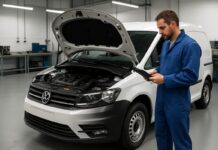
The Volkswagen Transporter has earned its reputation as a reliable workhorse across UK roads, but like any vehicle, it faces specific mechanical challenges. Understanding these common problems helps owners maintain their vans effectively and avoid costly repairs. From exhaust gas recirculation issues to electrical faults, we’ll explore the most frequent Transporter problems and practical solutions.
EGR valve failures
The exhaust gas recirculation valve represents one of the most persistent issues in VW Transporters, particularly in diesel models. This component recirculates exhaust gases back into the combustion chamber to reduce nitrogen oxide emissions and comply with environmental standards.
Carbon buildup frequently clogs the EGR valve, causing rough idling, reduced power output, and increased fuel consumption. The valve’s position in the exhaust system exposes it to extreme temperatures and corrosive gases, accelerating wear. Many owners notice black smoke from the exhaust, especially during acceleration.
Regular cleaning prevents complete failure, but replacement becomes necessary when the valve sticks permanently. Professional mechanics recommend checking the EGR valve every 60,000 miles. Some drivers opt for EGR delete modifications, though this affects emissions compliance and MOT testing.
Our specialists at Autopartspro suggest using quality diesel additives every few thousand miles to reduce carbon deposits in the EGR system.
Electric window malfunctions
Electric window problems plague VW Transporters across multiple generations, with window mechanisms failing prematurely. The issue typically manifests as windows moving slowly, making grinding noises, or stopping completely during operation.
Worn window regulators cause most failures, particularly the plastic components within the mechanism. Water ingress through door seals compounds the problem by corroding electrical connections and motor brushes. The driver’s side window experiences the most stress due to frequent use.
Replacement involves removing door panels and disconnecting electrical connections. Quality aftermarket window mechanisms offer reliable alternatives to expensive dealer parts. Prevention includes regular lubrication of window tracks and checking door seal integrity.
Professional repair costs range from £150-300 depending on whether the motor, regulator, or both require replacement. DIY enthusiasts can tackle this job with basic tools and patience.
AdBlue system complications
Modern VW Transporters equipped with AdBlue systems face unique challenges related to diesel exhaust fluid management. The system injects urea solution into the exhaust stream to reduce harmful emissions, but several components can fail.
AdBlue pumps commonly fail after 80,000-100,000 miles, causing warning lights and eventual engine power reduction. The system’s complex network of pipes, pumps, and injectors requires proper maintenance to function correctly. Contaminated AdBlue fluid accelerates component wear.
Tank heaters freeze in winter conditions, preventing proper AdBlue delivery. Quality sensors monitor fluid levels and purity, but these components also fail over time. Using genuine AdBlue fluid and avoiding cheap alternatives prevents many problems.
Repair costs vary significantly, with pump replacement reaching £800-1200 including labour. Regular system flushes and using quality AdBlue extend component life considerably.
Turbocharger problems
Diesel VW Transporters rely heavily on turbochargers for power delivery, making these components critical for performance. Turbo failures typically result from inadequate maintenance, contaminated oil, or excessive heat cycles.
Variable geometry turbochargers suffer from carbon buildup in the vane mechanism, causing reduced boost pressure and power loss. Oil starvation during rapid engine shutdowns after hard driving damages turbo bearings irreparably.
Warning signs include blue or white exhaust smoke, whistling noises during acceleration, and significant power reduction. The turbocharger requires immediate attention when these symptoms appear to prevent complete failure.
Replacement costs range from £1200-2000 for genuine units, while reconditioned alternatives offer savings. Regular oil changes using manufacturer-specified grades prevent most turbo problems.
Warning signs your car has a problem
Recognising early warning signs prevents minor issues becoming major failures. VW Transporters display specific symptoms when problems develop.
- Dashboard warning lights illuminating intermittently or permanently
- Unusual noises from the engine bay, particularly grinding or squealing sounds
- Changes in engine performance, including rough idling or power loss
- Excessive exhaust smoke in black, blue, or white colours
- Electrical systems behaving erratically or failing completely
Engine management lights indicate serious problems requiring immediate diagnostic attention. Ignoring these warnings often leads to expensive repairs that could have been prevented with early intervention.
How to fix the problems
Addressing VW Transporter problems requires systematic approaches and quality components. Professional diagnosis identifies root causes rather than treating symptoms.
| Problem | Quick Fix | Permanent Solution | Cost Range |
|---|---|---|---|
| EGR Valve | Clean valve thoroughly | Replace complete valve | £200-400 |
| Electric Windows | Lubricate tracks | Replace window regulator | £150-300 |
| AdBlue System | Reset system codes | Replace pump/sensors | £400-1200 |
| Turbocharger | Clean vane mechanism | Replace/rebuild unit | £800-2000 |
Regular maintenance prevents most problems, while quality replacement parts ensure lasting repairs. Using genuine or OEM-equivalent components saves money long-term by reducing failure rates.
Always address warning signs immediately rather than hoping problems will resolve themselves – early intervention saves significant repair costs.
| Maintenance Task | Frequency | Benefit |
|---|---|---|
| Oil Changes | Every 10,000 miles | Prevents turbo damage |
| EGR Cleaning | Every 30,000 miles | Maintains emissions compliance |
| AdBlue Top-up | As required | Prevents system failures |
| Window Lubrication | Every 6 months | Extends mechanism life |
When to see a mechanic
Professional mechanical expertise becomes essential when DIY repairs exceed your skill level or when diagnostic equipment is required. VW Transporters contain complex systems requiring specialist knowledge.
Seek professional help immediately when engine management lights appear, as these indicate problems requiring diagnostic scanning. Turbocharger issues demand immediate attention to prevent catastrophic engine damage. Starting problems often indicate multiple system failures requiring comprehensive diagnosis.
Electrical problems beyond basic component replacement require professional troubleshooting. Complex systems like AdBlue require specialist diagnostic equipment and software updates. Professional mechanics possess the tools and knowledge to identify root causes efficiently.
Choose mechanics experienced with VW commercial vehicles, as they understand common problems and efficient repair procedures. Independent specialists often provide better value than main dealers while maintaining quality standards.
Frequently asked questions
How often should I clean my EGR valve?
Clean the EGR valve every 30,000-40,000 miles or when performance issues develop to prevent complete failure and maintain emissions compliance.
Why do VW Transporter electric windows fail so frequently?
Plastic components in the window regulator mechanism wear out due to frequent use and exposure to moisture and temperature changes.
Can I drive with a faulty AdBlue system?
Yes, temporarily, but the system will eventually limit engine power and prevent starting to enforce emissions compliance requirements.
What causes turbocharger failure in VW Transporters?
Poor maintenance, contaminated oil, carbon buildup, and inadequate warm-up or cool-down procedures cause most turbocharger failures in these vehicles.
Are VW Transporter problems expensive to repair?
Repair costs vary significantly depending on the problem, but using quality aftermarket parts and preventive maintenance reduces overall expenses considerably.
Final recommendation
VW Transporter ownership requires proactive maintenance to prevent common problems developing into expensive failures. Regular servicing using manufacturer-specified fluids and components significantly extends vehicle life while maintaining reliability. The Transporter’s reputation for durability depends largely on proper care and immediate attention to warning signs.
Invest in quality replacement parts when repairs become necessary, as cheap alternatives often fail prematurely. Professional diagnosis saves money by identifying root causes rather than replacing components unnecessarily. With proper maintenance and prompt repairs, VW Transporters provide years of reliable service despite these common problems. Consider establishing relationships with trusted mechanics familiar with commercial Volkswagen vehicles for the best long-term results.

 Loading...