Your clutch system is crucial for smooth gear changes and power transfer from engine to wheels. When problems arise, they often manifest as burning smells and overheating symptoms. Understanding these issues and their solutions helps maintain your vehicle’s performance whilst avoiding costly repairs down the road.
Worn clutch disc causes burning odour
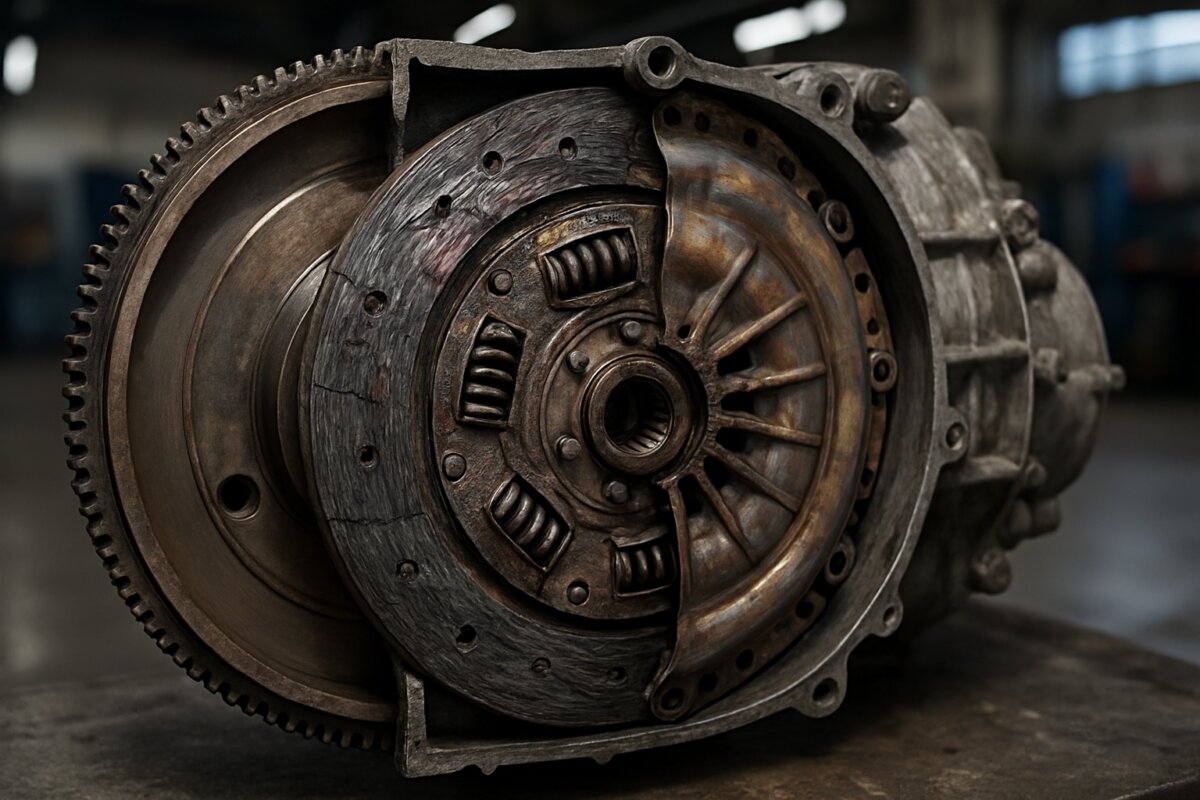
A burning smell from your clutch typically indicates a worn-out friction disc. The clutch disc sits between the flywheel and pressure plate, creating friction to engage and disengage power transmission. When the friction material deteriorates, metal-on-metal contact occurs during engagement.
This problem develops gradually through normal wear or aggressive driving habits. Riding the clutch pedal, frequent hill starts, or towing heavy loads accelerate disc wear. You’ll notice the burning smell becomes stronger during gear changes, particularly when moving off from stationary positions.
The friction material on the disc becomes glazed and hardened, reducing its ability to grip properly. This creates slippage, generating excessive heat and that distinctive acrid odour. Left unaddressed, complete clutch failure becomes inevitable, leaving you stranded.
Our Autopartspro specialists recommend checking your clutch plate condition at regular service intervals. Early detection prevents more expensive damage to the flywheel and pressure plate components.
Pressure plate overheating from heavy use
The pressure plate applies force to clamp the clutch disc against the flywheel. Under extreme conditions, this component overheats and warps, causing engagement problems. Heavy traffic, aggressive driving, or carrying excessive loads contributes to this overheating.
Symptoms include juddering during clutch engagement, difficulty finding gear positions, and a burning smell emanating from the transmission area. The pressure plate’s diaphragm spring loses tension when overheated, reducing clamping force significantly.
Warped pressure plates create uneven contact with the clutch disc, leading to premature wear of both components. The surface becomes scored and discoloured, indicating heat damage that cannot be reversed through adjustment or lubrication.
Commercial drivers and performance enthusiasts face this issue more frequently. Using proper driving techniques and allowing cooling periods during intensive use helps prevent pressure plate damage. Quality replacement parts from trusted suppliers ensure longevity.
Hydraulic system failure creates overheating
Modern vehicles use hydraulic clutch systems instead of cable-operated mechanisms. The clutch master cylinder and slave cylinder work together to operate the clutch mechanism through brake fluid pressure.
When seals fail in these components, fluid leaks occur, reducing system pressure. This forces you to press the pedal harder and hold it longer, creating additional heat in the clutch assembly. The symptoms include a spongy pedal feel and delayed engagement.
Internal seal deterioration allows brake fluid to bypass, preventing proper clutch release. The partially engaged clutch generates friction heat continuously, leading to rapid component wear and that telltale burning odour.
Contaminated brake fluid accelerates seal failure. Moisture absorption changes the fluid’s boiling point, creating air bubbles under pressure. Regular fluid changes and system bleeding prevent these hydraulic complications from developing.
Release bearing noise and heat problems
The clutch release bearing operates only when you depress the pedal. This component separates the pressure plate from the clutch disc, allowing gear changes. Bearing failure creates noise, heat, and engagement difficulties.
A worn release bearing produces squealing or grinding sounds when the clutch pedal is pressed. The bearing races become rough, generating friction heat that transfers through the system. This additional thermal load compounds existing clutch problems.
Carbon brush contamination in older vehicles affects bearing performance. Modern sealed bearings eliminate this issue but still require replacement when worn. The bearing typically fails gradually, giving warning signs before complete breakdown.
Poor lubrication accelerates bearing wear. Some bearings require periodic greasing, whilst others are maintenance-free. Checking your vehicle’s service schedule ensures proper bearing care and prevents premature failure.
>
Professional tip: Never ignore clutch pedal vibration or unusual noises. These early warning signs prevent expensive transmission damage and roadside breakdowns.
Warning signs your car has a problem
Recognising clutch problems early saves money and prevents dangerous situations. Your vehicle communicates through various symptoms that indicate developing issues within the clutch system.
- Burning smell during gear changes or hill climbing
- Clutch pedal feels spongy or requires excessive pressure
- Gear engagement becomes difficult or impossible
- Engine revs increase without corresponding acceleration
- Unusual noises when pressing or releasing the clutch pedal
Temperature-related symptoms often accompany mechanical problems. The engine radiator works harder when the clutch slips, as the engine produces extra heat trying to overcome the power loss.
Vibration through the pedal or gear stick indicates warped components. These mechanical disturbances worsen over time, eventually causing complete system failure if left unaddressed.
How to fix the problems
| Problem | Solution | Difficulty Level |
|---|---|---|
| Worn clutch disc | Replace complete clutch kit | Advanced |
| Pressure plate overheating | Install new pressure plate assembly | Advanced |
| Hydraulic system failure | Replace master/slave cylinders, bleed system | Intermediate |
| Release bearing noise | Fit new release bearing | Advanced |
| Contaminated brake fluid | Flush and refill hydraulic system | Basic |
Most clutch repairs require transmission removal, making them complex jobs for home mechanics. However, some preventive maintenance tasks can be performed without specialist equipment.
Quality replacement parts ensure reliable repairs. Using genuine or OEM-equivalent components from reputable suppliers like Autopartspro provides peace of mind and warranty protection for your investment.
Expert advice: Always replace clutch components as a complete kit. Mixing old and new parts reduces system reliability and shortens component lifespan significantly.
| Maintenance Task | Frequency | Benefit |
|---|---|---|
| Check brake fluid level | Monthly | Prevents hydraulic failure |
| Inspect clutch cable adjustment | Every 6 months | Ensures proper engagement |
| Test pedal operation | Weekly | Detects developing problems |
| Listen for unusual noises | Daily | Early problem identification |
Regular maintenance prevents most clutch problems from developing. Simple checks like monitoring the brake fluid level and testing pedal feel help identify issues before they become expensive repairs.
When to see a mechanic
Professional diagnosis becomes essential when symptoms persist or worsen despite basic maintenance. Clutch repairs require specialist knowledge and equipment for safe, effective completion.
Seek immediate professional help if the clutch pedal sticks to the floor or you cannot engage gears. These symptoms indicate complete system failure requiring urgent attention to avoid further damage.
Grinding noises during operation suggest metal-on-metal contact, indicating severely worn components. Continuing to drive risks damage to the flywheel surface, significantly increasing repair costs.
- Complete loss of clutch engagement
- Persistent burning smells after basic maintenance
- Hydraulic fluid leaks under the vehicle
- Clutch pedal remains stuck in any position
- Grinding or screeching noises during operation
Professional mechanics have access to diagnostic equipment and specialist tools required for clutch system repairs. They can accurately identify problems and recommend appropriate solutions based on vehicle age and condition.
Warranty considerations also favour professional repairs. Most quality parts suppliers offer extended warranties when components are fitted by qualified technicians, providing additional value and peace of mind.
Frequently asked questions (FAQ)
What causes a clutch to smell like it’s burning?
Burning smells indicate friction material overheating due to slippage. This occurs when the clutch disc wears thin or hydraulic pressure drops.
How long can I drive with a slipping clutch?
Continued driving risks expensive flywheel damage. Schedule repairs immediately when slippage becomes noticeable to prevent escalating costs.
Why does my clutch pedal feel spongy or soft?
Spongy pedals indicate air in the hydraulic system or failing seals. Bleeding the system or replacing cylinders typically resolves this issue.
Can I replace just the clutch disc without changing other parts?
Complete kit replacement ensures reliability. Mixing old and new components reduces system performance and increases the likelihood of premature failure.
What’s the average lifespan of a clutch system?
Typical clutches last 60,000-100,000 miles depending on driving conditions. City driving and heavy loads reduce lifespan compared to motorway use.
Final recommendation
Clutch problems rarely resolve themselves and typically worsen without intervention. Early diagnosis and quality repairs prevent expensive complications like flywheel damage or complete transmission failure.
Our Autopartspro specialists recommend addressing burning smells and overheating symptoms promptly. Using genuine replacement parts from our extensive clutch kit selection ensures reliable, long-lasting repairs that restore your vehicle’s performance.
Prevention through proper driving techniques and regular maintenance extends clutch life significantly. However, when replacement becomes necessary, professional fitting combined with quality components from trusted suppliers delivers the best value and reliability for UK motorists.

 Loading...