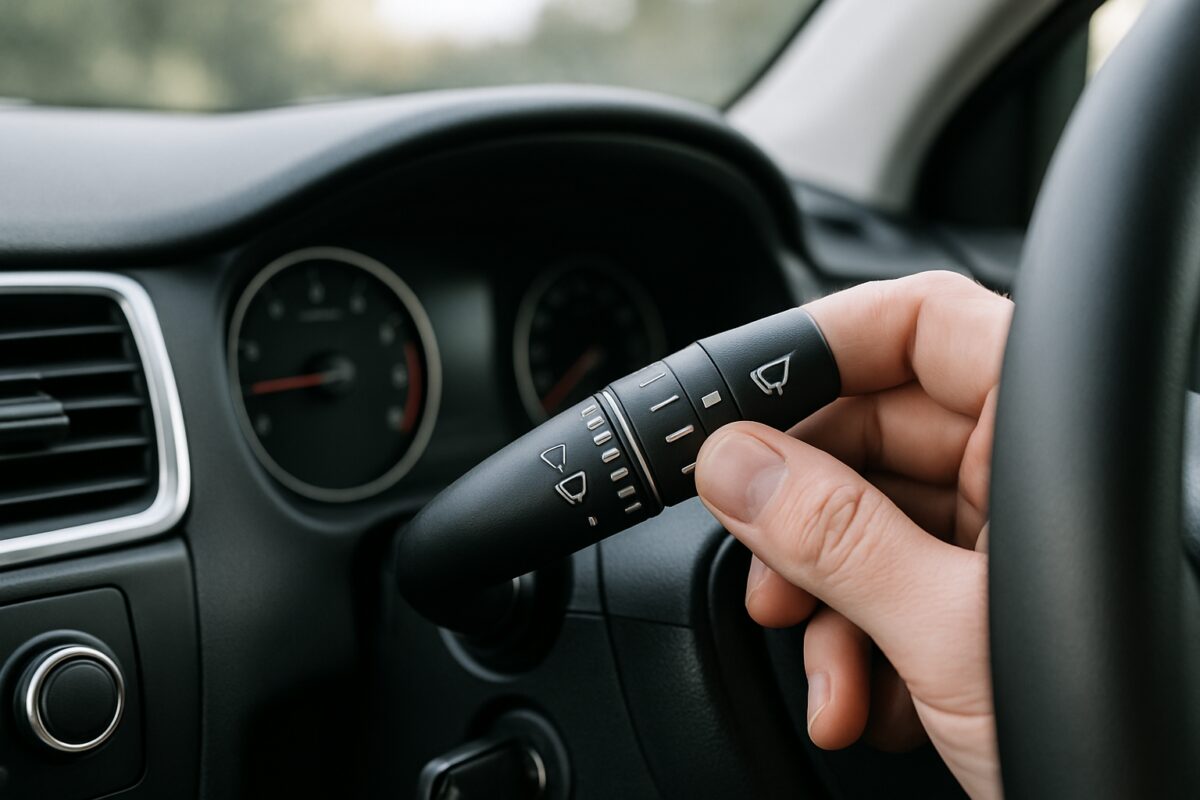
To reset windshield wipers, turn off your engine, switch the ignition to position 1 or accessory mode, then move the wiper stalk to the down position for 2-3 seconds before turning it off. This process recalibrates the wiper motor’s home position and resolves most timing and positioning issues. If the problem persists, check the windscreen wipers for mechanical faults or replace worn components.
Tools & parts required
Before starting the reset procedure, gather the necessary tools and components to ensure a smooth process.
Parts needed:
- Replacement wiper blades (if worn)
- Wiper motor relay (if faulty)
- Wiper linkage components
- Fuses (appropriate amperage)
Tools required:
- Multimeter
- Socket set
- Screwdriver set
- Wire brush
- Contact cleaner
Always ensure replacement parts match your vehicle’s make, model, and year for proper fit and function.
Safety precautions
Working with wiper systems requires basic safety measures to prevent injury and electrical damage.
- Disconnect the battery negative terminal when performing electrical work
- Work in a dry environment
- Wear safety glasses when using cleaning chemicals
- Keep hands clear of moving wiper arms
- Use proper lifting techniques when removing heavy components
Step-by-step instructions
Follow this systematic approach to reset your windshield wipers effectively.
Step 1: Initial preparation
Turn off the engine completely and ensure the vehicle is parked on level ground. Check that the wiper blades aren’t frozen to the windscreen, as this can damage the motor during reset.
Step 2: Access wiper controls
Turn the ignition key to position 1 (accessory mode) without starting the engine. This powers the wiper system whilst keeping the engine off. Locate the wiper control stalk on the steering column.
Step 3: Perform the reset sequence
Move the wiper stalk to the intermittent or slow position, then immediately switch to the off position. Hold for 2-3 seconds, then turn back to intermittent. The wipers should move to their park position and stop at the bottom of the windscreen.
Step 4: Test wiper operation
Cycle through all wiper speeds to verify proper operation. Check that wipers park correctly in the down position when turned off. Test the washer function to ensure integrated systems work properly.
Step 5: Final verification
Start the engine and test wipers under normal operating conditions. Verify that timing intervals match the selected speed settings. If problems persist, inspect the wiper motor and linkage for mechanical issues.
Common mistakes to avoid
Several errors can complicate the reset process or damage wiper components.
- Forcing wipers that are frozen to the windscreen
- Attempting reset with engine running
- Ignoring worn wiper blades that affect motor performance
- Skipping the proper sequence order
- Not checking fuse condition before reset
Professional mechanics at AutoPartsPro recommend checking wiper blade condition before any reset procedure, as worn blades can cause excessive motor strain and prevent proper calibration.
When should you reset your wipers?
Several symptoms indicate your wipers need resetting to restore proper function.
Reset wipers when they stop in the wrong position, operate at incorrect speeds, or make unusual noises. Common triggers include battery disconnection, electrical system faults, or after replacing wiper components. If your wipers sweep beyond their normal range or fail to park properly, a reset usually resolves these issues.
Additional signs include intermittent mode not working correctly, wipers running when switched off, or delayed response to control inputs. After jump-starting your vehicle or electrical repair work, always verify wiper operation and reset if necessary.
Related maintenance you can do at the same time
Maximise efficiency by performing complementary maintenance tasks during wiper reset.
Replace worn wiper blades and check the windscreen washer reservoir fluid level. Inspect wiper arm springs for proper tension and clean the windscreen thoroughly. Test the windscreen washer jets for blockages and adjust spray patterns if needed.
This comprehensive approach ensures optimal visibility and extends component life. Consider checking related electrical connections and fuses whilst the system is accessible. For more maintenance tips, read our guide on windscreen wiper replacement.
Frequently asked questions
How often should I reset my windshield wipers?
Reset wipers only when experiencing operational problems, not as routine maintenance. Properly functioning wipers don’t require regular resets.
Can I reset wipers with the engine running?
No, always turn off the engine and use accessory mode. Running engines can interfere with the reset sequence.
What if the reset doesn’t work?
Check fuses, inspect wiper motor connections, and verify linkage isn’t damaged. Persistent issues may require professional diagnosis.
Will resetting wipers affect my car’s warranty?
Basic wiper resets don’t void warranties. However, avoid disassembling components if your vehicle is under manufacturer warranty.
How do I know if my wiper motor needs replacement?
Signs include grinding noises, wipers moving slowly despite reset, or complete failure to operate after successful reset.
Understanding wiper reset procedures empowers you to maintain optimal visibility safely and cost-effectively. Our automotive specialists recommend performing this simple maintenance task whenever wiper behaviour seems irregular, ensuring your driving safety isn’t compromised by poor visibility. For reliable replacement parts and professional advice, explore our comprehensive selection of quality wiper components designed for UK driving conditions.

 Loading...