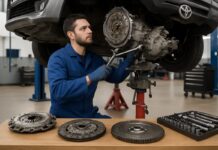
Low engine oil pressure occurs when your engine’s lubrication system fails to maintain adequate pressure to circulate oil effectively. This typically manifests through dashboard warning lights, unusual engine noises, or performance issues. Common causes include worn oil pumps, damaged bearings, oil leaks, or using incorrect oil viscosity. Immediate action involves checking oil levels, inspecting for leaks, and seeking professional diagnosis to prevent catastrophic engine damage.
Tools & parts required
Diagnosing and addressing low engine oil pressure requires specific tools and replacement parts. Having the right equipment ensures accurate assessment and proper repairs.
Parts needed:
- Engine oil (correct viscosity grade)
- Oil filter (vehicle specific)
- Oil pressure sensor (if faulty)
- Oil pump (for major repairs)
- Engine bearings (if worn)
Tools required:
- Oil pressure gauge
- Socket set
- Oil drain pan
- Funnel
- Jack and axle stands
- Multimeter
- Torque wrench
Always ensure oil specifications match your engine type and manufacturer recommendations. Using incorrect viscosity can worsen pressure problems and cause additional damage.
Safety precautions
Working with engine oil systems requires careful attention to safety protocols. Never ignore oil pressure warnings, as continued driving can cause irreversible engine damage.
- Stop driving immediately when oil pressure warnings appear
- Allow engine to cool before checking oil levels
- Wear safety gloves when handling oil
- Use proper lifting equipment when accessing undercarriage
- Dispose of used oil responsibly at recycling centres
Disconnect the battery before performing electrical diagnostics on oil pressure sensors. Work in well-ventilated areas to avoid inhaling fumes.
Step-by-step diagnosis instructions
Step 1: Check oil level and condition
Start with basic checks before complex diagnosis. Remove the dipstick and inspect oil level and quality. Low levels or contaminated oil often cause pressure problems.
Look for metal particles, excessive thickness, or thin consistency. Dark, gritty oil indicates contamination requiring immediate change.
Step 2: Verify dashboard warning accuracy
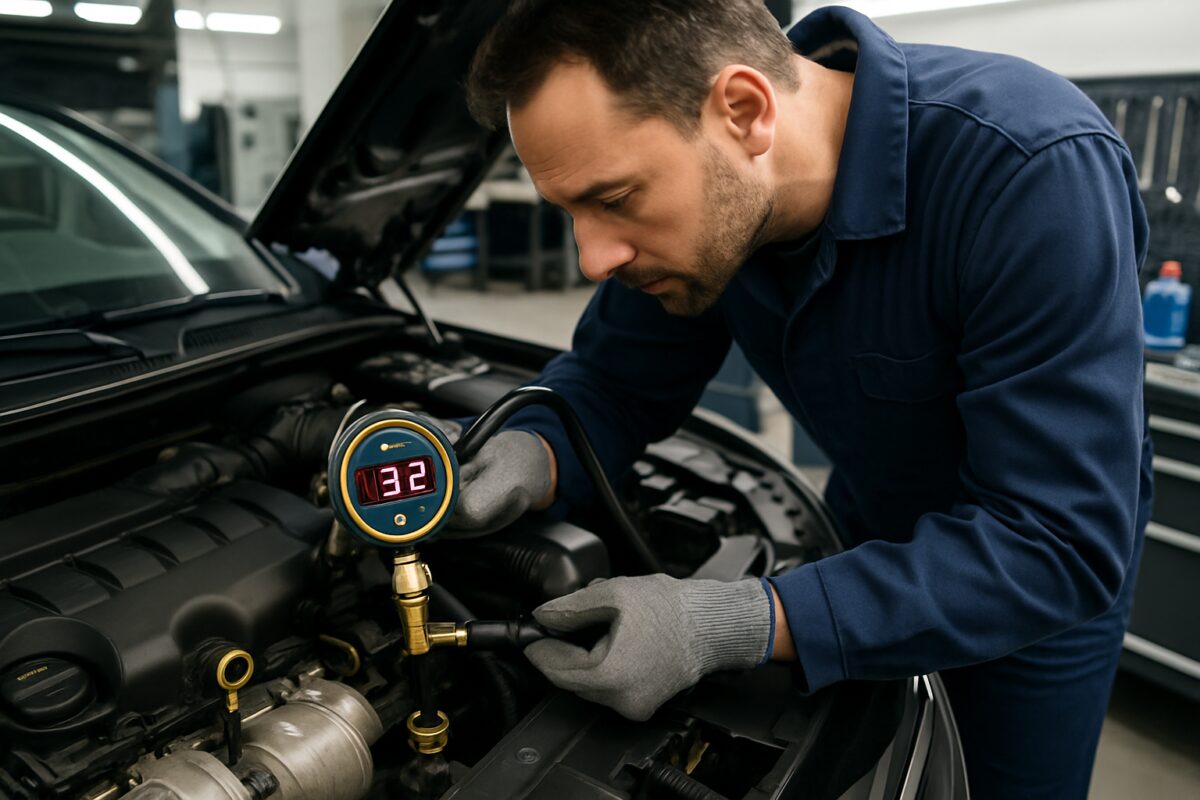
Connect an external oil pressure gauge to confirm dashboard readings. Remove the oil pressure sensor and install the gauge using appropriate fittings.
Run engine at idle and record pressure readings. Compare against manufacturer specifications found in service manuals.
Step 3: Test oil pressure sensor
Use a multimeter to test sensor resistance and voltage output. Faulty sensors create false low-pressure warnings without actual oil system problems.
Replace defective pressure switches with OEM-specification components to ensure accurate readings.
Step 4: Inspect for external leaks
Examine engine bay and undercarriage for oil leaks. Common leak points include oil pan gaskets, valve covers, and filter housings.
Clean suspected areas and run engine briefly to identify active leak sources. Mark leak locations for repair prioritisation.
Step 5: Assess internal engine condition
If external checks prove normal, internal engine problems likely exist. This requires professional diagnosis using specialised equipment.
Worn bearings, damaged oil pumps, or blocked passages need expert evaluation and repair.
Common mistakes to avoid
Several errors can worsen oil pressure problems or create new issues during diagnosis and repair.
- Continuing to drive with warning lights illuminated
- Using incorrect oil viscosity for engine specifications
- Overfilling oil reservoir during top-ups
- Ignoring small leaks that gradually worsen
- Mixing different oil types or brands
- Delaying filter changes during oil services
“Always use manufacturer-specified oil grades. Using thicker oil won’t fix worn bearings and may actually reduce flow rates,” advises Autopartspro’s senior technician.
Replacing sensors without checking actual oil pressure leads to recurring problems. Always verify mechanical systems before assuming electrical faults.
When should you address oil pressure issues?
Oil pressure problems require immediate attention regardless of severity. Different symptoms indicate varying urgency levels for repairs.
Immediate action required:
- Red oil pressure warning light
- Knocking or grinding engine noises
- Complete loss of oil pressure readings
- Visible oil leaks creating puddles
Schedule repairs soon:
- Intermittent pressure warnings
- Gradually decreasing pressure readings
- Minor oil consumption increases
- Slight engine noise during startup
Regular oil changes every 6,000-10,000 miles help prevent pressure problems. Check our DIY oil change guide for proper maintenance procedures.
Related maintenance you can do at the same time
When addressing oil pressure issues, consider performing related maintenance tasks for comprehensive engine care.
Replace the air filter during oil system repairs to ensure clean airflow. Contaminated air filters reduce engine efficiency and increase oil contamination rates.
Check spark plugs for carbon buildup indicating combustion problems. Faulty plugs can cause oil dilution through fuel washing cylinder walls.
Inspect cooling system components including radiator hoses and thermostats. Overheating damages oil viscosity and accelerates bearing wear.
“Oil pressure problems often reveal other engine issues. Comprehensive inspection during repairs prevents future breakdowns,” notes Autopartspro’s diagnostic specialist.
Consider upgrading to high-quality synthetic oil for better protection. Read about choosing the right engine oil for your vehicle.
Frequently asked questions
What causes sudden oil pressure drops?
Sudden pressure drops typically result from oil pump failure, major internal leaks, or complete oil loss through external leaks.
Can I drive with low oil pressure warnings?
Never continue driving with active oil pressure warnings. Stop immediately and check oil levels before seeking professional diagnosis.
How much does oil pressure repair cost?
Costs vary from £50 for sensor replacement to £2000+ for complete engine rebuilds depending on underlying problems.
Do oil additives fix pressure problems?
Additives provide temporary relief for minor seal leaks but cannot repair worn pumps, bearings, or mechanical damage.
How often should I check oil pressure?
Modern vehicles monitor pressure automatically, but manual checks during regular maintenance help identify developing problems early.
Understanding oil pressure problems helps maintain engine longevity and performance. Regular maintenance using quality components from trusted suppliers prevents most pressure-related issues. When problems occur, immediate diagnosis and proper repair restore reliable operation. For comprehensive engine care, explore our complete maintenance guide covering all essential systems and procedures.

 Loading...