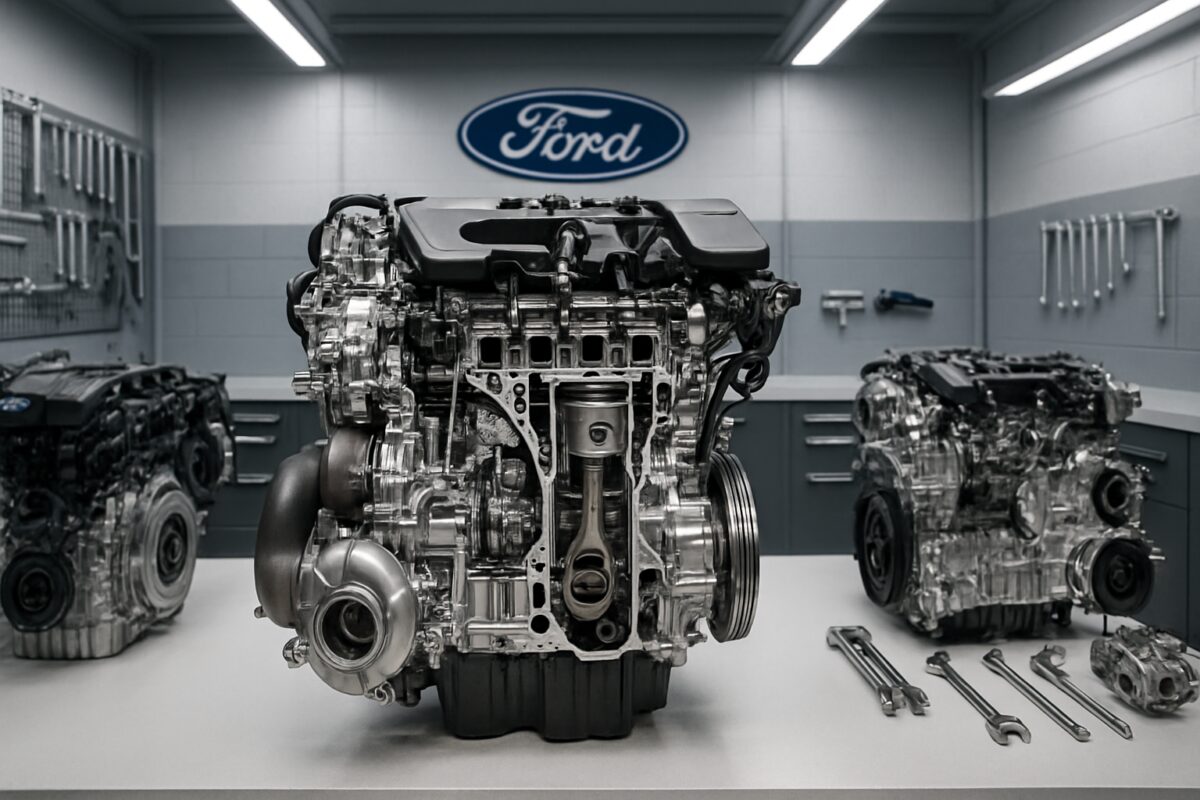
The Ford Focus stands as one of Britain’s most beloved compact cars, competing fiercely in the family hatchback segment against rivals like the Vauxhall Astra and Volkswagen Golf. The engine selection plays a crucial role in this model’s success, offering drivers a diverse range of powertrains from efficient turbocharged petrol units to robust diesel options. Whether you’re after the spirited 1.0 EcoBoost with 125hp or the performance-focused 2.3 EcoBoost RS delivering 350hp, the Focus engine lineup caters to every driving need and budget.
Comparison table of all engines
| Engine | Power output | Torque | Fuel consumption | Reliability |
|---|---|---|---|---|
| 1.0 EcoBoost | 100-155hp | 170-240Nm | 47-55mpg | Good |
| 1.5 EcoBoost | 150-180hp | 240-290Nm | 42-50mpg | Very Good |
| 2.0 EcoBoost | 250hp | 345Nm | 35-40mpg | Good |
| 2.3 EcoBoost RS | 350hp | 440Nm | 28-32mpg | Good |
| 1.5 TDCi | 95-120hp | 270-300Nm | 65-78mpg | Excellent |
| 2.0 TDCi | 150-185hp | 350-400Nm | 55-68mpg | Very Good |
1.0 EcoBoost overview
The 1.0 EcoBoost represents Ford’s commitment to downsizing without compromising performance. This three-cylinder turbocharged petrol engine features direct injection technology and variable valve timing. Available in multiple power outputs from 100hp to 155hp, it utilises a sophisticated turbocharger system to deliver impressive torque figures despite its compact displacement. The engine runs on standard unleaded petrol and employs Ford’s advanced fuel system for optimal efficiency.
Pros
- Excellent fuel economy achieving up to 55mpg
- Low CO2 emissions reducing road tax costs
- Responsive acceleration from low rpm
- Compact size allows for better weight distribution
- Proven reliability across multiple Ford models
Cons
- Three-cylinder vibration can be noticeable at idle
- Higher servicing costs due to complex turbo system
- Premium fuel recommended for optimal performance
- Turbo lag evident in lower power variants
- Potential coolant loss issues in early models
1.5 EcoBoost overview
The 1.5 EcoBoost strikes an excellent balance between performance and efficiency. This four-cylinder turbocharged petrol unit features cylinder deactivation technology, allowing it to run on two cylinders during light load conditions. The engine incorporates direct injection, variable valve timing, and an advanced turbocharger system. Power outputs range from 150hp to 180hp, making it ideal for drivers seeking both performance and economy. The sophisticated lubrication system ensures long-term reliability.
Pros
- Cylinder deactivation technology improves fuel economy
- Strong mid-range torque delivery
- Refined operation with minimal vibration
- Good power-to-weight ratio
- Excellent long-term reliability record
Cons
- Higher purchase price compared to 1.0 variant
- Complex engine management system
- Requires quality engine oil for optimal performance
- Cylinder deactivation can feel unusual initially
- More expensive to repair than naturally aspirated engines
2.0 EcoBoost overview
The 2.0 EcoBoost delivers serious performance credentials whilst maintaining reasonable fuel consumption. This four-cylinder turbocharged petrol engine features advanced direct injection, variable valve timing, and a sophisticated intercooler system. Producing 250hp and 345Nm of torque, it provides the Focus ST with genuine hot hatch performance. The engine runs on unleaded petrol and benefits from Ford’s latest combustion technology, requiring regular maintenance of components like the air filter for peak performance.
Pros
- Impressive power delivery throughout the rev range
- Relatively fuel efficient for a performance engine
- Proven motorsport heritage
- Strong acceleration and overtaking ability
- Good aftermarket support for modifications
Cons
- Higher insurance premiums due to performance classification
- Requires premium fuel for optimal performance
- More frequent servicing requirements
- Higher purchase and running costs
- Potential for increased tyre wear
2.3 EcoBoost RS overview
The flagship 2.3 EcoBoost RS engine represents the pinnacle of Ford Focus performance. This four-cylinder turbocharged petrol unit delivers 350hp and 440Nm of torque, transforming the Focus into a genuine performance car. The engine features advanced materials, sophisticated engine management, and a high-performance cooling system. Direct injection technology and variable valve timing optimise power delivery across the entire rev range. This powerplant demands high-quality components including premium spark plugs for reliable operation.
Pros
- Exceptional power output rivalling much larger engines
- Advanced all-wheel-drive system improves traction
- Outstanding acceleration and top speed capabilities
- Sophisticated engine management prevents damage
- Strong resale value due to limited production
Cons
- High fuel consumption especially during spirited driving
- Expensive maintenance and specialist servicing required
- Premium fuel mandatory for proper operation
- Higher insurance costs due to performance classification
- Limited availability and higher purchase price
1.5 TDCi overview
The 1.5 TDCi diesel engine prioritises efficiency without sacrificing drivability. This four-cylinder turbocharged diesel unit employs common-rail injection technology and variable geometry turbocharging. Available in power outputs from 95hp to 120hp, it delivers impressive torque figures of up to 300Nm. The engine meets Euro 6 emissions standards through advanced exhaust after-treatment systems. Regular maintenance of the oil filter ensures optimal performance and longevity.
Pros
- Outstanding fuel economy achieving up to 78mpg
- Low CO2 emissions reducing vehicle excise duty
- Excellent torque delivery for effortless cruising
- Proven reliability in various Ford applications
- Lower fuel costs compared to petrol equivalents
Cons
- Higher initial purchase price
- DPF regeneration requirements for city driving
- More complex exhaust after-treatment system
- Potential for expensive diesel system repairs
- Declining resale values due to diesel market changes
2.0 TDCi overview
The 2.0 TDCi represents Ford’s most powerful diesel offering in the Focus range. This four-cylinder turbocharged diesel engine combines performance with efficiency through advanced common-rail technology. Power outputs range from 150hp to 185hp, whilst torque figures reach up to 400Nm. The engine features sophisticated variable geometry turbocharging and meets stringent emissions standards. Professional maintenance of components including regular brake servicing using quality brake fluid ensures overall vehicle reliability.
Pros
- Strong performance with excellent overtaking ability
- Good fuel economy for a larger displacement engine
- High torque output ideal for towing applications
- Refined operation with minimal noise intrusion
- Suitable for high-mileage applications
Cons
- Higher servicing costs due to complex systems
- DPF and EGR valve maintenance requirements
- Premium pricing compared to smaller diesels
- Potential for expensive turbocharger repairs
- Declining diesel market acceptance
Maintenance cost
| Engine | Recommended Interval | Estimated Cost | Cost per 10,000 miles |
|---|---|---|---|
| 1.0 EcoBoost | 12,500 miles | £180-£250 | £144-£200 |
| 1.5 EcoBoost | 12,500 miles | £200-£280 | £160-£224 |
| 2.0 EcoBoost | 10,000 miles | £280-£380 | £280-£380 |
| 2.3 EcoBoost RS | 10,000 miles | £450-£650 | £450-£650 |
| 1.5 TDCi | 12,500 miles | £220-£320 | £176-£256 |
| 2.0 TDCi | 12,500 miles | £250-£350 | £200-£280 |
AutoPartsPro mechanics recommend following manufacturer service intervals religiously. The turbocharged engines require synthetic oils and quality filters to maintain warranty coverage. Diesel engines need additional attention to DPF and EGR systems, increasing service complexity.
Professional tip: Always use genuine or OEM-equivalent parts for critical engine components. Cheap alternatives can void warranties and cause expensive damage to sophisticated turbo systems.
Engine sound and character
Each Ford Focus engine delivers a distinct auditory experience. The 1.0 EcoBoost produces a characteristic three-cylinder thrum that’s quite charming once you become accustomed to it. The note deepens under acceleration, though some find the idle vibration intrusive.
The 1.5 EcoBoost offers a more conventional four-cylinder sound with a refined note throughout the rev range. Cylinder deactivation creates subtle changes in engine note during light throttle conditions.
Both 2.0 and 2.3 EcoBoost engines deliver performance-oriented soundtracks. The ST’s 2.0 produces an aggressive growl under acceleration, whilst the RS’s 2.3 creates an intoxicating symphony enhanced by its active exhaust system.
Diesel engines provide their own character. The 1.5 TDCi runs quietly at cruise but exhibits typical diesel clatter during cold starts. The 2.0 TDCi offers more refinement with superior sound insulation reducing noise intrusion into the cabin.
Expert insight: The Focus RS’s active exhaust system can be adjusted through drive modes, allowing drivers to enjoy performance sounds when desired whilst maintaining civility in residential areas.
Who each engine is best for
| Engine | Best for | Typical Use Case |
|---|---|---|
| 1.0 EcoBoost | Daily commuters, First-time buyers | Urban driving, School runs, Light motorway use |
| 1.5 EcoBoost | Balanced drivers, Family users | Mixed driving, Motorway cruising, Weekend trips |
| 2.0 EcoBoost | Performance enthusiasts, Keen drivers | Spirited driving, Track days, Performance modifications |
| 2.3 EcoBoost RS | Collectors, Track enthusiasts | Weekend driving, Track events, Enthusiast ownership |
| 1.5 TDCi | High-mileage drivers, Budget-conscious owners | Long commutes, Motorway driving, Commercial use |
| 2.0 TDCi | Long-distance drivers, Towing users | Caravan towing, Business use, High-mileage applications |
Which engine should I choose for my needs?
For most UK drivers, the 1.0 EcoBoost provides an excellent balance of performance and economy. Those seeking additional refinement should consider the 1.5 EcoBoost with cylinder deactivation technology. High-mileage drivers will appreciate the diesel options, particularly the frugal 1.5 TDCi.
Performance enthusiasts have two compelling choices. The 2.0 EcoBoost ST offers daily usability with serious performance credentials, whilst the limited-production RS delivers supercar-troubling acceleration figures.
Consider your annual mileage, driving patterns, and budget when making your decision. Remember that turbocharged engines require quality servicing and premium components to maintain reliability and performance.
Frequently Asked Questions (FAQ)
Which Ford Focus engine is most reliable?
The 1.5 TDCi diesel engine demonstrates exceptional reliability with proper maintenance, though the 1.5 EcoBoost petrol also shows excellent long-term dependability records.
What’s the best Ford Focus engine for fuel economy?
The 1.5 TDCi achieves the best fuel consumption figures, returning up to 78mpg under optimal conditions, making it ideal for high-mileage drivers.
Do Ford Focus turbocharged engines require premium fuel?
Most EcoBoost engines operate on regular unleaded, though premium fuel is recommended for the 2.0 and 2.3 variants to achieve optimal performance figures.
How often should I service my Ford Focus EcoBoost engine?
Follow Ford’s recommended 12,500-mile intervals for most engines, though performance variants like the RS require more frequent 10,000-mile service schedules.
Are Ford Focus diesel engines affected by DPF problems?
Modern TDCi engines include sophisticated DPF systems requiring regular regeneration cycles, particularly important for drivers making frequent short urban journeys to prevent blockages.
Understanding your Ford Focus engine options empowers you to make an informed purchasing decision. Whether prioritising efficiency, performance, or balanced characteristics, there’s a powerplant suited to your specific requirements. Regular maintenance using quality components ensures years of reliable service from whichever engine you choose.

 Loading...