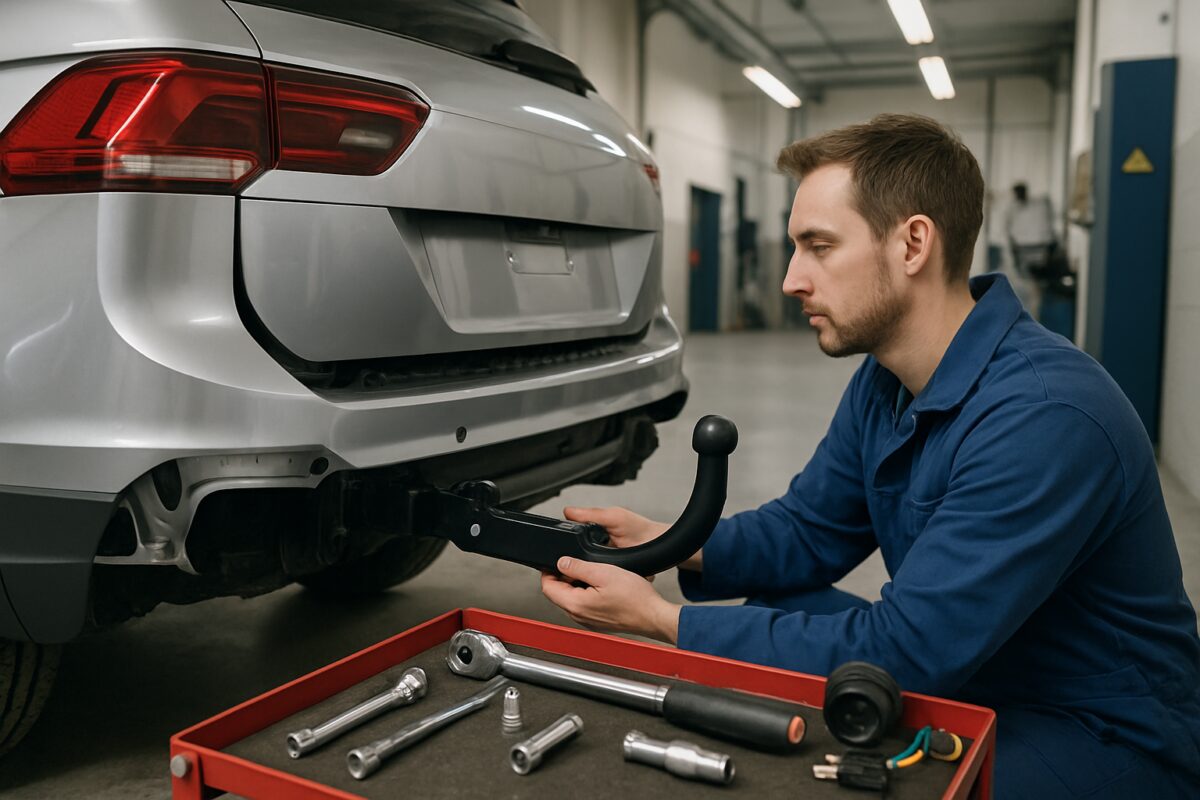
Tow bar fitting costs in the UK typically range from £150 to £800, depending on the vehicle type, tow bar style, and installation complexity. Most standard saloon and hatchback vehicles require a basic fixed or detachable tow bar costing £250-£400 including professional fitting, whilst larger SUVs and commercial vehicles may cost up to £600-£800 due to additional labour requirements and specialised equipment needs.
Understanding tow bar types and their pricing
The type of tow bar you choose significantly affects the total cost. Fixed tow bars represent the most economical option, typically costing £150-£300 including fitting. These permanently visible units offer excellent durability but cannot be removed when not in use.
Detachable tow bars cost more at £300-£500 fitted, providing the convenience of removal when towing isn’t required. Swan neck designs offer better ground clearance, whilst flange ball variants provide easier coupling with trailers.
Retractable tow bars represent the premium option, costing £500-£800 installed. These electrically operated systems disappear completely into the vehicle’s rear bumper, maintaining aesthetic appeal whilst offering full functionality.
Professional fitting versus DIY installation
Professional installation ensures compliance with UK regulations and maintains vehicle warranties. Qualified fitters typically charge £100-£200 for labour, depending on vehicle complexity and regional rates.
DIY installation might seem cost-effective, but requires specific tools, technical knowledge, and time. Our mechanics at Autopartspro strongly advise against self-fitting for several reasons:
- Incorrect installation compromises safety and legal compliance
- Warranty invalidation on both vehicle and tow bar
- Potential insurance claim rejection following accidents
- Risk of expensive damage to vehicle wiring systems
Vehicle-specific considerations affecting cost
Different vehicle types require varying installation approaches, directly impacting costs. Standard hatchbacks and saloons typically need 2-3 hours for installation, whilst SUVs and commercial vehicles may require 4-6 hours due to complex access requirements.
Modern vehicles with rear parking sensors, cameras, or electronic systems often need additional wiring modifications. These adaptations can add £50-£150 to the total cost but ensure proper integration with existing towbar systems.
Some manufacturers like BMW, Mercedes, and Audi require specific coding procedures for their electronic systems, potentially increasing costs by £100-£200 due to diagnostic equipment requirements.
| Vehicle Type | Installation Time | Typical Cost Range |
|---|---|---|
| Small Hatchback | 2-3 hours | £200-£350 |
| Family Saloon | 2-4 hours | £250-£400 |
| SUV/4×4 | 3-5 hours | £350-£600 |
| Commercial Van | 4-6 hours | £400-£800 |
Essential electrical work and wiring costs
Tow bar installation requires proper electrical connections for trailer lighting and braking systems. Standard 7-pin or 13-pin sockets need professional wiring to vehicle lighting circuits, typically adding £80-£150 to installation costs.
Modern vehicles often require bypass relays or smart modules to prevent conflicts with LED lighting systems or control units. These components ensure proper functionality whilst protecting sensitive electronic systems.
Twin electrics installations, required for caravan use, cost additional £100-£200 but provide dedicated charging circuits for leisure batteries and reversing camera compatibility.
- Basic 7-pin wiring: £80-£120 fitted
- 13-pin European socket: £100-£150 fitted
- Twin socket installation: £150-£250 fitted
- Bypass relay systems: £50-£100 additional
- Coding for premium vehicles: £100-£200 extra
Regional price variations across the UK
Tow bar fitting costs vary significantly across UK regions. London and Southeast England typically command premium rates 20-30% above national averages due to higher labour costs and premises expenses.
Northern England, Wales, and Scotland generally offer more competitive pricing, with many specialist installers charging £50-£100 less than southern counterparts for identical work.
Rural areas might have limited installer choice, potentially affecting pricing and appointment availability. However, mobile fitting services increasingly serve remote locations at competitive rates.
Additional costs and considerations
Several additional expenses might arise during tow bar installation. Bumper modifications or cutting requirements can add £50-£150, particularly on vehicles with integrated exhaust outlets or complex rear styling.
Some installations require mounting kit upgrades or reinforcement plates, adding £30-£80 to costs. Premium vehicles might need specialist tools or diagnostic equipment, incurring additional charges.
Insurance notification remains mandatory following tow bar installation. Most insurers don’t charge for this modification, but failure to declare can invalidate policies. Always confirm coverage before installation commences.
Professional tip: Always request itemised quotes showing parts and labour separately. This transparency helps compare offers and identifies any hidden charges before committing to installation.
Choosing quality components for long-term value
Investment in quality tow bar components pays dividends through longevity and reliability. Leading manufacturers like Witter, Thule, and Westfalia offer comprehensive warranties and superior corrosion resistance.
Cheap alternatives might save initial costs but often fail prematurely, requiring replacement within 2-3 years. Quality units typically last 10-15 years with minimal maintenance, providing better long-term value.
Our Autopartspro specialists recommend prioritising galvanised steel construction, stainless steel fixings, and comprehensive warranty coverage when selecting tow bar components.
| Component Quality | Initial Cost | Expected Lifespan | Warranty Period |
|---|---|---|---|
| Budget Options | £100-£200 | 2-4 years | 1 year |
| Premium Brands | £200-£400 | 10-15 years | 5-10 years |
Maintenance and ongoing costs
Proper tow bar maintenance extends component life and ensures continued safety. Annual inspections should check ball joint wear, electrical connections, and mounting bolt torque settings.
Detachable units require periodic lubrication of locking mechanisms and storage in dry conditions when removed. Salt exposure during winter requires thorough cleaning to prevent corrosion damage.
Replacement parts availability varies by manufacturer. Premium brands typically offer components for 15-20 years, whilst budget options might become obsolete within 5 years, necessitating complete replacement.
Legal requirements and certification
UK law requires tow bar installations to meet specific standards and carry appropriate certification. Professional installers provide compliance certificates confirming correct installation and load ratings.
Type approval documentation must accompany every installation, specifying maximum towing weights and nose weights for your specific vehicle. This paperwork proves legal compliance during MOT tests and insurance claims.
Installation must not compromise vehicle lighting, number plate visibility, or exhaust system operation. Professional fitters ensure all legal requirements are met whilst maintaining vehicle integrity.
Getting the best value installation
Obtaining multiple quotes from certified installers helps secure competitive pricing whilst ensuring quality standards. Many specialists offer price matching policies and seasonal discounts throughout the year.
Consider bundling tow bar installation with related purchases like brake controllers or trailer accessories for potential savings. Some installers offer package deals including wiring upgrades and extended warranties.
Timing installations during quieter periods often yields better prices and faster turnaround times. Avoid peak summer months when demand peaks and booking availability becomes limited.
When selecting a tow bar installation service, prioritise certified professionals with comprehensive insurance coverage and proven track records. The modest premium for quality installation provides peace of mind and long-term reliability that far outweighs any initial savings from budget alternatives. Understanding these costs and considerations ensures you make informed decisions that deliver safe, legal, and cost-effective towing solutions for your specific needs.
How much does a basic tow bar installation cost?
Basic fixed tow bar installation costs £200-£350 for most standard vehicles, including parts and professional fitting with standard 7-pin electrics.
Can I fit a tow bar myself to save money?
DIY fitting isn’t recommended as it risks warranty invalidation, insurance issues, and safety compliance. Professional installation ensures legal requirements are met.
What’s the price difference between detachable and fixed tow bars?
Detachable tow bars cost £100-£200 more than fixed versions due to complex mechanisms and additional installation time required.
Do modern cars need special wiring for tow bars?
Yes, modern vehicles often require bypass relays or coding for electronic systems, adding £50-£200 to installation costs depending on complexity.
How long does professional tow bar installation take?
Standard installations take 2-4 hours for most vehicles, whilst complex SUVs or commercial vehicles may require 4-6 hours for completion.

 Loading...