Replacing your Nissan clutch typically costs between £400-£1,200 depending on your model, chosen parts quality, and labour rates. Most Nissan vehicles require a complete clutch kit including pressure plate, friction disc, and release bearing for optimal performance and longevity.
Tools & parts required
A successful Nissan clutch replacement requires specific components and professional-grade tools to ensure proper installation and long-term reliability.
Parts needed:
- Complete clutch kit (vehicle-specific for your Nissan model)
- Clutch release bearing
- Flywheel (if resurfacing isn’t possible)
- Transmission fluid
- New gaskets and seals
Tools required:
- Engine hoist or support beam
- Transmission jack
- Socket set (metric sizes)
- Torque wrench
- Flywheel holding tool
- Clutch alignment tool
- Jack and axle stands
Always ensure your clutch kit matches your specific Nissan engine type and transmission configuration. Using incorrect specifications can lead to premature failure and costly repairs.
Safety precautions
Working beneath a vehicle poses significant risks that require proper safety measures and equipment to prevent serious injury.
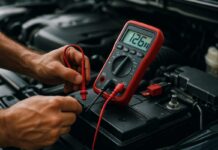
Ensure your workspace is level and well-ventilated. Use quality axle stands rated for your vehicle’s weight, never rely on jacks alone. Disconnect the battery negative terminal to prevent electrical shorts during component removal.
Wear safety glasses and work gloves throughout the procedure. Keep a fire extinguisher nearby when working with transmission fluids. The transmission assembly is extremely heavy, requiring proper lifting technique and equipment.
Step-by-step instructions
Follow these detailed steps to replace your Nissan clutch safely and effectively.
Step 1: Prepare the vehicle
Park on level ground and engage the handbrake. Remove the negative battery terminal and drain the transmission fluid into a suitable container. Raise the vehicle using a trolley jack and secure with rated axle stands.
Step 2: Remove transmission components
Disconnect the clutch slave cylinder and support the engine using an engine hoist. Remove the driveshafts, starter motor, and any interfering exhaust components. Mark the transmission position for reassembly reference.
Step 3: Remove the transmission
Support the transmission with a suitable jack and remove the bell housing bolts. Carefully lower the transmission, ensuring all electrical connections and fluid lines are disconnected. The unit is heavy, so take your time.
Step 4: Remove the old clutch
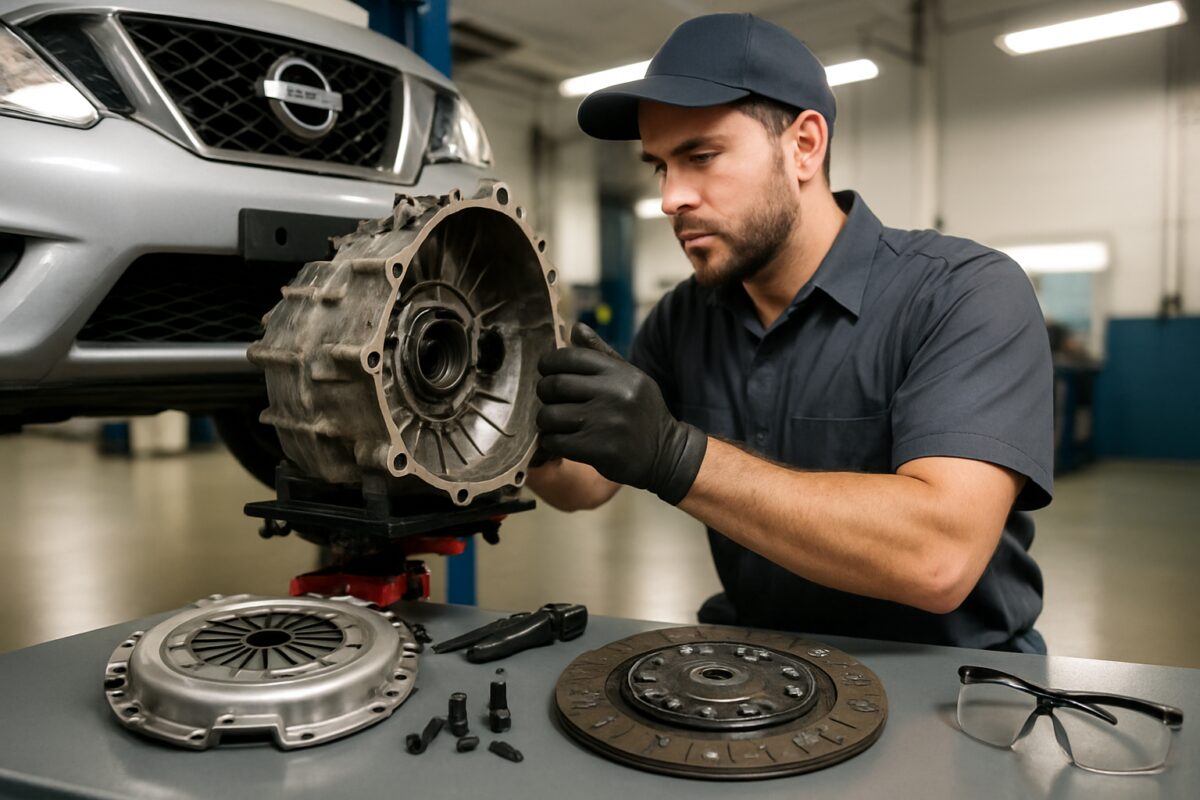
Use a flywheel holding tool to prevent rotation. Remove the pressure plate bolts in a cross pattern, working gradually to release spring tension. Remove the friction disc and inspect the flywheel for wear or damage.
Step 5: Install the new clutch
Clean the flywheel surface thoroughly and check for runout. Install the new friction disc using a clutch alignment tool. Mount the pressure plate and tighten bolts to manufacturer specifications using a torque wrench.
Step 6: Reassemble and test
Reinstall the transmission, ensuring proper alignment with the engine. Reconnect all components in reverse order, refill with fresh transmission fluid, and test clutch operation before road testing.
Common mistakes to avoid
Several critical errors can compromise your clutch replacement and lead to premature failure or safety issues.
Never reuse old pressure plate bolts, as they’re designed for single use and may fail under stress. Avoid contaminating the friction disc with oil or grease from your hands. Always use a clutch alignment tool rather than attempting alignment by eye.
Don’t overtighten pressure plate bolts beyond specification, as this can warp the pressure plate. Failing to properly support the engine during transmission removal can damage engine mounts or other components.
Ensure you follow the correct bolt tightening sequence and torque values. Using incorrect specifications can result in uneven clamping pressure and premature clutch failure.
When should you replace it?
Nissan clutches typically last 60,000-100,000 miles depending on driving conditions and habits, though city driving and frequent stop-start conditions can reduce lifespan significantly.
Watch for these warning signs: difficulty engaging gears, slipping under acceleration, burning smell during operation, or unusual pedal feel. A clutch pedal that stays on the floor or feels spongy often indicates hydraulic system problems.
Grinding noises when shifting or a high bite point suggest worn components requiring immediate attention. If your Nissan shows these symptoms, consider prompt clutch replacement to avoid damage to the flywheel or transmission.
“Always replace the clutch as a complete kit rather than individual components. This ensures balanced wear characteristics and optimal performance,” advises our senior technician at AutoPartsPro.
Related maintenance you can do at the same time
With the transmission removed, several related maintenance tasks become easily accessible and cost-effective to complete simultaneously.
Consider replacing the rear main crankshaft seal to prevent future oil leaks. Inspect and replace worn CV joints or drive shaft boots while they’re easily accessible. Check the condition of engine mounts and replace if showing signs of deterioration.
This is an ideal time to service the transmission with fresh fluid and filter replacement. Replace the air filter and inspect the exhaust system for damage or corrosion while you have improved access.
Frequently asked questions
How long does a Nissan clutch replacement take?
A professional clutch replacement typically takes 4-8 hours depending on your specific Nissan model and any additional complications encountered during removal.
Can I drive with a slipping clutch?
Driving with a slipping clutch risks further damage to the flywheel and pressure plate, potentially doubling repair costs through additional component replacement.
Should I replace the flywheel with the clutch?
Inspect the flywheel for scoring, heat damage, or excessive wear. Minor imperfections can be machined, but severely damaged flywheels require replacement.
What causes premature clutch failure in Nissan vehicles?
Common causes include riding the clutch pedal, aggressive driving, overloading, and failing to maintain proper hydraulic fluid levels in the system.
How do I know if my clutch hydraulic system needs attention?
Symptoms include soft or spongy pedal feel, difficulty engaging gears, or fluid leaks around the master or slave cylinder components.
“Don’t ignore early clutch warning signs. What starts as minor slipping can quickly escalate to complete failure, leaving you stranded,” warns our drivetrain specialist.
A properly executed Nissan clutch replacement using quality components and correct procedures will restore smooth gear changes and reliable operation. Understanding the replacement process helps you make informed decisions about professional installation versus DIY approaches, ensuring your vehicle receives the care it deserves with properly specified parts for lasting performance.

 Loading...