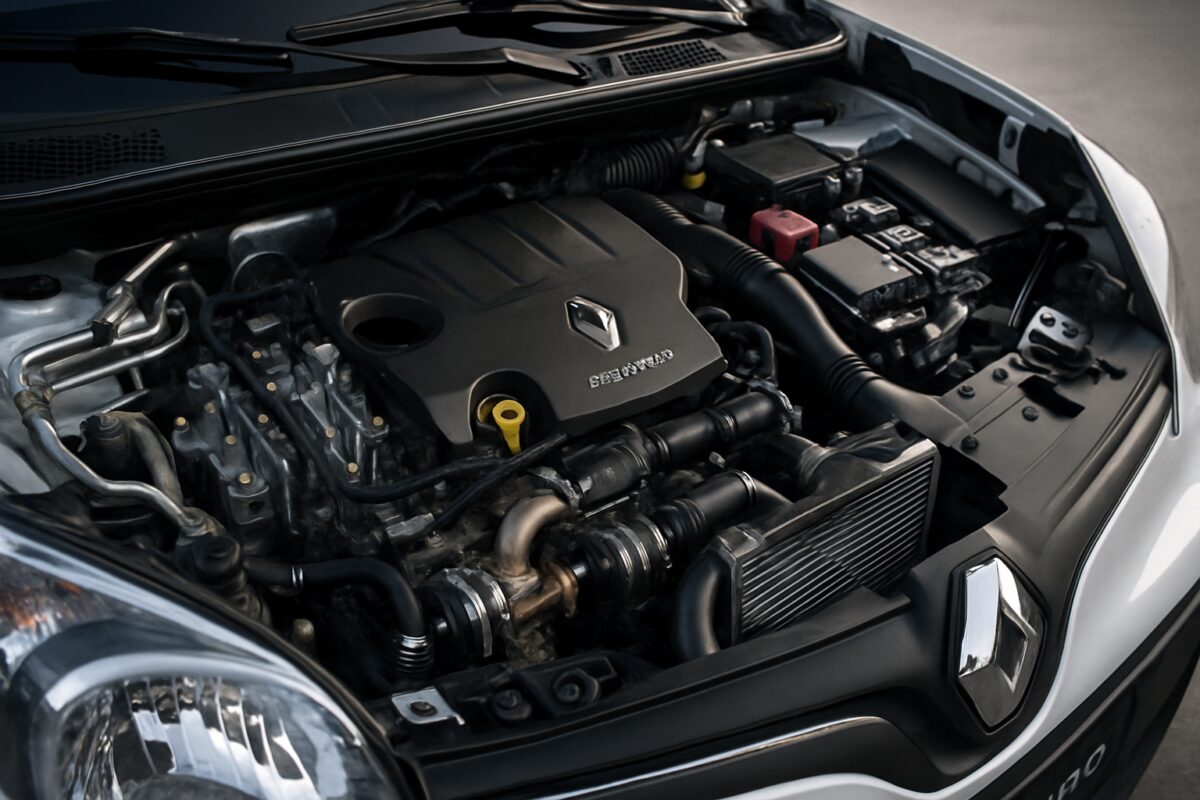
The Renault Kangoo has established itself as a versatile commercial and passenger vehicle throughout Europe, competing strongly in the light commercial vehicle segment. The engine choice significantly impacts performance, fuel economy, and maintenance costs for this practical French van. Available powerplants range from economical 1.5-litre diesel units producing 75-110 bhp to more powerful 1.3-litre turbocharged petrol engines delivering up to 130 bhp with impressive torque figures.
Comparison table of all engines
Understanding the specifications of each engine helps buyers make informed decisions about which powerplant suits their needs best. The following table compares key performance metrics across the Kangoo range.
| Engine | Power output | Torque | Fuel consumption | Reliability |
|---|---|---|---|---|
| 1.5 dCi 75 | 75 bhp | 200 Nm | 4.2 L/100km | Excellent |
| 1.5 dCi 90 | 90 bhp | 220 Nm | 4.4 L/100km | Excellent |
| 1.5 dCi 110 | 110 bhp | 260 Nm | 4.6 L/100km | Very Good |
| 1.3 TCe 130 | 130 bhp | 240 Nm | 6.8 L/100km | Good |
1.5 dCi 75 overview
The entry-level diesel represents Renault’s proven fuel filter technology in a compact four-cylinder configuration. This naturally aspirated diesel engine features a 1461cc displacement with common-rail direct injection system. The unit runs on standard diesel fuel and incorporates Renault’s efficient combustion chamber design for optimal fuel economy.
Pros
- Outstanding fuel economy for commercial use
- Proven reliability with minimal maintenance issues
- Low purchase and running costs
- Adequate torque for light commercial duties
- Simple design with fewer components to fail
Cons
- Limited power for heavy loads or motorway driving
- Sluggish acceleration compared to higher-output variants
- Can feel underpowered when fully loaded
- Less refined than turbocharged alternatives
1.5 dCi 90 overview
This turbocharged four-cylinder diesel engine shares the same 1461cc displacement but incorporates a variable geometry turbocharger for improved performance. The unit utilises advanced common-rail injection technology with multiple injection events per cycle. Standard diesel fuel powers this efficient motor, which features enhanced turbocharger mapping for better responsiveness.
Pros
- Better balance of performance and economy
- Improved pulling power compared to naturally aspirated variant
- Still maintains excellent fuel efficiency
- More responsive throttle characteristics
- Suitable for mixed urban and motorway driving
Cons
- Slightly higher maintenance costs due to turbocharger
- More complex engine management system
- Potential turbo lag at low revs
- Higher initial purchase price than base engine
1.5 dCi 110 overview
The range-topping diesel features the same 1461cc four-cylinder architecture with an advanced variable geometry turbocharger system. This turbocharged unit delivers maximum performance from the proven dCi platform through optimised injectors and enhanced engine mapping. The diesel-powered motor incorporates sophisticated emissions control technology including particulate filtration.
Pros
- Strong performance for commercial applications
- Excellent torque delivery across rev range
- Capable of handling heavy loads confidently
- Good motorway cruising ability
- Still offers reasonable fuel economy
Cons
- Higher purchase and maintenance costs
- More complex emissions systems requiring attention
- Increased fuel consumption compared to lower-power variants
- Potential DPF issues in urban stop-start driving
1.3 TCe 130 overview
Renault’s modern turbocharged petrol engine represents a departure from diesel dominance in commercial vehicles. This four-cylinder unit displaces 1332cc and features direct injection technology with variable valve timing. The turbocharged motor runs on standard unleaded petrol and incorporates advanced ignition coil technology for optimal combustion efficiency.
Pros
- Smooth and refined operation compared to diesels
- Strong low-end torque from turbocharging
- No DPF concerns for urban users
- Modern engine technology with good power delivery
- Quieter operation than diesel alternatives
Cons
- Significantly higher fuel consumption than diesel engines
- More expensive fuel costs for commercial users
- Complex turbocharger and direct injection systems
- Potentially higher maintenance costs long-term
Maintenance cost
Understanding maintenance schedules and costs helps fleet operators budget effectively. Regular servicing ensures optimal performance and longevity from your chosen powerplant. The following table outlines typical service intervals and associated costs based on our AutopartsPro specialists’ experience.
| Engine | Recommended Interval | Estimated Cost | Cost per 10000 miles |
|---|---|---|---|
| 1.5 dCi 75 | 12,000 miles | £180-220 | £150-185 |
| 1.5 dCi 90 | 12,000 miles | £200-240 | £165-200 |
| 1.5 dCi 110 | 10,000 miles | £220-280 | £220-280 |
| 1.3 TCe 130 | 10,000 miles | £180-220 | £180-220 |
Professional tip: Always use genuine oil filters and quality engine oil to maintain warranty coverage and ensure optimal engine protection, especially important for turbocharged variants.
Engine sound and character
Each Kangoo engine delivers distinct acoustic and performance characteristics that affect the driving experience. The naturally aspirated 1.5 dCi 75 produces a typical diesel clatter at idle but settles to a steady thrum under acceleration. Our mechanics note this engine provides predictable power delivery without drama.
The turbocharged 1.5 dCi variants offer more sophisticated sound deadening and smoother operation. The 90bhp version maintains diesel character whilst the 110bhp unit can sound stressed under heavy acceleration. Both deliver satisfying whoosh sounds from their intercooler systems during spirited driving.
The 1.3 TCe petrol engine stands apart with its refined three-cylinder thrum. This unit produces a distinctive warble under acceleration but remains notably quieter than diesel alternatives during cruising. The character appeals to drivers seeking car-like refinement in commercial vehicle applications.
Expert insight: Regular air filter replacement significantly improves engine breathing and reduces intake noise, particularly beneficial for turbocharged engines operating in dusty conditions.
Who each engine is best for
Choosing the right engine depends on specific usage requirements and operational priorities. The following recommendations reflect real-world experience from commercial operators and private users.
| User Type | Recommended Engine | Reason |
|---|---|---|
| Daily commuters | 1.3 TCe 130 | Refined operation and car-like driving experience |
| Performance enthusiasts | 1.5 dCi 110 | Best power-to-weight ratio with strong torque delivery |
| Long-distance drivers | 1.5 dCi 90 | Optimal balance of performance and fuel economy |
| Budget-conscious owners | 1.5 dCi 75 | Lowest purchase price and operating costs |
Frequently asked questions
Which Kangoo engine offers the best fuel economy?
The 1.5 dCi 75 delivers exceptional fuel efficiency at 4.2L/100km, making it ideal for high-mileage commercial applications where running costs matter most.
Are Kangoo diesel engines reliable for high mileage use?
Yes, the 1.5 dCi engines demonstrate excellent durability with proper maintenance. Many commercial operators report trouble-free operation beyond 200,000 miles with regular cam belt changes.
What maintenance issues should I expect with turbocharged Kangoo engines?
Turbocharged variants require quality oil changes and may need particulate filter attention. Regular motorway driving helps prevent carbon build-up in both diesel and petrol turbo engines.
Can the 1.3 TCe petrol engine handle commercial use effectively?
The petrol engine works well for urban delivery applications but lacks the low-end torque and fuel efficiency that make diesel engines preferable for heavy commercial work.
How often should I service my Kangoo engine for optimal reliability?
Follow manufacturer intervals but consider more frequent engine oil changes for severe duty cycles. Turbocharged engines particularly benefit from premium lubricants and shorter service intervals.

 Loading...