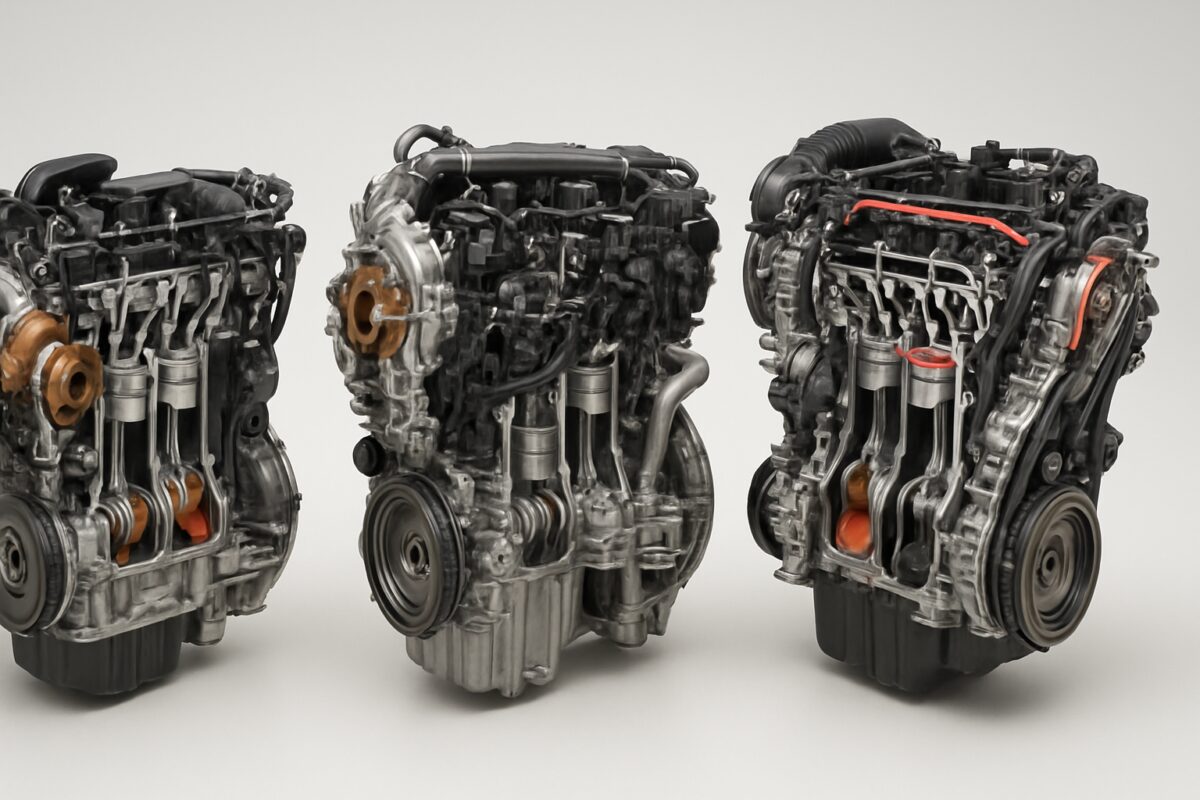
The Ford Fiesta stands as one of Britain’s most popular superminis, offering a compelling blend of affordability, practicality, and driving enjoyment. The heart of any Fiesta lies in its engine choice, which directly impacts performance, fuel economy, and overall ownership experience. From peppy three-cylinder units to spirited turbocharged variants, Fiesta engines deliver between 70-200 horsepower with torque figures ranging from 100-290 Nm, catering to diverse driving needs across the UK market.
Comparison table of all engines
Understanding the specifications of each Fiesta engine helps you make an informed decision based on your driving requirements and budget.
| Engine | Power output | Torque | Fuel consumption | Reliability |
|---|---|---|---|---|
| 1.1 Ti-VCT | 70-85 PS | 100-108 Nm | 4.8-5.2L/100km | Excellent |
| 1.0 EcoBoost | 100-125 PS | 170-200 Nm | 4.4-5.0L/100km | Very Good |
| 1.5 TDCi | 85-120 PS | 200-270 Nm | 3.8-4.2L/100km | Good |
| 1.6 Ti-VCT | 105-120 PS | 150-160 Nm | 5.5-6.0L/100km | Very Good |
| 1.0 EcoBoost ST-Line | 140 PS | 210 Nm | 4.6-5.2L/100km | Good |
| 1.6 EcoBoost ST | 200 PS | 290 Nm | 6.5-7.0L/100km | Good |
1.1 Ti-VCT engine overview
The 1.1-litre Ti-VCT (Twin independent Variable Cam Timing) represents Ford’s entry-level naturally aspirated three-cylinder petrol engine. This Duratec unit displaces 1084cc and features an aluminium construction with variable valve timing on both intake and exhaust camshafts. The engine operates on regular unleaded petrol with multi-point fuel injection, delivering smooth power delivery without forced induction complexity.
Pros
- Exceptionally low running costs and insurance premiums
- Simple construction means fewer potential failure points
- Adequate power for city driving and motorway cruising
- Excellent fuel economy figures in real-world conditions
- Minimal maintenance requirements beyond standard servicing
Cons
- Limited overtaking ability on dual carriageways
- Three-cylinder thrum can be intrusive at idle
- Struggles with full loads on steep inclines
- Less refined than four-cylinder alternatives
1.0 EcoBoost engine overview
Ford’s award-winning 1.0-litre EcoBoost three-cylinder turbocharged petrol engine revolutionised the supermini segment. This Fox-family engine features direct fuel injection, variable valve timing, and an integrated exhaust manifold within the cylinder head for improved thermal efficiency. The turbocharger provides excellent low-end torque while maintaining impressive fuel consumption figures.
Pros
- Outstanding power-to-displacement ratio
- Strong torque delivery from just 1,400 rpm
- Refined operation despite three-cylinder layout
- Impressive fuel efficiency for the performance level
- Responsive throttle and eager acceleration
Cons
- Requires premium fuel for optimal performance
- Turbocharger adds complexity and potential repair costs
- Higher insurance group ratings than naturally aspirated engines
- Can suffer from carbon build-up on intake valves
1.5 TDCi diesel engine overview
The 1.5-litre TDCi diesel engine serves drivers prioritising maximum fuel efficiency and long-distance comfort. This four-cylinder turbocharged diesel features common-rail direct injection and variable geometry turbocharging. The Duratorq powerplant delivers substantial torque from low revs, making it ideal for motorway driving and towing applications while maintaining excellent economy figures.
Pros
- Outstanding fuel economy, especially on long journeys
- Massive torque output for effortless overtaking
- Lower CO2 emissions compared to petrol equivalents
- Strong resale value in the used car market
- Excellent for high-mileage drivers
Cons
- Higher purchase price than petrol alternatives
- Requires regular DPF regeneration cycles
- Not suitable for predominantly short urban journeys
- Diesel particulate filter can become blocked
- Noisier operation compared to petrol engines
1.6 Ti-VCT engine overview
The 1.6-litre Ti-VCT naturally aspirated four-cylinder petrol engine represents traditional engineering values. This Sigma engine family member displaces 1596cc and features aluminium construction with variable cam timing on both camshafts. Operating on regular unleaded petrol with sequential multi-port fuel injection, it provides smooth and predictable power delivery throughout the rev range.
Pros
- Proven reliability with minimal complexity
- Smooth four-cylinder operation and refinement
- Easy and affordable maintenance procedures
- Good power delivery across the entire rev band
- Suitable for learner drivers and nervous motorists
Cons
- Higher fuel consumption than modern alternatives
- Less torque than turbocharged equivalents
- Feels sluggish compared to EcoBoost engines
- Higher CO2 emissions affect road tax costs
1.6 EcoBoost ST engine overview
The flagship 1.6-litre EcoBoost turbocharged four-cylinder engine powers the performance-focused Fiesta ST variant. This Sigma-family powerplant features direct fuel injection, twin independent variable cam timing, and a twin-scroll turbocharger. The high-performance unit delivers substantial power and torque figures while maintaining reasonable fuel consumption for such spirited performance.
Pros
- Exhilarating performance with 200 PS output
- Strong torque delivery from 1,600 rpm
- Relatively good fuel economy for performance level
- Proven motorsport-derived technology
- Excellent tuning potential for enthusiasts
Cons
- Requires premium unleaded fuel for best results
- Higher insurance costs and road tax
- More frequent servicing intervals required
- Potential for expensive repairs due to complexity
- Not suitable for inexperienced drivers
Maintenance cost
Understanding maintenance costs helps budget for long-term ownership. Regular servicing with quality components like oil filters and air filters ensures optimal engine performance and longevity.
| Engine | Recommended Interval | Estimated Cost | Cost per 10,000 miles |
|---|---|---|---|
| 1.1 Ti-VCT | 12,500 miles | £180-220 | £144-176 |
| 1.0 EcoBoost | 10,000 miles | £220-280 | £220-280 |
| 1.5 TDCi | 12,500 miles | £280-350 | £224-280 |
| 1.6 Ti-VCT | 12,500 miles | £200-250 | £160-200 |
| 1.6 EcoBoost ST | 10,000 miles | £350-450 | £350-450 |
Professional tip: Our Autopartspro specialists recommend using genuine Ford engine oil specifications to maintain warranty coverage and optimal performance across all Fiesta engine variants.
Engine sound and character
Each Fiesta engine delivers a distinct acoustic signature that reflects its engineering philosophy. The 1.1 Ti-VCT produces a characteristic three-cylinder thrum that’s audible but not unpleasant, particularly noticeable at idle and light throttle applications. This soundtrack becomes more subdued once underway.
The 1.0 EcoBoost transforms the three-cylinder experience with its turbocharger whistle and more purposeful exhaust note. The turbo spool adds an engaging element to acceleration, while the engine settles into a refined cruise at motorway speeds. Sound deadening keeps cabin intrusion minimal.
Diesel variants offer the traditional TDCi clatter at startup, which quickly settles into a purposeful rumble under load. The 1.5 TDCi remains surprisingly quiet for a small diesel, with good sound insulation keeping road noise at bay during long-distance touring.
The naturally aspirated 1.6 Ti-VCT provides classic four-cylinder smoothness with minimal vibration through the engine mounts. It revs cleanly to the redline with a pleasant, if unremarkable, exhaust note that won’t disturb neighbours during early morning starts.
Performance enthusiasts will appreciate the 1.6 EcoBoost ST’s aggressive soundtrack. The twin-scroll turbocharger produces addictive whoosh sounds under acceleration, while the active exhaust system can be switched between subdued and sporty modes depending on driving conditions.
Expert insight: Regular inspection of exhaust manifolds and associated components helps maintain optimal engine sound characteristics and prevents unwanted noise from developing over time.
Who each engine is best for
| Engine | Daily commuters | Performance enthusiasts | Long-distance drivers | Budget-conscious owners |
|---|---|---|---|---|
| 1.1 Ti-VCT | Excellent | Poor | Fair | Excellent |
| 1.0 EcoBoost | Excellent | Good | Good | Good |
| 1.5 TDCi | Fair | Fair | Excellent | Good |
| 1.6 Ti-VCT | Good | Fair | Good | Good |
| 1.6 EcoBoost ST | Fair | Excellent | Fair | Poor |
The 1.1 Ti-VCT suits first-time buyers, young drivers, and urban commuters who prioritise low running costs above all else. Its simple construction means fewer expensive repairs, while insurance costs remain manageable for newer drivers.
EcoBoost variants appeal to drivers wanting modern technology with excellent fuel efficiency. The 1.0-litre turbocharged unit particularly suits company car drivers who need reasonable performance while maintaining low benefit-in-kind tax rates.
High-mileage motorists should consider the 1.5 TDCi diesel for its exceptional fuel economy and strong torque delivery. However, this engine requires regular motorway driving to prevent particulate filter issues that plague urban-only usage patterns.
Frequently asked questions
Which Ford Fiesta engine is most reliable?
The 1.1 Ti-VCT naturally aspirated engine offers the highest reliability due to its simple construction with fewer complex components that could potentially fail over time.
Do EcoBoost engines require premium fuel?
While EcoBoost engines run on regular unleaded, premium fuel optimises performance and prevents knock under heavy loads, especially in hot weather conditions.
What are common problems with Fiesta diesel engines?
The main issue involves DPF blockage from short urban journeys. Regular motorway driving helps regenerate the filter and prevents expensive replacement costs.
How often should I change the timing belt?
Most Fiesta engines use timing chains rather than belts, requiring replacement only if they stretch or develop noise issues over high mileage.
Are Fiesta ST engines suitable for daily driving?
Yes, the 1.6 EcoBoost ST engine works well for daily use but requires more frequent servicing and higher running costs than standard variants.

 Loading...