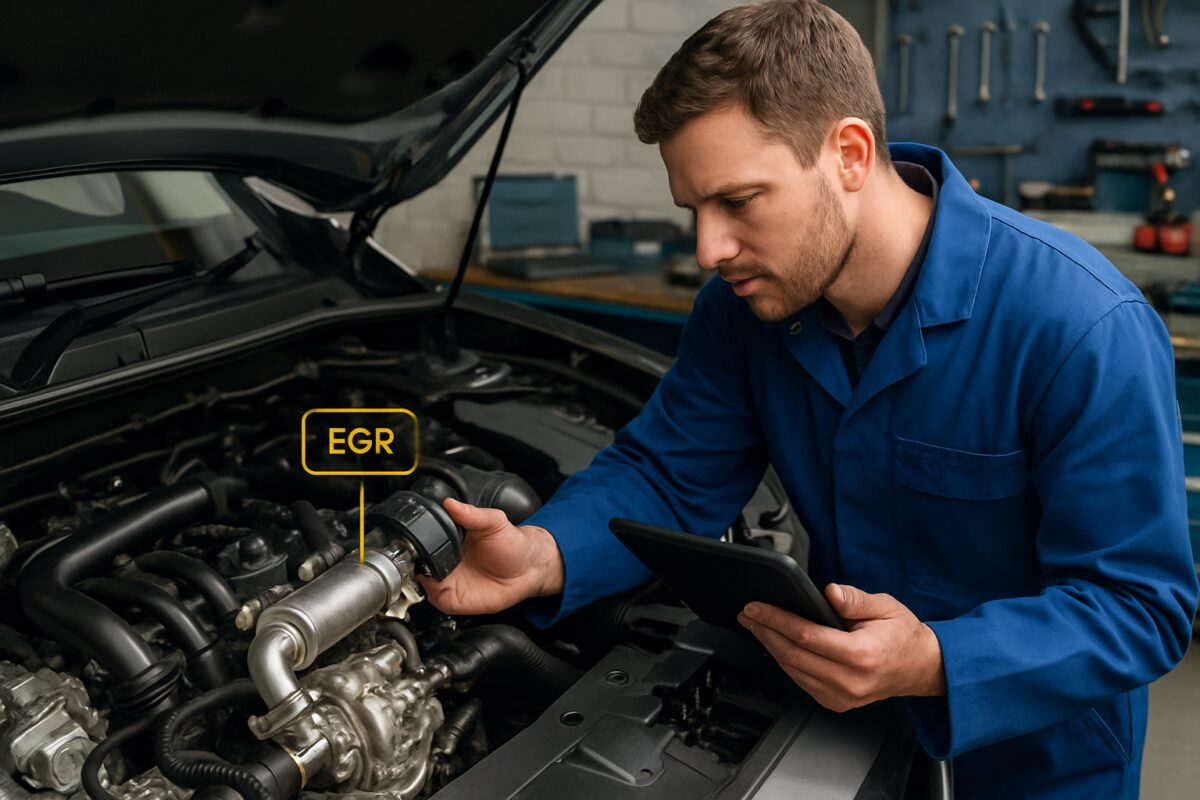
EGR delete involves removing or bypassing the exhaust gas recirculation system in diesel engines to improve performance and reduce maintenance costs. However, this modification comes with significant legal implications, potential MOT failures, and environmental concerns that UK motorists must carefully consider before proceeding with any emission control system alterations.
What is EGR and why do motorists consider deleting it?
The Exhaust Gas Recirculation (EGR) system redirects a portion of exhaust gases back into the engine’s combustion chamber. This process reduces combustion temperatures and helps lower nitrogen oxide (NOx) emissions, making vehicles compliant with Euro emission standards.
Many car enthusiasts and commercial vehicle operators consider EGR deletion because the system can cause several operational issues. The exhaust gas recirculation valve often becomes clogged with carbon deposits, leading to reduced performance and expensive repairs.
Our Autopartspro mechanics frequently encounter vehicles with faulty EGR systems, particularly in high-mileage diesel engines. The recirculated exhaust gases create carbon build-up throughout the intake system, affecting components like the inlet manifold and requiring costly cleaning procedures.
Benefits of EGR system removal
Removing the EGR system can provide several performance advantages that appeal to vehicle owners seeking improved efficiency and reduced maintenance costs.
Performance improvements
EGR deletion typically results in noticeable performance gains. Without exhaust gas recirculation, engines receive cleaner air for combustion, leading to more efficient fuel burning and increased power output.
The elimination of carbon deposits in the intake system means better airflow through components like the intercooler and intake manifold. This improved breathing capability often translates to enhanced throttle response and smoother engine operation.
Maintenance cost reduction
One of the most compelling reasons motorists consider EGR deletion is the potential for reduced maintenance expenses. The EGR valve and associated components require regular cleaning and eventual replacement, often costing hundreds of pounds.
- Elimination of EGR valve replacement costs (typically £200-500)
- Reduced carbon cleaning requirements for intake system components
- Fewer issues with clogged air filters and contaminated engine oil
- Extended service intervals for related emission system components
Improved fuel economy
Many drivers report better fuel consumption following EGR removal. The cleaner combustion process and reduced engine load can contribute to improved miles per gallon, particularly during motorway driving conditions.
However, our technical specialists at Autopartspro note that fuel economy improvements vary significantly between vehicles and driving conditions. The gains are typically more pronounced in commercial vehicles operating under constant load conditions.
Drawbacks and risks of EGR deletion
Despite the potential benefits, EGR system removal carries substantial risks that vehicle owners must understand before proceeding with any modifications.
Legal implications in the UK
EGR deletion is illegal for road-going vehicles in the United Kingdom. The Road Traffic Act and Construction and Use Regulations prohibit the removal of emission control equipment fitted as standard by manufacturers.
Vehicles with removed or disabled EGR systems will fail the MOT test under the emissions section. The consequences include:
- Immediate MOT failure requiring system restoration before retest
- Potential fines up to £1,000 for using a vehicle without proper emission controls
- Insurance policy invalidation if the modification isn’t declared
- Difficulties selling the vehicle due to non-compliance issues
- Environmental agency penalties for businesses operating modified commercial vehicles
Engine longevity concerns
Contrary to popular belief, EGR systems serve important functions beyond emission control. The recirculated exhaust gases help moderate combustion temperatures, protecting engine components from excessive heat stress.
Our experienced mechanics have observed increased wear on certain engine components in vehicles with removed EGR systems. Higher combustion temperatures can affect exhaust valves, cylinder heads, and related components over extended periods.
Environmental impact
EGR deletion significantly increases NOx emissions, contributing to air pollution and environmental degradation. This impact is particularly concerning in urban areas where air quality is already compromised.
- Increased nitrogen oxide emissions by 40-60% compared to standard configuration
- Contribution to smog formation and respiratory health issues
- Violation of environmental protection standards and regulations
- Negative impact on local air quality, particularly in cities
Technical considerations and alternatives
Before considering EGR deletion, motorists should explore legitimate alternatives that address common system problems while maintaining legal compliance.
Professional EGR cleaning services
Regular professional cleaning can address many EGR-related issues without resorting to system removal. This preventive maintenance approach helps maintain performance while ensuring legal compliance.
The cleaning process involves removing carbon deposits from the EGR valve, intake manifold, and associated components. Many symptoms attributed to EGR problems can be resolved through proper cleaning and component replacement.
Quality replacement components
Installing high-quality replacement EGR valves and related components can provide reliable long-term operation. Premium aftermarket parts often offer improved durability compared to original equipment.
Components that commonly require attention include the intake manifold gasket, various sensors, and vacuum hoses that support EGR system operation.
> **Professional Tip:** Regular use of quality engine oil and fuel filters significantly reduces carbon build-up in EGR systems, extending component life and maintaining performance.
EGR delete methods and costs
Understanding the various approaches to EGR deletion helps vehicle owners make informed decisions about potential modifications and associated costs.
Physical removal vs electronic disabling
EGR deletion can involve physical component removal or electronic system disabling through ECU remapping. Each method has different implications for vehicle operation and detectability.
Physical removal involves disconnecting or blocking the EGR valve and associated pipework. This approach is easily detectable during MOT testing and routine inspections.
Electronic disabling uses engine management system modifications to prevent EGR operation while leaving components in place. This method may be less obvious but still results in MOT failure during emissions testing.
Cost comparison table
| Service Type | Typical Cost | Legal Status | MOT Impact |
|---|---|---|---|
| Professional EGR cleaning | £150-300 | Legal | Pass |
| EGR valve replacement | £200-500 | Legal | Pass |
| Physical EGR delete | £300-600 | Illegal | Fail |
| Electronic EGR delete | £400-800 | Illegal | Fail |
Impact on other vehicle systems
EGR deletion affects various interconnected systems throughout the vehicle, potentially causing unexpected problems that owners should consider.
Turbocharger and boost system effects
Modern diesel engines rely on precise boost control for optimal performance. EGR deletion can alter boost pressure characteristics, potentially affecting turbocharger operation and related components.
The change in exhaust gas flow patterns may impact turbocharger efficiency and longevity. Some vehicles experience boost-related fault codes following EGR system modifications.
Diagnostic system complications
Vehicle diagnostic systems expect specific readings from EGR-related sensors. Deletion often triggers fault codes and warning lights that require additional modifications to resolve.
Components like the mass air flow sensor and various temperature sensors may provide unexpected readings following system modifications.
Regional enforcement and penalties
Enforcement of emission control regulations varies across the UK, with different authorities taking varying approaches to detecting and penalising illegal modifications.
MOT testing procedures
MOT testers are required to check for the presence and operation of emission control systems fitted as standard equipment. Visual inspection and emissions testing can easily detect EGR deletion.
The testing process includes verification that emission control components are present and functional. Missing or obviously disabled systems result in immediate test failure.
Enforcement variations across regions
Different regions show varying levels of enforcement for emission control violations. Urban areas typically have stricter monitoring due to air quality concerns.
- London and major cities: Strict enforcement with regular roadside checks
- Rural areas: Less frequent monitoring but penalties still apply
- Commercial vehicle operations: Enhanced scrutiny from traffic enforcement agencies
- Border crossings: International compliance checks may identify modifications
- Insurance investigations: Claims assessments may reveal undeclared modifications
Professional recommendations from autopartspro specialists
Based on extensive experience servicing vehicles across the UK, our technical team provides specific guidance for motorists considering EGR-related modifications.
Maintenance-focused approach
Rather than deletion, we recommend implementing a comprehensive maintenance programme that addresses EGR system problems proactively. This approach maintains legal compliance while maximising performance and reliability.
Regular replacement of consumable items like air filters and proper servicing with quality lubricants significantly reduces EGR-related problems.
Component quality recommendations
Investing in premium replacement components often provides better long-term value than attempting system deletion. High-quality EGR valves and associated parts offer improved reliability and reduced maintenance requirements.
| Component Type | Replacement Interval | Quality Impact | Performance Benefit |
|---|---|---|---|
| EGR valve | 60,000-100,000 miles | High | Significant |
| Intake manifold gaskets | 80,000-120,000 miles | Medium | Moderate |
| Vacuum hoses | 40,000-60,000 miles | Medium | Moderate |
| Related sensors | 100,000+ miles | High | Significant |
Understanding the legal, technical, and practical implications of EGR deletion helps vehicle owners make informed decisions about their modification choices. While the system can present maintenance challenges, proper care and quality components provide reliable operation within legal boundaries. For motorists experiencing EGR-related problems, professional diagnosis and targeted repairs offer the best balance of performance, legality, and long-term reliability.
Frequently Asked Questions (FAQ)
Is EGR delete legal for off-road vehicles in the UK?
EGR deletion remains illegal even for off-road vehicles if they’re registered for road use and require MOT testing.
Can I reverse an EGR delete before MOT testing?
Reinstalling components is possible but may require ECU reprogramming and system recalibration to function properly again.
Does EGR delete void my vehicle warranty?
Yes, unauthorised modifications to emission control systems typically void manufacturer warranties and may affect insurance coverage.
How much does professional EGR cleaning cost?
Professional EGR cleaning typically costs between £150-300 depending on vehicle type and contamination severity levels.
Will EGR delete improve my vehicle’s reliability?
While reducing some maintenance issues, deletion may cause other problems and legal complications outweighing potential benefits.

 Loading...