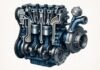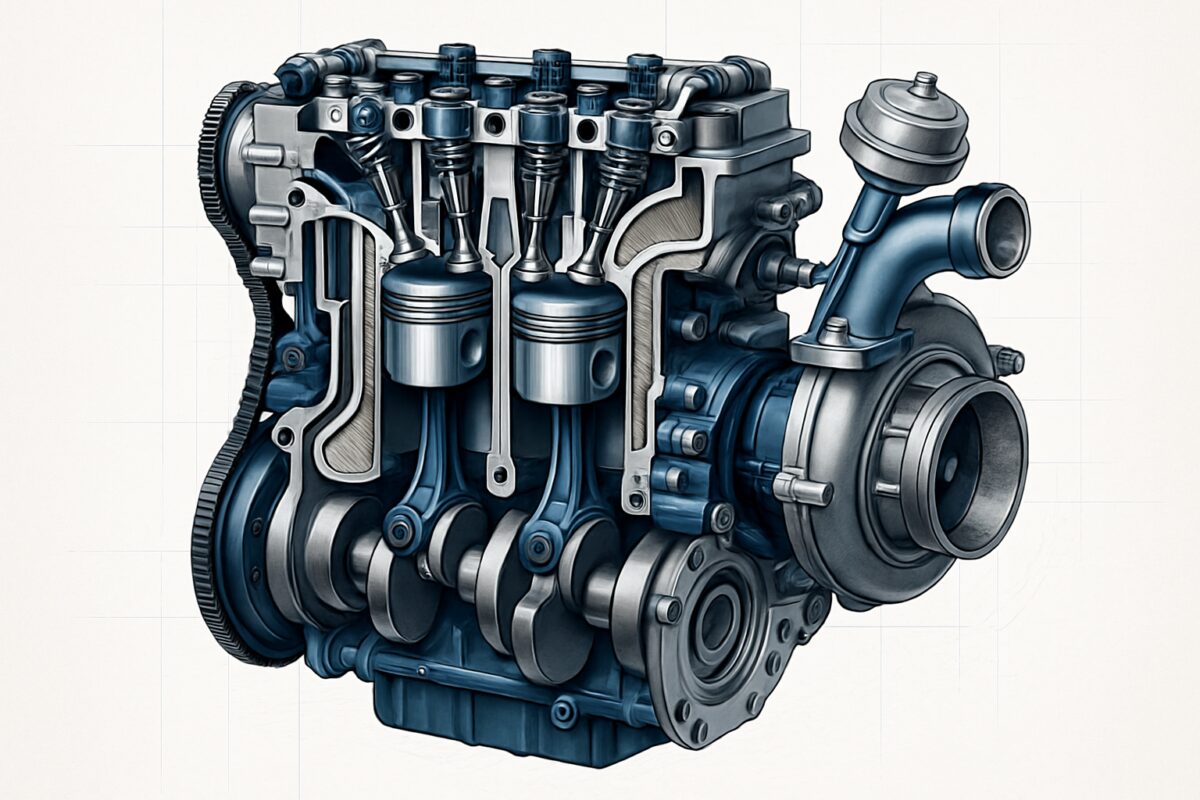
The Dacia Sandero stands as one of Britain’s most popular budget-friendly hatchbacks, offering exceptional value in the competitive supermini segment. At the heart of this Romanian manufacturer’s success lies its carefully selected engine lineup, which balances affordability with respectable performance. The powerplant you choose dramatically influences your ownership experience, from daily fuel costs to long-term reliability. Current Sandero models feature engines ranging from 65 to 100 horsepower, with torque figures between 95 and 160 Nm, spanning naturally aspirated petrol units and efficient three-cylinder configurations.
Comparison table of all engines
Here’s a detailed breakdown of the Dacia Sandero’s engine options, helping you make an informed decision based on your driving requirements and budget constraints.
| Engine | Power Output | Torque | Fuel Consumption | Reliability |
|---|---|---|---|---|
| 1.0 SCe 75 | 75 hp | 95 Nm | 47.1 mpg | Good |
| 1.0 TCe 90 | 90 hp | 160 Nm | 50.4 mpg | Very Good |
| 1.0 TCe 100 | 100 hp | 160 Nm | 49.6 mpg | Very Good |
| 1.0 Eco-G 100 | 100 hp | 160 Nm | 52.3 mpg (LPG) | Good |
1.0 SCe 75 engine overview
The 1.0-litre SCe (Smart Control Efficiency) represents Dacia’s entry-level naturally aspirated three-cylinder petrol unit. This 999cc engine features a lightweight aluminium construction with a single overhead camshaft configuration, delivering straightforward reliability without turbocharging complexity. The unit employs multi-point fuel injection and runs on standard unleaded petrol, making it the most accessible option in the Sandero range.
Pros
- Simple mechanical design reduces maintenance complexity
- Lower purchase price compared to turbocharged alternatives
- Adequate performance for city driving and light loads
- Proven reliability with fewer components to fail
- Smooth operation at low speeds
Cons
- Limited power delivery on motorways and hills
- Higher fuel consumption under aggressive driving
- Lacks the torque punch of turbocharged units
- Can feel strained during overtaking manoeuvres
- Less refined than more expensive alternatives
1.0 TCe 90 engine overview
The 1.0 TCe 90 introduces turbocharging to the Sandero lineup, featuring a three-cylinder configuration with 999cc displacement. This turbocharged unit utilises direct fuel injection technology alongside the turbocharger to maximise efficiency and performance. The turbocharger system provides significant torque enhancement, particularly in the mid-range, making it considerably more flexible than the naturally aspirated alternative.
Pros
- Excellent torque delivery from low engine speeds
- Superior fuel economy compared to naturally aspirated units
- More refined and quieter operation
- Better motorway performance and overtaking capability
- Modern three-cylinder technology
Cons
- Higher initial purchase cost
- More complex servicing requirements
- Potential turbocharger-related maintenance issues
- Slight turbo lag at very low speeds
- Premium fuel recommended for optimal performance
1.0 TCe 100 engine overview
The range-topping 1.0 TCe 100 shares its fundamental architecture with the 90-horsepower variant but features enhanced tuning for increased power output. This three-cylinder, 999cc turbocharged unit maintains the same direct injection system whilst delivering an additional 10 horsepower. The engine oil specifications remain identical, but the enhanced performance comes through revised engine management mapping and potentially higher boost pressure.
Pros
- Best power-to-weight ratio in the Sandero range
- Maintains excellent fuel economy despite higher output
- Confident motorway cruising and hill climbing
- Modern engine technology with good refinement
- Strong resale value potential
Cons
- Highest purchase price in the range
- Complex turbocharger system requires careful maintenance
- Higher service costs due to advanced technology
- May require premium unleaded fuel
- Potential for higher repair bills if turbo fails
1.0 Eco-G 100 engine overview
The innovative 1.0 Eco-G 100 represents Dacia’s commitment to alternative fuels, featuring bi-fuel capability running on both petrol and LPG (Liquefied Petroleum Gas). This three-cylinder, 999cc turbocharged unit maintains the same power output as the TCe 100 whilst offering significantly reduced running costs when operating on LPG. The system automatically switches between fuel sources based on availability and driving conditions.
Pros
- Dramatically reduced fuel costs when running on LPG
- Environmental benefits with lower CO2 emissions
- Dual-fuel flexibility provides peace of mind
- Same performance characteristics as TCe 100
- Growing LPG infrastructure across the UK
Cons
- Limited LPG refuelling stations compared to petrol
- Reduced boot space due to LPG tank installation
- Higher initial purchase price
- More complex fuel system requires specialist knowledge
- Potential insurance implications
Maintenance cost
Understanding maintenance expenses helps budget for long-term ownership. Our AutoPartsPro mechanics have compiled realistic cost estimates based on typical UK service prices and component wear patterns.
| Engine | Recommended Interval | Estimated Cost | Cost per 10,000 miles |
|---|---|---|---|
| 1.0 SCe 75 | 12,000 miles | £180-220 | £150-185 |
| 1.0 TCe 90 | 12,000 miles | £220-280 | £185-235 |
| 1.0 TCe 100 | 12,000 miles | £220-280 | £185-235 |
| 1.0 Eco-G 100 | 12,000 miles | £250-320 | £210-270 |
Tip: Always use manufacturer-approved oil filters and quality engine oil to maintain warranty coverage and optimal performance, especially on turbocharged variants.
Engine sound and character
Each Sandero engine delivers distinct acoustic and performance characteristics that significantly influence the driving experience. The naturally aspirated 1.0 SCe produces a typical three-cylinder thrum, particularly noticeable at idle and low speeds, though this adds character rather than refinement. Under acceleration, it maintains a relatively subdued note but can become vocal when pushed hard.
The turbocharged TCe variants offer markedly different personalities. Both the 90 and 100-horsepower versions provide smoother, more refined operation with less vibration transmitted through the cabin. The turbocharger hose system contributes subtle whooshing sounds under acceleration, adding a modern sporting character without becoming intrusive.
Our AutoPartsPro specialists note that the Eco-G variant sounds virtually identical to the standard TCe 100 when running on petrol, though LPG operation can introduce slight changes in engine note and throttle response characteristics.
Who each engine is best for
Choosing the right engine depends heavily on your specific driving requirements, budget constraints, and long-term ownership plans.
| Engine | Best For |
|---|---|
| 1.0 SCe 75 | Budget-conscious buyers, city commuters, first-time drivers |
| 1.0 TCe 90 | Daily commuters, mixed driving conditions, efficiency seekers |
| 1.0 TCe 100 | Performance enthusiasts, long-distance drivers, motorway users |
| 1.0 Eco-G 100 | High-mileage drivers, environmentally conscious buyers, cost-conscious fleet users |
Tip: Consider your typical journey patterns – if you frequently carry passengers or tackle steep hills, the additional torque from turbocharged variants justifies the extra cost through improved drivability and reduced stress on clutch components.
Frequently Asked Questions (FAQ)
Which Dacia Sandero engine offers the best fuel economy?
The 1.0 TCe 90 delivers the best petrol economy at 50.4 mpg, whilst the Eco-G 100 achieves exceptional value when running on cheaper LPG fuel.
How reliable are the turbocharged Sandero engines?
Modern TCe units prove very reliable when serviced correctly, though they require quality air filters and regular oil changes to maintain turbocharger longevity.
What’s the difference between TCe 90 and TCe 100 engines?
Both share identical hardware but the TCe 100 features revised engine mapping for 10 additional horsepower and marginally higher torque output.
Do Sandero engines require premium fuel?
Standard unleaded suffices for the SCe 75, whilst turbocharged variants benefit from premium fuel for optimal performance and engine protection.
How often should I replace the timing belt on Sandero engines?
These engines use timing chains rather than belts, typically requiring replacement every 100,000-120,000 miles depending on driving conditions and maintenance history.

 Loading...