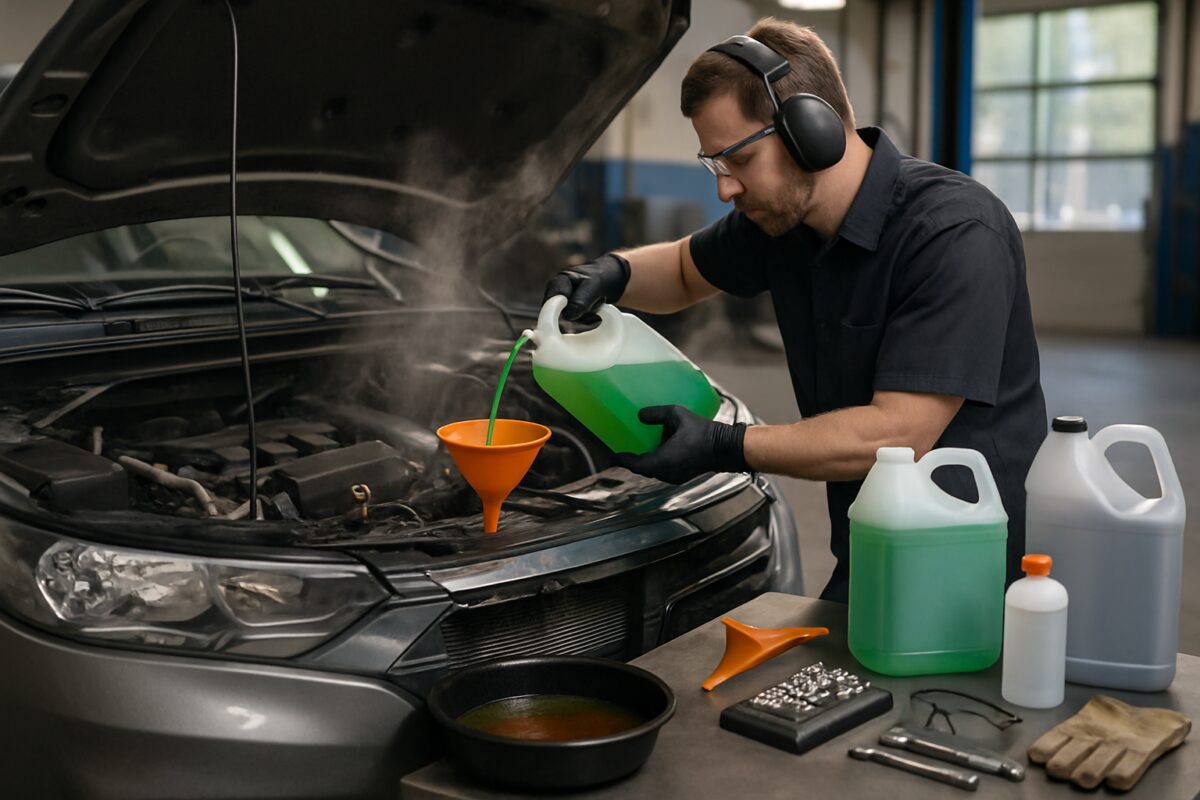
Radiator flushing removes built-up debris, rust, and old coolant from your cooling system, preventing overheating and extending engine life. The process involves draining the old coolant, running a flushing solution through the system, and refilling with fresh coolant. You’ll need basic tools, fresh coolant, and approximately 90 minutes to complete this essential maintenance task properly.
Tools & parts required
Getting the right equipment beforehand makes radiator flushing straightforward and mess-free. Having quality parts ensures your cooling system operates efficiently after the service.
Parts needed
- Engine coolant (vehicle-specific type and quantity)
- Radiator flush solution or cleaning agent
- New radiator cap (if current one shows wear)
- Distilled water
- Replacement drain plug washer
Tools required
- Socket set or spanner for drain plug
- Large drain pan (minimum 8-litre capacity)
- Funnel
- Garden hose with adjustable nozzle
- Safety gloves and eye protection
- Jack and axle stands (if drain access requires lifting)
Professional tip: Always check your vehicle handbook for the correct coolant type. Using the wrong specification can cause expensive damage to seals and gaskets.
Safety precautions
Never attempt radiator flushing on a hot engine. Allow at least two hours cooling time after driving. Work in a well-ventilated area as coolant vapours can be harmful.
Wear protective gloves and safety glasses throughout the procedure. Ethylene glycol coolant is toxic to humans and animals, so handle and dispose of it responsibly at approved recycling centres.
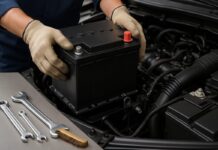
Ensure your vehicle is parked on level ground and the battery is disconnected to prevent accidental fan operation during the flush.
Step-by-step instructions
Step 1: Prepare the cooling system
Remove the radiator cap slowly to release any residual pressure. If the engine radiator feels warm, wait longer before proceeding. Locate the radiator drain plug, typically found at the bottom corner of the radiator.
Position your drain pan directly underneath the drain point. Some vehicles require lifting the front end to access the drain plug properly.
Step 2: Drain the old coolant
Open the drain plug using appropriate tools and allow the old coolant to flow completely into your collection pan. This process takes 15-20 minutes depending on system capacity.
Remove the expansion tank cap to help drainage and check for debris or discolouration that indicates system contamination.
Step 3: Initial rinse
Close the drain plug and fill the system with distilled water through the radiator opening. Start the engine and run it until the radiator thermostat opens, allowing water to circulate through the entire system.
Run for 10 minutes, then shut off the engine and drain the water. Repeat this process if the drained water appears dirty or discoloured.
Step 4: Apply flushing solution
Mix the flushing solution according to manufacturer instructions. Fill the cooling system with this mixture and run the engine for the recommended time, usually 30-45 minutes.
The flushing agent dissolves scale, rust, and stubborn deposits that water alone cannot remove. Monitor the coolant temperature sensor reading to prevent overheating during this process.
Step 5: Final rinse and refill
Drain the flushing solution completely and perform several water rinses until the drained liquid runs clear. This ensures no cleaning chemicals remain in the system.
Close the drain plug with a new washer and slowly refill with the correct coolant mixture. Fill the expansion tank to the appropriate level and replace both caps securely.
Step 6: System bleeding and testing
Start the engine and run it until normal operating temperature is reached. Check for leaks around connections and monitor coolant levels. Top up as necessary once the system has fully bled air pockets.
Run the heater at maximum temperature to ensure proper coolant circulation through the heater core and complete system bleeding.
Common mistakes to avoid
Never flush a hot cooling system as rapid temperature changes can crack the radiator or engine block. This mistake causes expensive damage that proper cooling time prevents.
Avoid using tap water for the final fill, as minerals and chlorine can cause corrosion and reduce coolant effectiveness. Always use distilled water mixed with quality coolant concentrate.
Don’t reuse old coolant, even if it appears clean. Old coolant loses its anti-corrosion properties and pH balance, potentially causing internal engine damage over time.
Failing to properly bleed air from the system creates hot spots that can cause overheating. Take time to run the engine with the heater on to remove all air pockets.
Expert insight: Our technicians at Autopartspro always recommend replacing the radiator cap during major coolant services, as rubber seals deteriorate and lose pressure-holding capability over time.
When should you flush your radiator?
Most manufacturers recommend radiator flushing every 50,000 to 100,000 miles, but severe driving conditions may require more frequent service. Check your owner’s manual for specific intervals.
Flush immediately if you notice rusty or discoloured coolant, sweet smells from the engine bay, or frequent overheating issues. These symptoms indicate cooling system contamination that requires prompt attention.
Consider flushing before winter if your coolant is more than three years old, as older coolant provides reduced freeze protection and may not protect against corrosion effectively.
If your vehicle has been unused for extended periods, flushing removes stagnant coolant that may have developed harmful deposits or lost its protective properties.
Related maintenance you can do at the same time
Replace the air filter while the bonnet is open, as both are routine maintenance items that improve engine efficiency and performance.
Inspect and replace worn radiator hose connections, as old hoses often fail shortly after coolant changes due to chemical exposure and temperature cycling.
Check the water pump for leaks or unusual noises, as coolant system maintenance provides an ideal opportunity to assess pump condition and plan future repairs.
Service the cooling fan motor and shroud, cleaning debris that reduces cooling efficiency and checking electrical connections for corrosion or damage.
Frequently asked questions
How often should I flush my radiator?
Most vehicles need radiator flushing every 50,000-100,000 miles or every 3-5 years, depending on coolant type and driving conditions.
Can I use water instead of coolant temporarily?
Water can be used briefly in emergencies, but it lacks anti-freeze and anti-corrosion properties that protect your engine from damage.
What happens if I don’t flush my radiator?
Neglecting radiator maintenance leads to corrosion, scale buildup, reduced cooling efficiency, and eventually expensive engine overheating damage.
How long does a radiator flush take?
A complete radiator flush typically takes 90 minutes to 2 hours, including draining, flushing, rinsing, and refilling the cooling system.
Should I replace the thermostat during a flush?
Replace the thermostat if it’s over 5 years old or showing signs of sticking, as fresh coolant works best with properly functioning components.
Regular radiator maintenance keeps your engine running at optimal temperatures and prevents costly overheating damage. Using the correct coolant specification and following proper flushing procedures ensures maximum cooling system life and reliability. Quality replacement parts from trusted suppliers provide the foundation for effective cooling system service that protects your vehicle investment.

 Loading...