The Citroën C5 has served as the French manufacturer’s flagship executive saloon since 2001, competing in the D-segment against rivals like the BMW 3 Series and Audi A4. At the heart of any C5 lies its powerplant, determining everything from daily drivability to long-term ownership costs. This comprehensive guide examines the petrol and diesel engines available across two generations, delivering power outputs ranging from 110hp to 241hp with varying torque characteristics that suit different driving needs.
Comparison table of all engines
| Engine | Power Output | Torque | Fuel Consumption | Reliability |
|---|---|---|---|---|
| 1.6 HDi | 110hp | 240Nm | 4.2L/100km | Very Good |
| 2.0 HDi | 136hp | 320Nm | 4.8L/100km | Excellent |
| 2.2 HDi | 173hp | 370Nm | 5.1L/100km | Good |
| 1.8i 16V | 117hp | 161Nm | 7.8L/100km | Good |
| 2.0i 16V | 143hp | 190Nm | 8.2L/100km | Very Good |
| 3.0 V6 | 210hp | 285Nm | 9.8L/100km | Fair |
| 2.9 V6 Biturbo | 241hp | 432Nm | 8.9L/100km | Fair |
The engine lineup spans across both generations of the C5, with diesel units proving most popular amongst UK buyers for their exceptional fuel economy and robust torque delivery. Each powerplant offers distinct characteristics that cater to different ownership requirements.
2.0 HDi engine overview
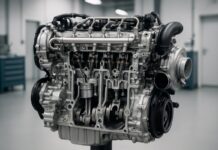
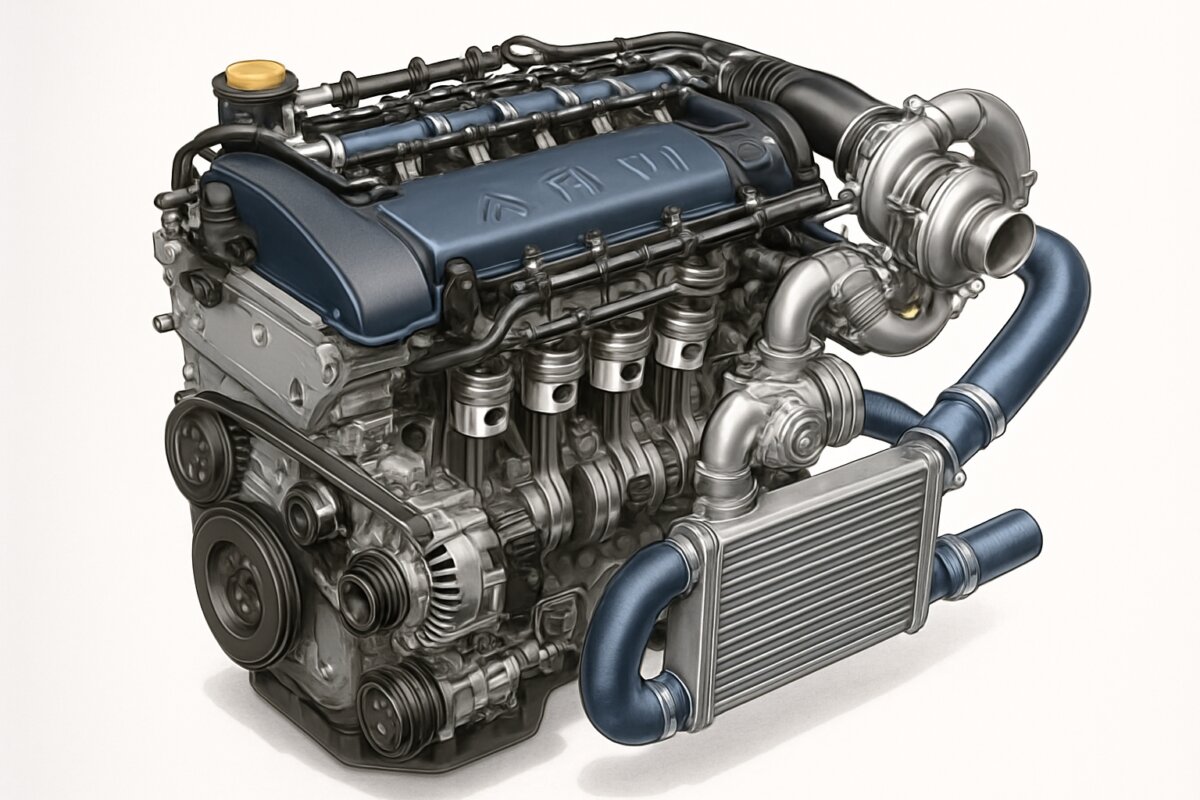
The 2.0 HDi represents the sweet spot in the C5 engine range, featuring a turbocharged inline-four diesel configuration with 1997cc displacement. This common-rail direct injection unit produces 136hp at 4000rpm whilst delivering a healthy 320Nm of torque from just 2000rpm. The turbocharger provides excellent low-end response, making it ideal for both urban commuting and motorway cruising.
Pros
- Outstanding fuel economy averaging 4.8L/100km
- Strong torque delivery from low RPM
- Proven reliability with proper maintenance
- Excellent resale value retention
- Smooth power delivery across rev range
Cons
- Can be noisy at idle when cold
- Requires quality diesel fuel for optimal performance
- DPF issues if used primarily for short journeys
- Higher initial purchase price than petrol variants
3.0 V6 petrol engine overview
The naturally aspirated 3.0-litre V6 petrol unit delivers 210hp through a sophisticated multi-point fuel injection system. This aluminium engine features double overhead camshafts and variable valve timing, producing peak torque of 285Nm at 3750rpm. The V6 configuration ensures smooth operation and refined power delivery throughout the rev range.
Pros
- Smooth and refined operation
- Strong performance across entire rev range
- No diesel particulate filter concerns
- Lower maintenance complexity than turbocharged units
- Excellent build quality and longevity
Cons
- High fuel consumption at 9.8L/100km
- Premium unleaded fuel requirement
- Higher road tax due to emissions
- More expensive spark plug replacements
- Complex timing chain system requires specialist knowledge
1.6 HDi engine overview
The entry-level 1.6 HDi provides economical motoring with its 1560cc turbocharged diesel configuration. Producing 110hp and 240Nm of torque, this unit prioritises efficiency over outright performance. The common-rail injection system ensures clean combustion whilst maintaining excellent fuel economy figures.
Pros
- Exceptional fuel economy of 4.2L/100km
- Low running costs and road tax
- Adequate performance for daily driving
- Simple maintenance requirements
- Strong reliability record
Cons
- Limited power for motorway overtaking
- Can feel underpowered when fully loaded
- Turbo lag noticeable at low RPM
- Road noise intrusion at higher speeds
Maintenance cost
| Engine | Recommended Interval | Estimated Cost | Cost per 10,000 miles |
|---|---|---|---|
| 1.6 HDi | 12,000 miles | £180-220 | £150-185 |
| 2.0 HDi | 12,000 miles | £200-250 | £165-210 |
| 2.2 HDi | 12,000 miles | £220-280 | £185-235 |
| 3.0 V6 | 10,000 miles | £280-350 | £280-350 |
Diesel engines generally require less frequent servicing but demand high-quality engine oil and oil filters to maintain optimal performance. The V6 petrol unit requires more frequent attention due to its higher-strung nature and complex valve train system.
Our AutoPartsPro specialists recommend using only manufacturer-approved lubricants and filters to maintain warranty coverage and ensure optimal engine longevity, particularly crucial for the sophisticated HDi injection systems.
Engine sound and character
The diesel units produce characteristic turbo whistle and compression noise, with the 2.0 HDi offering the best balance of refinement and performance character. Cold starts reveal the typical diesel clatter, which subsides once operating temperature is reached.
Petrol engines deliver a more cultured soundtrack, with the V6 producing a pleasing growl under acceleration whilst remaining whisper-quiet at cruise. The naturally aspirated units provide linear power delivery without turbo lag, creating a more immediate throttle response that many drivers prefer.
Both diesel and petrol variants benefit from effective sound insulation, though wind and road noise become apparent at motorway speeds. The cabin filter plays a crucial role in maintaining interior air quality during extended journeys.
According to our technical team, regular replacement of engine mounts and exhaust components significantly reduces unwanted vibration and noise transmission into the cabin, particularly important for older C5 models.
Who each engine is best for
| Engine | Best For | Typical User | Key Benefit |
|---|---|---|---|
| 1.6 HDi | Budget-conscious owners | Urban commuters | Lowest running costs |
| 2.0 HDi | Long-distance drivers | Business users | Best economy/performance balance |
| 2.2 HDi | Performance enthusiasts | Executive drivers | Strong acceleration |
| 3.0 V6 | Luxury seekers | Weekend tourers | Smooth refinement |
The 2.0 HDi remains the most popular choice amongst fleet buyers and private owners alike, offering an excellent compromise between performance, economy, and reliability. High-mileage drivers particularly benefit from the robust construction and excellent fuel efficiency.
Urban drivers who prioritise low running costs gravitate towards the 1.6 HDi, whilst those seeking maximum performance opt for the 2.2 HDi or V6 petrol variants. Each engine serves distinct market segments with specific requirements and budgets.
Components like the fuel filter, air filter, and water pump require regular attention across all variants to maintain optimal performance and prevent costly breakdowns.
Frequently asked questions
Which Citroën C5 engine is most reliable?
The 2.0 HDi demonstrates exceptional reliability when properly maintained, with many examples exceeding 200,000 miles without major issues or expensive repairs.
How often should I change the timing belt on C5 engines?
Most C5 engines use timing chains rather than belts, requiring replacement every 80,000-100,000 miles depending on driving conditions and maintenance history.
What causes DPF problems in C5 diesel engines?
Short journey driving patterns prevent the diesel particulate filter from reaching regeneration temperature, causing blockages that trigger warning lights and reduced performance.
Can I use standard engine oil in my C5?
No, C5 engines require specific oil grades meeting PSA specifications, particularly crucial for HDi units with their precise injection systems and turbochargers.
Why does my C5 V6 engine consume more fuel than expected?
Common causes include worn O2 sensors, dirty mass air flow sensor, or carbon buildup affecting optimal combustion efficiency and performance.

 Loading...