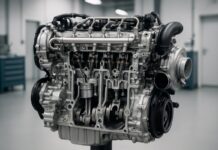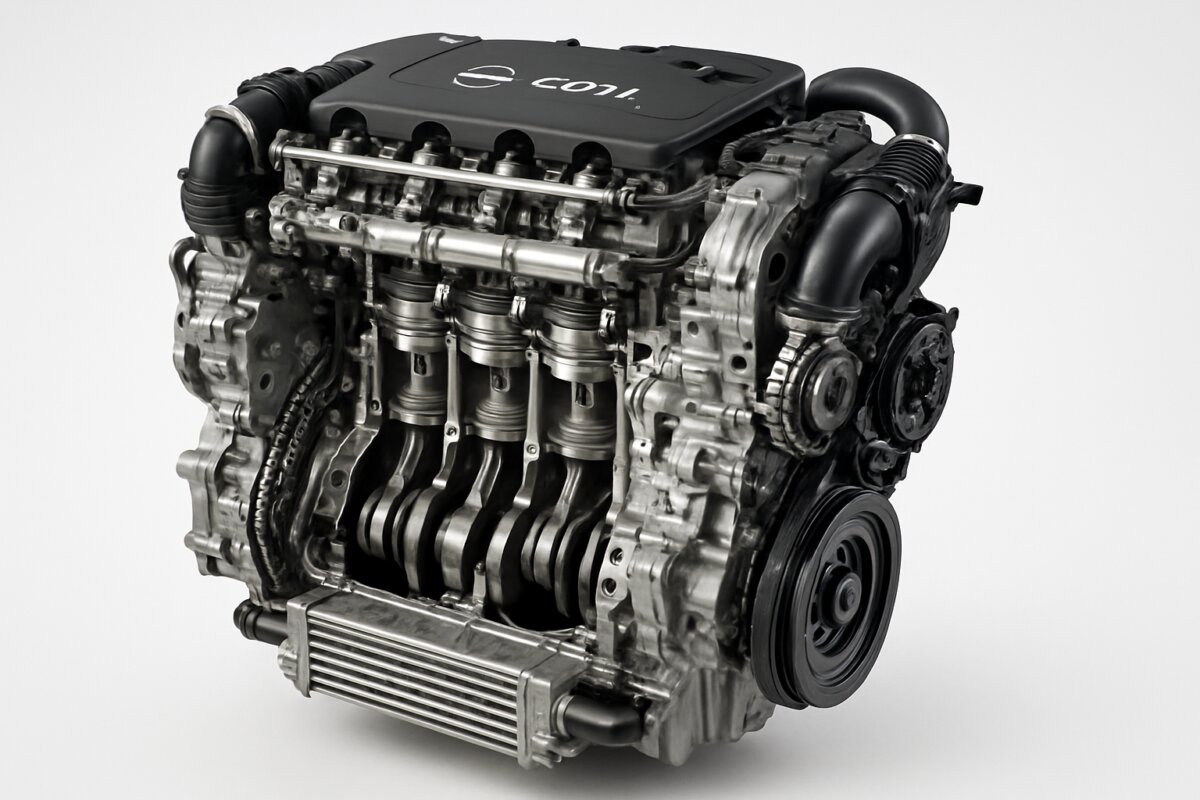
Opel’s CDTi (Common Rail Diesel Turbo injection) engines represent the German manufacturer’s commitment to efficient diesel technology across their mid-size and compact vehicle range. These powerplants deliver impressive fuel economy whilst maintaining robust performance, making them essential for Opel’s competitive position in the European market. With power outputs ranging from 75hp to 210hp and torque figures reaching 450Nm, CDTi engines showcase advanced common rail injection and turbocharging technology.
Comparison table of all engines
The following table provides a comprehensive overview of Opel’s CDTi engine lineup, highlighting their key performance characteristics and reliability ratings based on real-world experience.
| Engine | Power Output | Torque | Fuel Consumption | Reliability |
|---|---|---|---|---|
| 1.3 CDTi | 75-95hp | 190-200Nm | 3.8-4.2L/100km | Good |
| 1.7 CDTi | 100-125hp | 260-300Nm | 4.5-5.1L/100km | Very Good |
| 1.9 CDTi | 120-150hp | 280-320Nm | 5.2-6.1L/100km | Excellent |
| 2.0 CDTi | 160-210hp | 350-450Nm | 5.8-7.2L/100km | Good |
1.3 CDTi engine overview
The 1.3 CDTi represents Opel’s entry-level diesel offering, featuring a compact inline-4 configuration with 1248cc displacement. This turbocharged unit utilises Multijet common rail injection technology, delivering precise fuel metering for optimal efficiency. The turbocharger operates at relatively low boost pressures, ensuring longevity whilst providing adequate performance for urban driving conditions.
The engine employs a timing chain drive system, eliminating the need for regular cam belt replacements. Its lightweight aluminium construction contributes to improved fuel economy and reduced emissions, meeting Euro 4 and Euro 5 standards depending on the model year.
Pros
- Exceptional fuel economy achieving up to 65mpg combined
- Low CO2 emissions reducing road tax costs
- Reliable timing chain system
- Compact size suitable for city cars
- Affordable maintenance costs
Cons
- Limited power for motorway overtaking
- Noisy at idle and low speeds
- Potential injector issues after high mileage
- Requires quality engine oil for longevity
- DPF problems in urban driving conditions
1.7 CDTi engine overview
The 1.7 CDTi strikes an excellent balance between performance and efficiency, featuring 1686cc displacement in an inline-4 configuration. This turbocharged powerplant incorporates advanced common rail technology with piezo injectors for precise fuel delivery and reduced noise levels.
Developed in partnership with Isuzu, this engine features robust construction with cast iron cylinder block and aluminium head. The variable geometry turbocharger provides excellent low-end torque whilst maintaining efficiency across the rev range. Regular oil filter changes are crucial for maintaining optimal performance.
Pros
- Strong mid-range torque delivery
- Proven reliability record
- Good fuel economy for the power output
- Smooth operation compared to smaller diesels
- Adequate power for most driving scenarios
Cons
- Higher maintenance costs than 1.3 CDTi
- Potential timing chain stretch issues
- EGR valve problems in later models
- Requires premium diesel fuel for optimal performance
- More complex emission control systems
1.9 CDTi engine overview
The 1.9 CDTi represents Opel’s most successful diesel engine, featuring 1910cc displacement with proven inline-4 architecture. This turbocharged unit employs second-generation common rail injection with advanced electronic control systems for optimal performance and emissions compliance.
Built with exceptional durability in mind, the engine features a robust cast iron block and sophisticated cooling system. The variable geometry turbocharger provides excellent response across the entire rev range. Regular maintenance of the particulate filter ensures long-term reliability.
AutoPartsPro mechanics recommend using only manufacturer-approved 5W-30 oil to maintain optimal performance and prevent premature wear in CDTi engines.
Pros
- Exceptional reliability and longevity
- Strong performance across all rev ranges
- Good fuel economy for the size
- Proven track record in commercial applications
- Relatively simple maintenance requirements
Cons
- Higher initial purchase cost
- Potential swirl flap issues
- DPF regeneration cycles required
- Timing belt replacement needed every 100,000 miles
- Higher NOx emissions than newer engines
2.0 CDTi engine overview
The 2.0 CDTi represents Opel’s flagship diesel offering, featuring 1956cc displacement with advanced inline-4 technology. This turbocharged powerplant incorporates state-of-the-art common rail injection with multiple injection events per cycle, ensuring optimal combustion efficiency and reduced emissions.
The engine features aluminium construction throughout, reducing weight whilst maintaining structural integrity. Twin-scroll turbocharging technology provides exceptional low-end torque and swift response. Advanced EGR valve systems help achieve stringent Euro 6 emission standards.
Pros
- Impressive power and torque output
- Modern emission control technology
- Smooth and refined operation
- Strong performance for larger vehicles
- Advanced fuel injection system
Cons
- Complex emission systems increase maintenance costs
- Potential AdBlue system issues
- Higher fuel consumption under city driving
- Expensive replacement parts
- Sensitive to poor fuel quality
Maintenance cost
Understanding the maintenance requirements and associated costs for each CDTi engine helps owners budget effectively and maintain optimal performance throughout the vehicle’s life.
| Engine | Recommended Interval | Estimated Cost | Cost per 10,000 miles |
|---|---|---|---|
| 1.3 CDTi | 12,500 miles | £180-220 | £144-176 |
| 1.7 CDTi | 12,500 miles | £220-280 | £176-224 |
| 1.9 CDTi | 12,500 miles | £250-320 | £200-256 |
| 2.0 CDTi | 10,000 miles | £320-420 | £320-420 |
Our technical specialists recommend checking the fuel filter every 20,000 miles to prevent expensive fuel system damage in CDTi engines.
Engine sound and character
CDTi engines exhibit distinct acoustic characteristics that vary significantly across the range. The 1.3 CDTi produces a typical diesel clatter at idle, becoming more refined under load but remaining audible in the cabin. Its compact size results in higher frequency noise that some drivers find intrusive during urban driving.
The 1.7 and 1.9 CDTi engines offer considerably more refined operation, with deeper, more pleasant exhaust notes. Their larger displacement naturally dampens the harsh diesel clatter, particularly when fitted with proper engine mounts. The variable geometry turbochargers provide a subtle whoosh under acceleration that enthusiasts appreciate.
The 2.0 CDTi represents the pinnacle of refinement in Opel’s diesel lineup. Advanced injection timing and modern combustion chamber design result in remarkably quiet operation, rivalling petrol engines for cabin comfort. The twin-scroll turbocharger produces minimal lag and delivers power smoothly throughout the rev range.
Who each engine is best for
| Engine | Best For | Driving Style | Annual Mileage |
|---|---|---|---|
| 1.3 CDTi | Budget-conscious owners | Urban commuting | 15,000-25,000 miles |
| 1.7 CDTi | Daily commuters | Mixed driving | 20,000-30,000 miles |
| 1.9 CDTi | Long-distance drivers | Motorway cruising | 25,000-40,000 miles |
| 2.0 CDTi | Performance enthusiasts | Spirited driving | 15,000-30,000 miles |
Frequently asked questions
What does CDTi mean on Opel engines?
CDTi stands for Common Rail Diesel Turbo injection, Opel’s technology combining high-pressure fuel injection with turbocharging for improved performance and efficiency.
How reliable are Opel CDTi engines?
CDTi engines are generally reliable when properly maintained, with the 1.7 and 1.9 variants showing exceptional longevity exceeding 200,000 miles with regular servicing.
What oil should I use in my CDTi engine?
Use manufacturer-approved 5W-30 synthetic oil meeting ACEA C3 specification. Quality engine oil is crucial for CDTi engine longevity and performance.
Why is my CDTi engine losing power?
Power loss typically results from blocked DPF, faulty mass air flow sensor, or contaminated fuel system. Professional diagnosis determines the exact cause.
How often should I service my CDTi engine?
Follow manufacturer intervals: 12,500 miles for most CDTi engines, 10,000 miles for 2.0 CDTi. Regular air filter replacement maintains optimal performance.

 Loading...