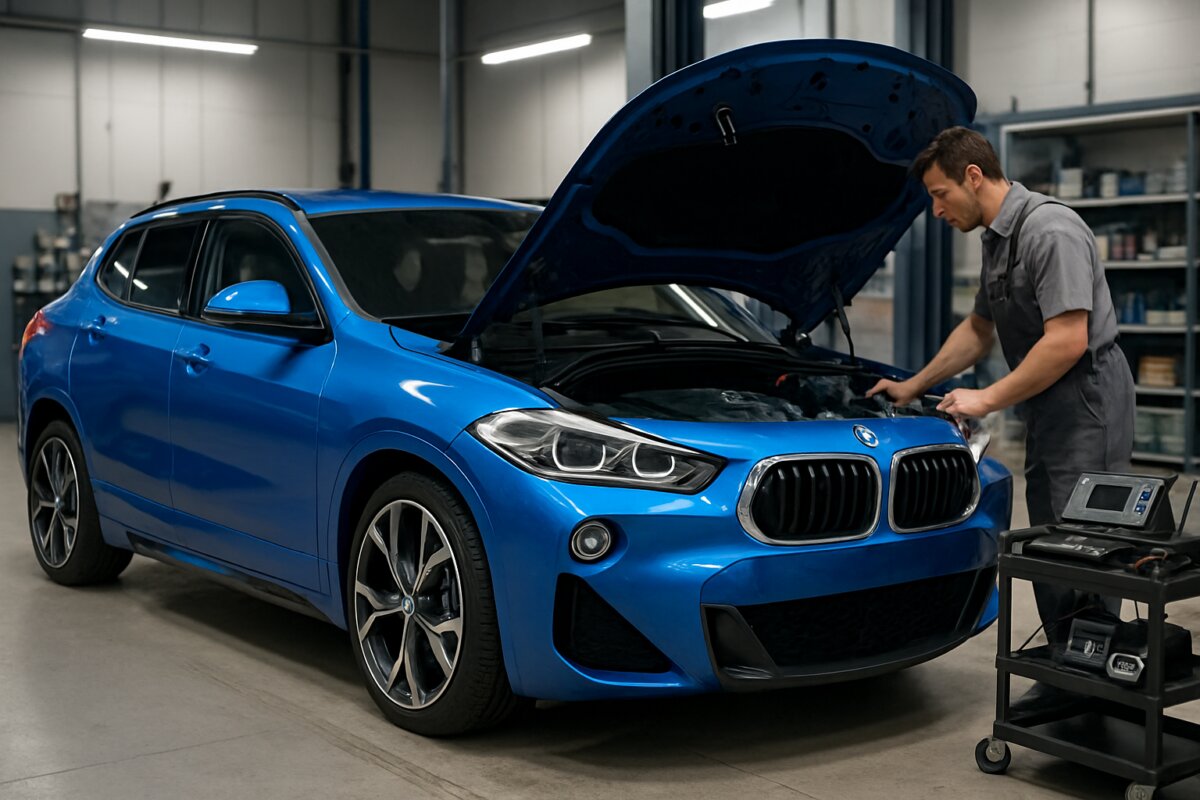
The BMW X2 arrived as a stylish compact crossover that promised sporty handling and premium build quality. However, like any vehicle, the X2 has developed a reputation for certain recurring issues that owners should be aware of. Understanding BMW X2 problems can help you maintain your vehicle properly and avoid costly repairs down the line. This guide explores the most common faults, how to spot them early, and what you can do to keep your X2 running smoothly.
Problem #1: Timing chain failure
One of the most serious issues affecting the BMW X2, particularly models with the B48 and B46 four-cylinder petrol engines, is premature timing chain wear. This problem typically manifests between 40,000 and 80,000 miles, though some vehicles have experienced failures even earlier.
The timing chain connects the crankshaft to the camshaft, ensuring valves open and close at precisely the right moments. When the chain stretches or the tensioner fails, you’ll hear a distinctive rattling noise from the engine bay, especially during cold starts. This rattling sounds like marbles shaking in a tin can and typically lasts for a few seconds after ignition.
Our mechanics at AutoPartsPro have seen dozens of X2 models requiring timing chain replacement. The issue stems from the design of the chain tensioner and guide rails, which wear prematurely under normal driving conditions. If left unaddressed, a failing timing chain can jump teeth or snap completely, causing catastrophic engine damage including bent valves and damaged pistons.
Regular oil changes using BMW-approved lubricants are crucial for timing chain longevity. Always use the correct viscosity engine oil and change it every 10,000 miles rather than extending service intervals.
The repair involves replacing the chain, tensioner, guide rails, and often the camshaft components. This is labour-intensive work that can cost between £1,500 and £3,000 at independent workshops, with main dealers charging considerably more.
Problem #2: Turbocharger issues
The turbocharger on both petrol and diesel X2 models has proven problematic, with failures occurring as early as 30,000 miles in some cases. The turbo is responsible for forcing compressed air into the engine, significantly increasing power output from relatively small displacement engines.
Common symptoms include a noticeable loss of power, excessive blue or black smoke from the exhaust, a high-pitched whining noise that increases with engine speed, and dashboard warning lights indicating reduced engine performance. You might also notice the engine going into limp mode, which limits power to prevent further damage.
The root cause often traces back to inadequate lubrication reaching the turbo bearings. Oil starvation can result from blocked oil feed pipes, contaminated oil, or infrequent service intervals. Carbon buildup on the variable geometry mechanism in diesel turbos is another frequent culprit, causing the actuator to stick and preventing proper boost control.
According to our diagnostic data, approximately 15% of X2 owners experience turbo-related problems within the first 100,000 miles. Diesel variants seem particularly susceptible to variable geometry turbo failures, whilst petrol models suffer more from wastegate actuator faults.
Replacement turbos cost between £800 and £2,500 depending on the engine variant, with labour adding another £500 to £800. Upgrading to a quality replacement unit rather than cheaper alternatives can prevent repeat failures.
Problem #3: Fuel system failures
Diesel X2 models have experienced repeated problems with high pressure fuel pump failures, whilst petrol variants suffer from fuel pump and injector issues. These components are critical for delivering fuel at the correct pressure and timing to ensure efficient combustion.
When the high-pressure fuel pump fails on diesel models, you’ll experience difficulty starting the engine, particularly when cold. The vehicle may run roughly, misfire under acceleration, or enter limp mode unexpectedly. Metal fragments from a failing pump can contaminate the entire fuel system, requiring replacement of injectors, fuel lines, and the fuel tank in severe cases.
Petrol models face different challenges, with low-pressure fuel pumps failing inside the tank. Symptoms include sputtering during acceleration, engine cutting out at high speeds, and failure to start after the vehicle has been sitting. The fuel level sensor often fails simultaneously, giving inaccurate readings on the dashboard.
Our workshop specialists recommend replacing the fuel filter at every service rather than extended intervals. Contaminated fuel is the leading cause of premature fuel system component failure. Always fill up at reputable petrol stations with high turnover to minimise the risk of contaminated fuel entering your tank.
Problem #4: Electrical gremlins and sensor failures
The BMW X2 features sophisticated electronics that occasionally cause frustration for owners. Multiple sensors throughout the vehicle monitor everything from emissions to safety systems, and when these fail, they trigger dashboard warnings and degraded performance.
The mass air flow sensor frequently fails between 50,000 and 70,000 miles, causing poor fuel economy, rough idling, and hesitation during acceleration. The O2 sensor deteriorates from carbon buildup, triggering emissions warnings and causing the engine management light to illuminate.
Parking sensor failures are particularly common on the X2, with rear parking sensors giving false readings or failing completely. This typically results from water ingress through poorly sealed sensor housings or impact damage from car park mishaps.
Battery drain issues plague many X2 owners, with the vehicle failing to start after being parked for just a few days. The battery itself may be fine, but parasitic draws from modules failing to enter sleep mode drain power overnight. Tracking down electrical faults requires specialist diagnostic equipment to identify which module is remaining active.
Control unit software glitches occasionally cause bizarre symptoms that disappear after a restart. BMW has released multiple software updates to address these issues, so ensuring your vehicle receives all technical service bulletins is important.
Problem #5: Suspension and steering component wear
The X2’s sporty setup and relatively firm suspension come at a cost: accelerated wear of suspension components. Front shock absorbers commonly fail between 40,000 and 60,000 miles, particularly on UK roads with their potholes and uneven surfaces.
Lower ball joints and suspension arms develop play and wear in their bushings, creating knocking sounds over bumps and reducing steering precision. The tie rod ends also wear prematurely, causing vibration through the steering wheel and uneven tyre wear.
Anti-roll bar drop links are another weak point, with the rubber bushings perishing quickly and the ball joints seizing. You’ll hear clunking from the front end when turning at low speeds or driving over speed bumps. These components are relatively inexpensive but require regular inspection.
Have your wheel alignment checked every 12 months or after hitting any substantial pothole. Misalignment accelerates tyre and suspension wear whilst compromising handling and safety.
Our technicians find that X2 models driven predominantly in urban environments suffer worse suspension wear than those covering motorway miles. The constant jarring from poor road surfaces and speed control measures takes its toll on bushings and dampers.
Warning signs your car has a problem
Recognising the early symptoms of developing faults can save you from expensive repairs and potential breakdowns. Here are the key warning signs BMW X2 owners should never ignore:
- Unusual noises: Rattling from the engine bay during cold starts indicates timing chain issues, whilst whining or whistling under acceleration suggests turbo problems
- Dashboard warnings: Engine management lights, tyre pressure monitoring alerts, or any flashing warnings require immediate diagnostic attention
- Performance changes: Loss of power, poor fuel economy, rough idling, or hesitation during acceleration all indicate developing problems
- Fluid leaks: Puddles under the vehicle, low fluid levels, or burning smells suggest leaking gaskets, seals, or damaged components
- Handling differences: Pulling to one side, vibration through the steering wheel, or excessive body roll indicate suspension or alignment issues
- Starting difficulties: Extended cranking, failure to start when cold, or clicking noises suggest fuel system, battery, or starter problems
How to fix the problems
Addressing BMW X2 problems requires different approaches depending on the severity and your mechanical knowledge. This table outlines the most effective solutions:
| Problem | DIY Solution | Professional Solution | Cost Range |
|---|---|---|---|
| Timing chain failure | Not recommended for DIY | Complete chain kit replacement including tensioner and guides | £1,500-£3,000 |
| Turbocharger issues | Check for boost leaks and clean MAF sensor | Turbo replacement or rebuild with new actuator | £1,200-£3,300 |
| Fuel system failures | Replace fuel filter, use quality fuel | High-pressure pump and injector replacement | £800-£2,500 |
| Sensor failures | Clean sensors, check connections | Diagnostics and sensor replacement | £100-£600 |
| Suspension wear | Replace drop links and bushings | Full suspension refresh with alignment | £400-£1,800 |
Prevention is always better than cure with BMW X2 problems. Following these maintenance priorities will reduce your risk:
| Maintenance Task | Recommended Interval | Why It Matters |
|---|---|---|
| Engine oil and filter change | Every 10,000 miles or annually | Prevents timing chain wear and turbo damage |
| Fuel filter replacement | Every 20,000 miles | Protects fuel system components from contamination |
| Brake fluid change | Every 2 years | Maintains braking performance and prevents corrosion |
| Coolant replacement | Every 4 years | Prevents corrosion and maintains optimal engine temperature |
| Suspension inspection | Every 12,000 miles | Identifies worn components before they fail |
When to see a mechanic
Knowing when to seek professional help prevents minor issues becoming major repairs. Visit a qualified technician immediately if you experience any flashing dashboard warnings, as these indicate serious faults requiring urgent attention. The engine management light flashing whilst driving suggests misfires that could damage the catalytic converter.
Strange noises that change with engine speed or vehicle movement need professional diagnosis. That rattling timing chain or whining turbo won’t fix itself and will only worsen with continued driving. Any loss of power, especially when accompanied by smoke or unusual smells, warrants immediate investigation.
Fluid leaks require prompt attention before you suffer component failure or run dangerously low on essential lubricants. Coolant leaks risk engine overheating, whilst brake fluid leaks compromise your ability to stop safely. Oil leaks not only make a mess but can lead to catastrophic engine failure if levels drop too low.
Steering or handling changes demand immediate inspection. If your X2 pulls to one side, vibrates excessively, or feels unstable, book a diagnostic appointment straightaway. These symptoms could indicate anything from simple wheel balance issues to serious suspension component failure.
Choose a mechanic with BMW-specific diagnostic equipment and experience. Generic code readers often miss BMW-specific faults, leading to misdiagnosis and wasted money on incorrect repairs. Independent specialists typically charge 30-40% less than main dealers whilst offering equivalent expertise.
Frequently asked questions (FAQ)
What are the most common BMW X2 engine problems?
Timing chain stretch affecting B48 petrol engines is the most prevalent issue, typically occurring between 40,000 and 80,000 miles. Turbocharger failures and fuel system problems also frequently affect both diesel and petrol variants.
How reliable is the BMW X2 compared to other compact SUVs?
The X2 ranks below average for reliability amongst premium compact crossovers. Timing chain and turbo issues particularly affect owner satisfaction. Regular maintenance significantly improves reliability, but expect higher running costs than Japanese competitors.
Is the BMW X2 expensive to maintain and repair?
Yes, maintenance costs run 25-40% higher than mainstream brands. Genuine BMW parts command premium prices, though quality aftermarket alternatives can reduce expenses. Budget £800-£1,200 annually for routine servicing plus a contingency for repairs.
Which BMW X2 engine is most reliable?
The 18d diesel engine with the B47 unit generally proves most dependable, though it’s not immune to DPF and EGR issues. Avoid early B48 petrol engines if possible, as later revisions addressed some timing chain problems.
Do BMW X2 timing chain problems affect all models?
Primarily affects 2018-2020 models with B48 and B46 petrol engines. BMW revised the tensioner design in later production, reducing but not eliminating the problem. Diesel variants use timing chains that prove more robust overall.
Final recommendation
The BMW X2 offers distinctive styling and engaging driving dynamics, but potential buyers must enter ownership with eyes wide open regarding reliability concerns. Timing chain issues on petrol models represent a significant financial risk, particularly for vehicles approaching 60,000 miles without documented chain replacement. Our specialists at AutoPartsPro strongly recommend obtaining a comprehensive pre-purchase inspection before buying any used X2.
Current owners should prioritise preventive maintenance over extended service intervals. Changing engine oil every 10,000 miles with quality synthetic lubricant, replacing the fuel filter regularly, and addressing warning signs immediately will significantly reduce your risk of expensive failures. Budget realistically for maintenance and keep a contingency fund for repairs.
Despite these issues, a well-maintained X2 from the later production years can provide rewarding ownership. The key is choosing the right example, maintaining it properly, and addressing problems before they escalate. For peace of mind, consider purchasing an extended warranty that covers major mechanical components like the timing chain and turbocharger. Visit AutoPartsPro for all your BMW X2 replacement parts and accessories, where our specialists can advise on the best components for your specific model year and engine variant.

 Loading...