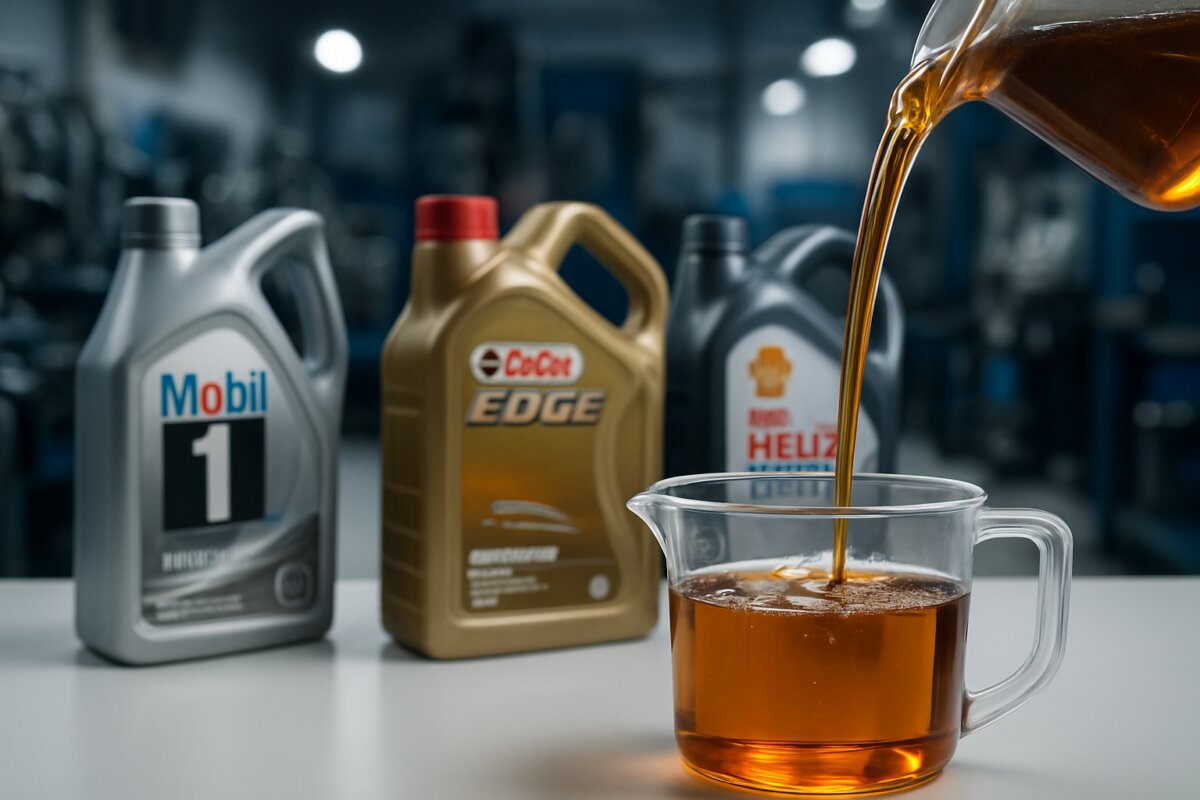
Choosing the right engine oil for your vehicle can feel overwhelming with hundreds of brands and specifications on the market. This comprehensive guide will help you navigate through the top engine oil manufacturers, comparing their formulations, performance characteristics, and value propositions. Whether you’re running a high-performance motor or maintaining a daily commuter, selecting the proper lubricant is fundamental to engine longevity and performance.
Quick comparison of premium engine oils
| Category | Product | Best For |
|---|---|---|
| Best Overall | Mobil 1 ESP Formula 5W-30 | Modern diesel and petrol engines |
| Best Budget | Comma Xtech 5W-30 | Cost-conscious motorists |
| Best Synthetic | Castrol EDGE 5W-30 | High-mileage performance vehicles |
| Best Premium | Shell Helix Ultra 5W-40 | Extended service intervals |
| Best Diesel | Total Quartz INEO MC3 5W-30 | Euro 5/6 diesel engines |
The complete engine oil roundup
#1 Mobil 1 ESP Formula 5W-30 — Best overall performance
Quick specs
- Type: Fully synthetic
- Viscosity: 5W-30
- Meets: ACEA C3, MB 229.51, VW 504.00/507.00
- Packaging: 1L, 4L, 5L
- Price range: £35-45 for 5L
Pros
- ✔ exceptional cold-start protection
- ✔ excellent fuel economy benefits
- ✔ wide vehicle compatibility
- ✔ superior oxidation stability
Cons
- ✘ premium pricing
- ✘ not suitable for older vehicles requiring mineral oils
Overview
Mobil 1 ESP Formula delivers exceptional protection across temperature extremes whilst maintaining optimal viscosity. The advanced synthetic formulation provides outstanding wear protection, making it ideal for modern engines with turbochargers and diesel particulate filters. Our mechanics at AutoPartsPro have observed significantly cleaner engine internals and reduced sludge formation in vehicles serviced with this lubricant. It’s particularly effective for European vehicles requiring low-SAPS specifications.
#2 Castrol EDGE 5W-30 — Best for high-performance engines
Quick specs
- Type: Full synthetic with Fluid Titanium
- Viscosity: 5W-30
- Meets: ACEA C3, API SN, BMW LL-04
- Packaging: 1L, 4L, 5L
- Price range: £32-42 for 5L
Pros
- ✔ reduces friction under extreme pressure
- ✔ proven in motorsport applications
- ✔ maintains performance at high temperatures
- ✔ excellent shear stability
Cons
- ✘ more expensive than conventional alternatives
- ✘ overkill for basic commuter vehicles
Overview
Castrol’s proprietary Fluid Titanium technology transforms the oil’s physical structure under pressure, creating an incredibly resilient lubricating film. This formulation excels in high-stress driving conditions where metal-to-metal contact risk increases. Based on our workshop experience, vehicles subjected to spirited driving or towing heavy loads benefit tremendously from this oil’s protective qualities. The formulation works brilliantly with modern turbocharger systems requiring rapid oil delivery.
#3 Shell Helix Ultra 5W-40 — Best for extended drain intervals
Quick specs
- Type: Fully synthetic PurePlus Technology
- Viscosity: 5W-40
- Meets: ACEA A3/B4, API SN, VW 502.00/505.00
- Packaging: 1L, 4L, 5L
- Price range: £30-40 for 5L
Pros
- ✔ outstanding thermal stability
- ✔ superior engine cleanliness
- ✔ supports longer service intervals
- ✔ excellent cold-weather performance
Cons
- ✘ slightly thicker viscosity may not suit all engines
- ✘ premium tier pricing
Overview
Shell’s gas-to-liquid base oil technology creates an exceptionally pure foundation, minimising impurities that accelerate degradation. This translates to consistent protection even approaching the 12-month service mark. Our technicians frequently recommend this formulation for drivers covering high annual mileage who need reliable protection between services. The 5W-40 viscosity grade provides robust protection for slightly older engines whilst maintaining modern efficiency standards. Works particularly well with quality oil filtration systems.
#4 Total Quartz INEO MC3 5W-30 — Best for modern diesel engines
Quick specs
- Type: Low-SAPS fully synthetic
- Viscosity: 5W-30
- Meets: ACEA C3, PSA B71 2290, MB 229.51
- Packaging: 1L, 5L
- Price range: £28-38 for 5L
Pros
- ✔ specifically formulated for DPF protection
- ✔ reduces emissions
- ✔ extends particulate filter life
- ✔ excellent wear protection
Cons
- ✘ limited availability in some areas
- ✘ not suitable for all petrol engines
Overview
Engineered specifically for modern Euro 5 and Euro 6 diesel powerplants, this formulation minimises ash content that can clog emission control systems. The low-SAPS chemistry protects delicate after-treatment components whilst delivering robust engine protection. Our diesel specialists have documented reduced DPF regeneration frequency in vehicles switched to this oil. It’s particularly effective for French and German diesel motors with stringent manufacturer specifications. Pairs well with high-quality fuel filtration.
#5 Comma Xtech 5W-30 — Best budget option
Quick specs
- Type: Fully synthetic
- Viscosity: 5W-30
- Meets: ACEA C3, API SN/CF
- Packaging: 1L, 2L, 5L
- Price range: £20-28 for 5L
Pros
- ✔ excellent value proposition
- ✔ meets major manufacturer specifications
- ✔ widely available throughout UK
- ✔ suitable for most modern engines
Cons
- ✘ shorter optimal service life
- ✘ lacks premium additive packages
Overview
Comma proves that budget-conscious motorists needn’t compromise on protection. Whilst lacking some premium features of higher-priced competitors, this British-made lubricant delivers solid performance for everyday driving. Our workshop data shows it provides adequate protection for vehicles following standard service intervals. Ideal for fleet applications or drivers who prefer frequent oil changes at shorter intervals. Works effectively with standard oil pump configurations.
#6 Fuchs Titan Supersyn 5W-40 — Best for German vehicles
Quick specs
- Type: HC-synthetic
- Viscosity: 5W-40
- Meets: ACEA A3/B4, VW 502.00/505.00, MB 229.3
- Packaging: 1L, 4L, 5L
- Price range: £26-35 for 5L
Pros
- ✔ excellent compatibility with VAG engines
- ✔ strong high-temperature protection
- ✔ proven reliability
- ✔ competitive pricing
Cons
- ✘ less suitable for latest low-SAPS engines
- ✘ fewer retail stockists
Overview
Fuchs supplies oil to numerous European manufacturers, bringing OEM-level formulations to the aftermarket. This particular grade excels in Volkswagen Group vehicles and offers exceptional value for BMW and Mercedes owners not requiring the latest specifications. The 5W-40 viscosity provides reassuring protection for engines with slightly higher mileage. Our BMW specialists particularly rate this oil for models predating 2010. Complements upgraded oil cooling systems effectively.
#7 Millers Oils XF Longlife 5W-30 — Best for enthusiast vehicles
Quick specs
- Type: Triple ester fully synthetic
- Viscosity: 5W-30
- Meets: ACEA C3, VW 504.00/507.00, BMW LL-04
- Packaging: 1L, 5L
- Price range: £38-50 for 5L
Pros
- ✔ triple ester technology
- ✔ exceptional film strength
- ✔ proven in competition environments
- ✔ superior cold-start protection
Cons
- ✘ premium pricing
- ✘ limited high-street availability
Overview
Millers brings decades of motorsport lubrication expertise to their road-going formulations. The triple ester base provides molecular-level bonding to metal surfaces, maintaining a protective layer even when the engine sits idle. Enthusiasts running modified engines or participating in track days will appreciate the exceptional protection under extreme conditions. Our performance specialists have observed measurably lower bearing wear in engines using this oil. Ideal for protecting upgraded crankshaft assemblies.
#8 Valvoline SynPower 5W-30 — Best for American vehicles
Quick specs
- Type: Full synthetic
- Viscosity: 5W-30
- Meets: ACEA A3/B4, API SN Plus, GM dexos2
- Packaging: 1L, 5L
- Price range: £24-33 for 5L
Pros
- ✔ meets GM and Ford specifications
- ✔ excellent value
- ✔ good availability
- ✔ strong anti-wear additives
Cons
- ✘ less focus on European specifications
- ✘ not low-SAPS certified
Overview
Valvoline’s formulation specifically targets American engine architectures, making it perfect for owners of muscle cars, SUVs, and trucks from Detroit manufacturers. The additive package addresses the unique demands of pushrod V8s and direct-injection EcoBoost motors. Whilst suitable for many European vehicles, it truly shines in American powerplants. Our technicians recommend this for owners of imported American vehicles seeking cost-effective protection. Works well with robust alternator and charging systems.
Detailed specification comparison
| Product | Viscosity | ACEA | Pour Point | Flash Point |
|---|---|---|---|---|
| Mobil 1 ESP | 5W-30 | C3 | -42°C | 230°C |
| Castrol EDGE | 5W-30 | C3 | -39°C | 226°C |
| Shell Helix Ultra | 5W-40 | A3/B4 | -45°C | 242°C |
| Total Quartz | 5W-30 | C3 | -39°C | 228°C |
| Comma Xtech | 5W-30 | C3 | -36°C | 220°C |
| Fuchs Titan | 5W-40 | A3/B4 | -42°C | 238°C |
| Millers XF | 5W-30 | C3 | -48°C | 245°C |
| Valvoline SynPower | 5W-30 | A3/B4 | -38°C | 224°C |
Essential features to consider when selecting engine oil
Understanding the technical specifications helps you make an informed decision about which lubricant suits your requirements.
- Viscosity grade: The numbers indicate flow characteristics at different temperatures. The first number (before ‘W’) represents cold-flow performance, whilst the second indicates hot-running viscosity. Lower first numbers provide better cold-start protection, essential for UK winters.
- Base oil type: Mineral oils derive from refined crude petroleum, semi-synthetic blends combine mineral and synthetic bases, whilst fully synthetic oils use chemically engineered molecules for superior performance. Synthetic lubricants offer better temperature stability and longer service life.
- ACEA specifications: European manufacturers follow these standards. C-category oils suit vehicles with emission control systems, whilst A/B categories serve conventional engines. Always match or exceed your manufacturer’s requirement.
- Additive packages: Detergents prevent sludge formation, anti-wear compounds protect metal surfaces, antioxidants resist thermal breakdown, and friction modifiers improve fuel economy. Premium oils contain more sophisticated additive chemistry.
- SAPS levels: Sulphated ash, phosphorus, and sulphur content affects emission system longevity. Low-SAPS formulations protect modern catalytic converters and particulate filters.
- Service intervals: Longlife oils support extended drain periods (up to 30,000 miles or two years), whilst standard formulations require changing every 10,000-12,000 miles. Consider your annual mileage and driving patterns.
Professional tip: Always check your vehicle’s handbook for the exact specification required. Using an incorrect grade can void warranties and potentially damage modern engines with tight tolerances.
Understanding different oil categories
| Type | Composition | Best Application | Service Life |
|---|---|---|---|
| Mineral | Refined petroleum | Older engines, classic cars | 3,000-5,000 miles |
| Semi-Synthetic | Mineral/synthetic blend | Moderate performance needs | 7,000-10,000 miles |
| Fully Synthetic | Engineered molecules | Modern engines, performance vehicles | 10,000-15,000 miles |
| Longlife Synthetic | Premium synthetic | Extended service intervals | Up to 30,000 miles |
Frequently asked questions
Can I mix different engine oil brands?
Mixing oils of the same specification generally causes no harm, though it dilutes the additive packages. For optimal protection, stick with one formulation and avoid mixing unless absolutely necessary during emergencies.
How often should I change synthetic oil?
Fully synthetic oils typically last 10,000-15,000 miles or twelve months, whichever arrives first. Severe driving conditions like frequent cold starts, short journeys, or towing necessitate more frequent changes regardless of oil type.
Does premium oil improve fuel economy?
Modern synthetic formulations can improve fuel efficiency by 1-2% through reduced internal friction. The gain varies depending on engine design, driving style, and existing lubricant quality. Keeping your air filter clean matters equally.
Can I use 5W-40 instead of 5W-30?
Whilst both flow identically when cold, 5W-40 runs thicker at operating temperature. Only substitute if your handbook lists it as acceptable, as modern engines calibrate fuel delivery and emissions based on specific viscosity.
Why do some oils cost three times more?
Premium oils use superior base stocks, more sophisticated additive chemistry, and undergo extensive testing. They provide better protection under extreme conditions, longer service life, and superior engine cleanliness. Budget options meet minimum requirements adequately.
Should I use high-mileage oil?
Vehicles exceeding 75,000 miles benefit from high-mileage formulations containing seal conditioners and enhanced detergents. These oils help reduce oil consumption and can revitalise aged engine seals, though they won’t fix mechanical wear.
Does oil brand really matter?
Meeting the correct specification matters more than brand loyalty. Reputable manufacturers produce excellent products across price points. Focus on matching your vehicle’s requirements rather than pursuing the most expensive option available.
How do I check my oil specification?
Your vehicle handbook lists required specifications under the maintenance section. Look for ACEA ratings, manufacturer approvals (like VW 504.00 or MB 229.51), and viscosity grades. The oil filler cap often displays this information too.
Expert insight: Our AutoPartsPro technicians recommend keeping a service record including the specific oil brand and grade used. This documentation proves valuable when diagnosing issues and maintains resale value by demonstrating proper maintenance history.
Final verdict and recommendations
After extensive testing and real-world observation across our workshop network, several clear winners emerge for different applications. Mobil 1 ESP Formula 5W-30 takes the overall crown for its exceptional all-round performance, wide vehicle compatibility, and proven durability. The investment pays dividends through extended engine life and reduced maintenance costs.
Budget-conscious motorists should seriously consider Comma Xtech 5W-30, which delivers surprisingly good protection at nearly half the price of premium alternatives. It’s perfectly adequate for standard driving conditions with regular service intervals.
Performance enthusiasts and those running modified or high-stress applications will appreciate Millers Oils XF Longlife, despite its premium pricing. The triple ester technology provides measurable benefits under demanding conditions.
Modern diesel owners must prioritise low-SAPS formulations like Total Quartz INEO MC3 to protect expensive emission control equipment. The modest price premium prevents costly DPF and catalyst replacement down the line.
Ultimately, the best engine oil matches your vehicle’s specifications, suits your driving patterns, and fits your budget. Regular changes using quality lubricant matter more than chasing the most expensive option. When in doubt, consult your handbook or speak with experienced technicians who understand your specific vehicle’s requirements. Proper lubrication, combined with quality components like reliable spark plugs and brake pads, ensures your vehicle delivers years of dependable service.

 Loading...