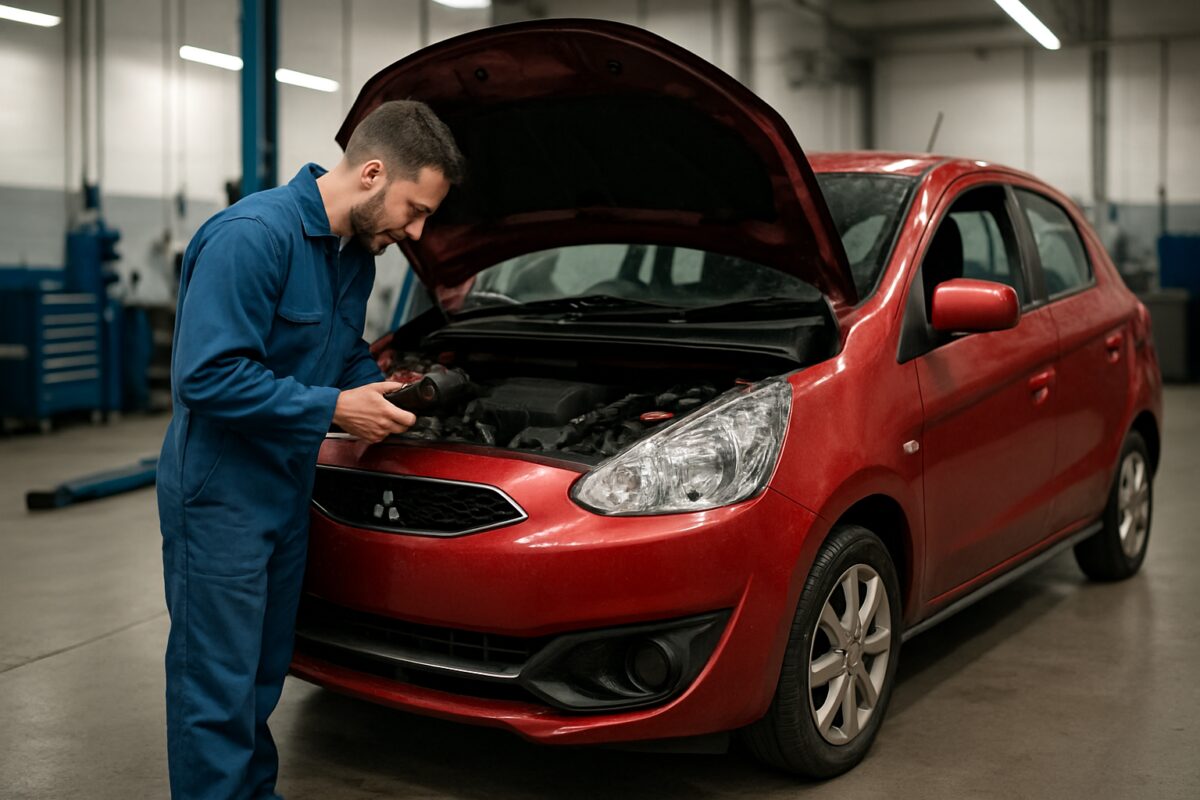
The Mitsubishi Space Star has earned its place as a practical city car, but like any vehicle, it comes with its share of reliability concerns. Understanding common problems with the Mitsubishi Space Star before they escalate can save you considerable time and money whilst keeping your car running smoothly on British roads.
Engine performance issues
The most frequently reported problem with the Space Star involves the engine’s performance, particularly in models from 2013-2019. Many owners experience rough idling, where the engine vibrates excessively when stationary. This issue often stems from faulty spark plugs that haven’t been replaced according to service intervals.
Another common concern is the engine’s tendency to hesitate during acceleration. The throttle response becomes sluggish, especially when pulling away from traffic lights or overtaking on dual carriageways. This problem typically indicates issues with the fuel delivery system or air intake components.
Carbon build-up in the intake manifold represents a significant concern for higher-mileage Space Stars. The direct injection system, whilst efficient, allows carbon deposits to accumulate on intake valves over time. This results in reduced power output and increased fuel consumption.
According to our mechanics at AutoPartsPro, regular maintenance of the air filtration system can prevent many engine performance issues in the Space Star.
Electrical system malfunctions
Electrical problems plague many Space Star models, particularly those manufactured between 2014-2018. The most common issue involves the central locking system failing intermittently. Owners report doors that won’t lock or unlock using the key fob, forcing them to use the manual key.
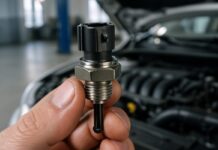
Dashboard warning lights appearing without apparent cause create another headache for Space Star drivers. The engine management light often illuminates sporadically, even when the engine runs normally. This typically indicates faulty sensors sending incorrect signals to the engine control unit.
Window mechanisms frequently fail in the Space Star, with electric windows becoming stuck in the down position. The problem usually originates from worn window regulators rather than electrical faults. However, diagnosing the exact cause requires proper testing of the electrical circuits.
The battery drainage issue affects many Space Star owners, particularly during winter months. The car’s electrical system draws power even when parked, leading to flat batteries after just a few days of non-use.
Suspension and steering problems
Suspension components in the Space Star show premature wear, especially in urban driving conditions. The front shock absorbers often develop leaks before reaching 60,000 miles, causing the car to bounce excessively over bumps and reducing overall comfort.
Steering rack issues manifest as heavy steering, particularly when manoeuvring at low speeds. The power steering system struggles to provide adequate assistance, making parking in tight spaces challenging. This problem often coincides with unusual noises from the steering mechanism.
The suspension arms and bushings deteriorate faster than expected in the Space Star. Worn bushings create clunking noises when driving over potholes or speed bumps. The handling becomes vague, and the car feels less stable during cornering.
Sway bar links represent another weak point in the Space Star’s suspension system. These components connect the anti-roll bar to the suspension and frequently break, causing rattling noises during driving.
Transmission difficulties
Manual transmission problems affect numerous Space Star models, with gear selection becoming notchy and difficult. The clutch mechanism shows signs of premature wear, particularly the clutch release bearing which creates grinding noises when the clutch pedal is pressed.
The CVT automatic transmission, available in some variants, develops its own set of issues. Owners report jerky acceleration and hesitation when changing between drive modes. The transmission fluid requires more frequent changes than specified in the service manual to maintain proper operation.
Clutch cable adjustment problems occur regularly in manual models. The cable stretches over time, affecting the clutch pedal’s bite point and making gear changes more difficult. Some drivers experience complete clutch failure when the cable snaps without warning.
The gear linkage mechanism suffers from wear, particularly in high-mileage vehicles. This creates imprecise gear selection and sometimes prevents engagement of certain gears entirely.
Warning Signs Your Car Has a Problem
Recognising early warning signs can prevent minor issues from becoming expensive repairs. Pay attention to these symptoms:
- Unusual engine noises, including knocking or ticking sounds
- Dashboard warning lights remaining illuminated
- Difficulty starting the engine, especially in cold weather
- Reduced fuel efficiency without changes in driving habits
- Steering wheel vibration or pulling to one side
- Strange odours from the engine bay or exhaust
- Transmission slipping or harsh gear changes
How to fix the problems
Different problems require specific approaches and varying levels of expertise. Here’s what you need to know:
| Problem Type | DIY Difficulty | Estimated Cost | Time Required |
|---|---|---|---|
| Spark plug replacement | Easy | £20-40 | 30-60 minutes |
| Air filter replacement | Easy | £15-25 | 15-30 minutes |
| Battery replacement | Moderate | £60-120 | 30-45 minutes |
| Shock absorber replacement | Difficult | £150-300 | 2-4 hours |
| Clutch replacement | Expert | £400-800 | 6-8 hours |
Our specialists recommend addressing electrical issues promptly, as they often indicate underlying problems that can affect other systems if left untreated.
For engine performance issues, start with basic maintenance. Replace air filters and spark plugs according to the service schedule. Clean the throttle body and check for vacuum leaks in the intake system.
Electrical problems often require systematic diagnosis. Check all fuses first, then test the alternator output and battery condition. Many electrical issues stem from poor earth connections that corrode over time.
| Maintenance Item | Service Interval | Signs of Wear | Replacement Priority |
|---|---|---|---|
| Engine oil | Every 10,000 miles | Dark colour, metal particles | High |
| Brake pads | Every 25,000-35,000 miles | Squealing, reduced stopping power | High |
| Coolant | Every 4-5 years | Discoloured, low level | Medium |
| Timing belt | Every 60,000-80,000 miles | Cracking, fraying edges | High |
When to See a Mechanic
Certain problems require professional attention to avoid safety risks or further damage. Contact a qualified mechanic immediately if you experience complete loss of power steering, as this affects your ability to control the vehicle safely.
Transmission issues warrant professional diagnosis, particularly if you notice slipping gears or grinding noises. Attempting DIY repairs on complex transmission systems often leads to more expensive problems.
Any electrical problems affecting safety systems like lights, indicators, or ABS sensors need immediate professional attention. These systems require specialised diagnostic equipment to identify fault codes accurately.
Engine performance problems that persist after basic maintenance suggest internal engine issues requiring expert evaluation. Professional diagnosis can prevent catastrophic engine failure.
Frequently Asked Questions (FAQ)
What’s the most common problem with Mitsubishi Space Star?
Engine performance issues, particularly rough idling and hesitation during acceleration, affect most Space Star models.
How reliable is the Mitsubishi Space Star long-term?
With proper maintenance, the Space Star provides decent reliability, though electrical and suspension components require attention.
Are Space Star parts expensive to replace?
Parts costs remain reasonable compared to premium brands, with most components readily available from aftermarket suppliers.
What mileage do Space Star engines typically reach?
Well-maintained engines commonly exceed 150,000 miles, though some may require major repairs around 100,000 miles.
Is the Space Star worth buying as a used car?
Yes, if you find one with full service history and address known issues promptly.
Final Recommendation
The Mitsubishi Space Star offers practical transportation at an affordable price, but potential buyers should understand its common problems before purchasing. Focus on models with comprehensive service histories and budget for suspension and electrical repairs.
Regular maintenance proves crucial for Space Star ownership. Following service schedules religiously and addressing minor issues promptly can extend the vehicle’s lifespan significantly. Consider the car’s age and mileage when evaluating repair costs versus replacement value.
For current owners, establishing relationships with knowledgeable mechanics familiar with Mitsubishi vehicles pays dividends. The Space Star rewards careful ownership with reliable service, making it suitable for budget-conscious drivers who prioritise practicality over performance.

 Loading...