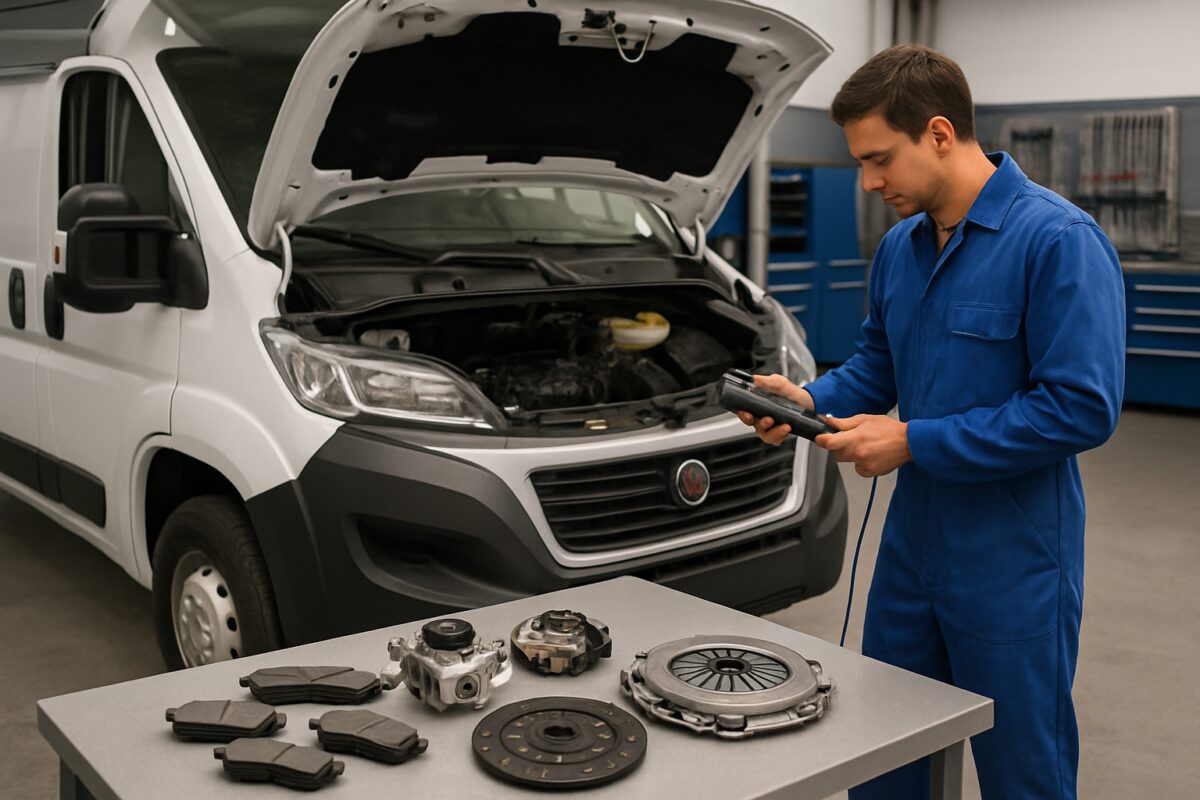
The Fiat Ducato remains one of Europe’s most popular commercial vehicles, but like any workhorse van, it faces specific mechanical challenges. Understanding common problems with the Fiat Ducato can save you time, money, and prevent roadside breakdowns. Our team at AutoPartsPro has compiled the most frequent issues based on years of experience serving UK motorists.
Problem #1: Engine overheating issues
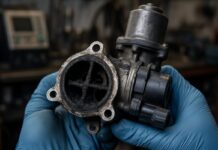
Engine overheating represents the most serious concern for Ducato owners, particularly in models from 2006 onwards. The 2.3 Multijet engine suffers from inadequate cooling system design, leading to frequent temperature spikes.
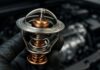
The primary culprit involves a faulty radiator thermostat that fails to open properly. This restricts coolant flow, causing temperatures to soar beyond safe operating limits. Additionally, the water pump commonly develops leaks around the 80,000-mile mark, reducing cooling efficiency significantly.
Blocked engine radiator cores compound the problem, especially in commercial environments where debris accumulates quickly. The cooling fan motor also tends to fail prematurely, leaving the engine vulnerable during low-speed operation or traffic jams.
Coolant system contamination occurs when the head gasket begins deteriorating. This mixing of oil and coolant creates a sludge that blocks narrow passages, making overheating inevitable.
> **Professional Tip**: Check your coolant level weekly and monitor temperature gauge readings closely. Early intervention prevents catastrophic engine damage that could cost thousands to repair.
Problem #2: Gearbox and clutch failures
Transmission problems plague the Ducato range, with manual gearboxes showing particular vulnerability. The most common complaint involves difficult gear selection, especially when engaging reverse or first gear from standstill.
The clutch kit typically fails between 60,000-80,000 miles in commercial applications. Heavy loading accelerates wear on the pressure plate and friction disc, resulting in slipping under load or complete failure to engage.
Clutch slave cylinder leakage creates another headache for owners. Brake fluid contamination from worn seals leads to spongy pedal feel and eventual clutch system failure. The clutch master cylinder also develops internal leaks, compounding hydraulic system problems.
Gearbox oil contamination occurs frequently due to worn input shaft seals. Metal particles circulate through the transmission, accelerating synchroniser wear and creating grinding noises during gear changes.
The gear linkage mechanism suffers from corrosion and wear, particularly the selector cables. This results in imprecise gear selection and occasional complete loss of certain gears.
Problem #3: Electrical system malfunctions
Modern Ducatos rely heavily on electronic systems, making electrical faults increasingly common. The most frustrating issue involves intermittent starting problems caused by faulty engine management sensors.
The mass air flow sensor fails regularly, causing poor idle quality and reduced power output. Contamination from oil vapours and debris disrupts accurate airflow measurements, confusing the engine control unit.
Alternator failure strikes without warning, typically around the 100,000-mile mark. The alternator regulator overheats due to poor ventilation in the engine bay, leading to charging system problems and battery drain.
Dashboard warning lights illuminate randomly due to corroded earth connections and damaged wiring looms. The ABS system particularly suffers from sensor contamination, triggering false warnings and reducing braking efficiency.
Central locking systems malfunction frequently, with door actuators failing and remote key fobs losing synchronisation. This leaves drivers stranded outside their vehicles or unable to secure them properly.
Problem #4: Suspension and steering concerns
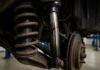
The Ducato’s commercial-grade suspension endures tremendous stress, leading to premature component failure. Front shock absorber units commonly leak oil, reducing ride quality and compromising vehicle stability.
Ball joint wear affects both upper and lower suspension arms, creating dangerous play in the steering. This manifests as wandering at motorway speeds and increased tyre wear patterns.
The power steering system develops leaks at high-pressure connections, particularly where rubber hoses meet metal fittings. The power steering pump struggles when fluid levels drop, creating groaning noises and heavy steering feel.
Rear leaf spring assemblies crack under constant loading, especially in long-wheelbase variants. This affects load distribution and can lead to complete suspension collapse in extreme cases.
Anti-roll bar bushings deteriorate rapidly due to road salt exposure, increasing body roll during cornering and reducing overall stability.
Problem #5: Brake system deterioration
Brake component failure represents a serious safety concern for Ducato operators. The most common issue involves rapid brake pads wear, particularly on rear axles carrying heavy loads.
Brake disc warping occurs frequently due to excessive heat buildup during prolonged braking. This creates vibration through the pedal and steering wheel, indicating immediate replacement requirements.
The brake vacuum servo develops leaks in its diaphragm, resulting in increased pedal effort and longer stopping distances. This component failure often goes unnoticed until emergency braking situations arise.
Brake fluid contamination through moisture absorption reduces system effectiveness and accelerates internal corrosion. The brake fluid turns dark brown when replacement becomes critical.
Handbrake cable adjustment becomes problematic as components stretch and corrode. This leads to insufficient parking brake effectiveness and potential vehicle movement on gradients.
Warning signs your car has a problem
Recognising early warning signals can prevent minor issues becoming major expenses. Your Ducato communicates problems through various symptoms that require immediate attention.
- Temperature gauge reading above normal operating range
- Unusual noises during gear changes or clutch operation
- Dashboard warning lights remaining illuminated
- Steering wheel vibration or pulling to one side
- Reduced braking effectiveness or spongy pedal feel
- Excessive exhaust smoke or unusual engine sounds
- Fluid leaks visible under the parked vehicle
- Difficulty starting or irregular idle patterns
- Suspension bounce or harsh ride quality
- Electrical components functioning intermittently
> **Expert Advice**: Never ignore warning signs, especially those affecting safety-critical systems. Early diagnosis prevents costly repairs and ensures roadworthy operation.
How to fix the problems
Addressing Ducato problems requires systematic diagnosis and quality replacement parts. The following approaches provide effective solutions for common issues.
| Problem Area | Recommended Solution | Typical Cost Range |
|————–|———————|——————–|
| Engine Overheating | Replace thermostat, water pump, radiator service | £200-£800 |
| Clutch Failure | Complete clutch kit replacement with hydraulics | £400-£900 |
| Electrical Faults | Sensor replacement, wiring loom repair | £100-£500 |
| Suspension Wear | Shock absorber and bush replacement | £300-£700 |
| Brake Problems | Pad, disc, and fluid replacement | £150-£400 |
Prevention strategies significantly reduce repair frequency and costs:
| Maintenance Task | Frequency | Benefits |
|——————|———–|———-|
| Coolant system flush | Every 2 years | Prevents overheating and corrosion |
| Clutch adjustment | Every 6 months | Extends clutch life and improves operation |
| Brake fluid replacement | Every 2 years | Maintains braking performance and prevents corrosion |
| Suspension inspection | Every service | Identifies wear before failure occurs |
| Electrical system check | Annually | Prevents unexpected breakdowns |
When to see a mechanic
Professional intervention becomes essential when symptoms indicate serious mechanical problems. Don’t attempt repairs beyond your skill level, especially on safety-critical systems.
Seek immediate professional help when experiencing engine overheating, complete clutch failure, or brake system malfunctions. These situations pose immediate safety risks and require specialist diagnosis.
Electrical problems often require diagnostic equipment beyond typical home workshops. Modern Ducatos use complex engine management systems that demand professional-grade scan tools for accurate fault identification.
Transmission repairs typically involve specialised knowledge and tools. Attempting gearbox work without proper equipment can cause expensive damage and void warranty coverage.
- Annual safety inspections and MOT preparation
- Complex electrical system diagnostics
- Engine timing belt replacement procedures
- Transmission rebuilds and major repairs
- Air conditioning system servicing
- Advanced brake system work including ABS
Frequently asked questions
What’s the most common Fiat Ducato engine problem?
Overheating due to thermostat failure and water pump leaks represents the most frequent engine issue affecting reliability and performance.
How long do Ducato clutches typically last?
Commercial use reduces clutch life to 60,000-80,000 miles, while lighter applications may achieve 100,000+ miles before replacement.
Why does my Ducato have steering problems?
Power steering pump failure, worn ball joints, or damaged suspension components typically cause steering difficulties and handling issues.
Are Ducato electrical problems expensive to fix?
Simple sensor replacements cost £100-£200, but complex wiring faults or control unit failures can exceed £500 for repairs.
When should I replace my Ducato’s brake components?
Replace brake pads when thickness drops below 3mm, and discs showing scoring, cracking, or thickness variation beyond specifications.
Final recommendation
The Fiat Ducato remains an excellent commercial vehicle choice when properly maintained. Regular servicing using quality replacement parts prevents most common problems from developing into expensive repairs. Our experience at AutoPartsPro shows that proactive maintenance costs significantly less than reactive repairs.
Focus attention on cooling system maintenance, clutch operation monitoring, and brake system inspection. These areas cause the most problems but respond well to preventive care. Don’t ignore warning signs – early intervention saves money and prevents dangerous failures.
Choose genuine or equivalent quality parts for replacements. Cheap alternatives may seem attractive initially but often fail prematurely, creating false economy. Invest in your Ducato’s reliability through quality components and professional servicing when required.

 Loading...