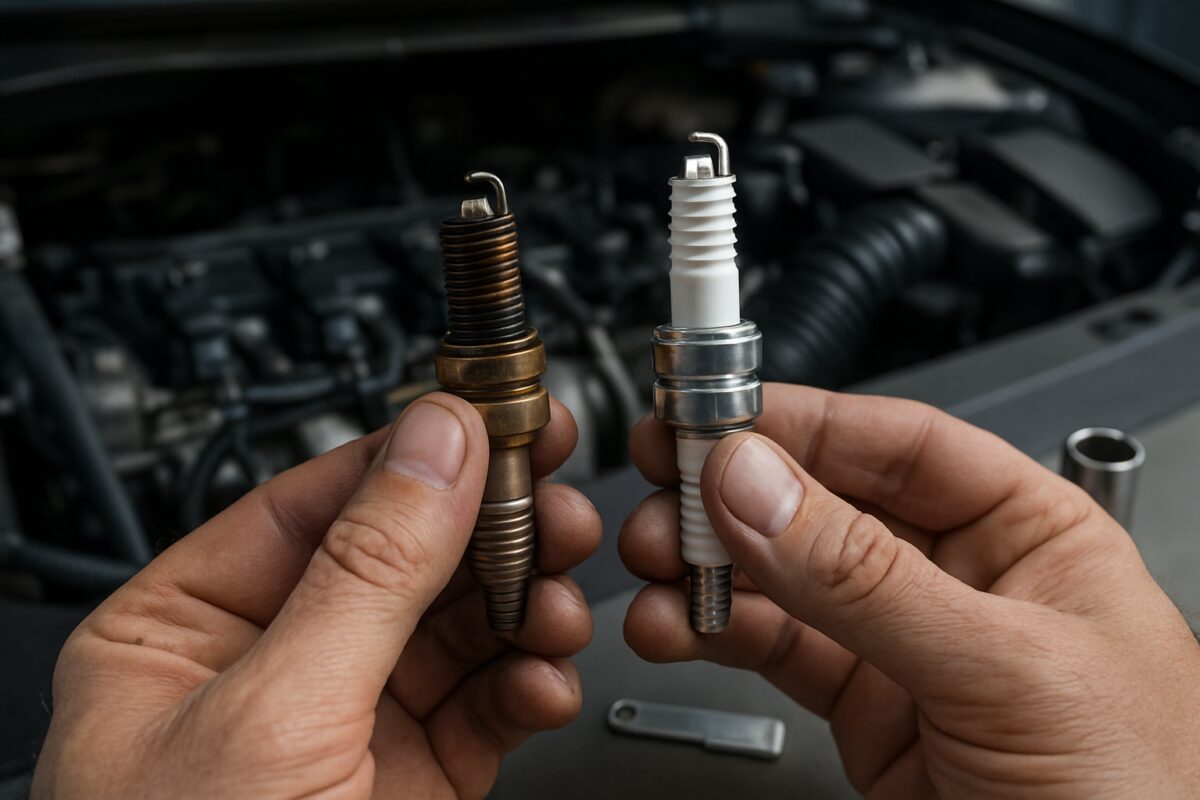
Spark plugs typically last between 30,000 to 100,000 miles depending on their material composition and your vehicle’s engine type. Standard copper spark plugs need replacement every 30,000-40,000 miles, while platinum plugs last 60,000-80,000 miles, and iridium spark plugs can endure up to 100,000 miles. Modern engines with direct injection systems may require more frequent spark plug changes due to increased stress on ignition components.
Understanding how long spark plugs last is crucial for maintaining your vehicle’s performance and preventing costly engine damage. These essential components create the electrical arc that ignites the air-fuel mixture in your engine’s combustion chambers, making them vital for smooth operation.
Factors affecting spark plug lifespan
Several variables influence spark plug longevity beyond the basic material specifications. Your driving habits play a significant role – frequent short trips prevent the engine from reaching optimal operating temperature, causing carbon buildup on the electrodes.
Engine design also matters considerably. Turbocharged engines create higher combustion pressures that accelerate spark plug wear. Similarly, high-performance engines with advanced timing systems place additional demands on spark plugs.
Fuel quality affects spark plug condition substantially. Lower-grade petrol with additives can leave deposits on electrodes, reducing their effectiveness. Regular use of premium fuel helps maintain cleaner combustion and extends plug life.
Poor maintenance practices accelerate wear significantly. Dirty air filters allow contaminants into the combustion chamber, whilst neglected oil changes create carbon deposits that interfere with proper ignition.
Signs your spark plugs need replacement
Recognising failing spark plug symptoms prevents engine damage and maintains fuel efficiency. Modern vehicles often mask early warning signs through sophisticated engine management systems, making regular inspection essential.
According to our AutoPartsPro mechanics, the most reliable indicator is engine misfiring during acceleration. This occurs when worn electrodes cannot create a strong enough spark to ignite the compressed air-fuel mixture consistently.
Engine performance symptoms
Poor acceleration indicates struggling spark plugs trying to maintain combustion efficiency. You’ll notice reduced power output when overtaking or climbing hills, particularly under heavy throttle applications.
Rough idling suggests inconsistent firing across cylinders. The engine may shake or vibrate more than usual, especially noticeable when stopped at traffic lights with the transmission in drive.
Cold starting difficulties often stem from worn spark plugs that cannot generate sufficient spark energy when electrodes are fouled with carbon deposits or oil contamination.
Fuel economy indicators
Decreased fuel efficiency occurs when incomplete combustion forces the engine management system to compensate with richer fuel mixtures. Our specialists regularly see 10-15% fuel economy drops in vehicles with severely worn plugs.
Black exhaust smoke indicates rich running conditions caused by misfiring cylinders. This symptom often accompanies rough running and poor acceleration, particularly during warm-up periods.
Spark plug material types and longevity
Different electrode materials offer varying service intervals and performance characteristics. Understanding these differences helps you choose appropriate replacement intervals for your specific vehicle.
| Material Type | Typical Lifespan | Advantages | Disadvantages |
|—————|——————|————|—————|
| Copper | 30,000-40,000 miles | Excellent conductivity, lowest cost | Shortest lifespan, frequent replacement |
| Platinum | 60,000-80,000 miles | Good durability, moderate cost | Higher price than copper |
| Iridium | 80,000-100,000 miles | Longest lifespan, best performance | Highest initial cost |
| Double Platinum | 60,000-100,000 miles | Enhanced durability for waste spark systems | Premium pricing |
Copper spark plugs provide excellent thermal conductivity but wear rapidly due to soft electrode material. They’re ideal for older engines or high-performance applications requiring frequent servicing.
Platinum plugs offer extended service intervals whilst maintaining good ignition performance. Single platinum designs work well in conventional ignition systems, whilst double platinum variants suit waste spark configurations.
Iridium spark plugs represent the premium option with exceptional durability. Their hard electrode material resists wear whilst the fine centre electrode improves combustion efficiency and fuel economy.
Replacement intervals by vehicle type
Manufacturer recommendations provide baseline service intervals, but real-world conditions may require more frequent changes. Our AutoPartsPro technicians advise adjusting intervals based on driving patterns and engine condition.
Petrol engines
Standard naturally aspirated petrol engines typically follow manufacturer intervals closely. Most require spark plug replacement every 60,000-80,000 miles with platinum plugs, or 30,000-40,000 miles with copper variants.
Turbocharged petrol engines operate under higher stress levels, generating increased combustion pressures and temperatures. These conditions accelerate electrode wear, often requiring replacement 20-30% sooner than manufacturer recommendations.
Direct injection engines present unique challenges due to carbon buildup on intake valves. This contamination can affect combustion quality, potentially shortening spark plug life despite advanced injection technology.
High-performance vehicles
Sports cars and modified engines demand more frequent spark plug changes due to aggressive tuning and higher operating temperatures. Performance applications often use colder heat range plugs that may require replacement every 20,000-30,000 miles.
Track-driven vehicles experience extreme conditions that accelerate wear significantly. Regular inspection after track sessions helps identify early wear patterns and prevents costly engine damage.
Professional vs DIY replacement
Spark plug replacement appears straightforward, but modern engines present accessibility challenges that complicate the procedure. Overhead cam engines often require removing ignition coils and various components to access plugs.
Professional replacement ensures proper torque specifications and gap settings. Our mechanics use specialised tools to prevent thread damage in aluminium cylinder heads, which can result in expensive repairs if overtightened.
> **Professional Tip:** Always use a torque wrench when installing spark plugs. Hand-tightening followed by a quarter-turn with a plug spanner provides adequate torque for most applications, but aluminium heads require precise torque specifications to prevent thread damage.
Cost considerations
| Service Type | Typical Cost Range | Time Required | Benefits |
|————–|——————-|—————|———-|
| DIY Replacement | £15-60 (parts only) | 1-3 hours | Cost savings, learning experience |
| Professional Service | £80-200 (parts + labour) | 30-90 minutes | Proper torque, warranty coverage |
| Mobile Mechanic | £90-150 (parts + labour) | 45-120 minutes | Convenience, competitive pricing |
DIY replacement saves labour costs but requires proper tools and knowledge. Spark plug sockets with rubber inserts prevent plug damage during removal, whilst gap gauges ensure correct electrode spacing.
Professional installation includes complementary services like ignition lead inspection and coil testing. Many workshops offer package deals combining spark plug replacement with other ignition system maintenance.
Engine damage from worn spark plugs
Neglecting spark plug replacement causes progressively worse engine problems that escalate repair costs significantly. Early replacement prevents these complications and maintains optimal engine performance.
Misfiring cylinders create unburned fuel that contaminates the catalytic converter. This precious metal component can overheat and fail, resulting in expensive replacement costs exceeding £1,000 for many vehicles.
Cylinder damage risks
Persistent misfiring allows raw fuel to wash lubricating oil from cylinder walls. This condition accelerates piston ring wear and can cause cylinder scoring that requires major engine rebuilding.
Pre-ignition from overheated spark plugs creates destructive pressure waves that damage pistons, connecting rods, and bearings. This catastrophic failure often necessitates complete engine replacement rather than repair.
Carbon fouling from incomplete combustion accumulates on intake valves and combustion chambers. This buildup reduces engine efficiency and can cause valve burning that requires cylinder head removal for repair.
Maintenance tips for longer spark plug life
Proper maintenance practices significantly extend spark plug lifespan whilst improving engine performance. Regular attention to related systems prevents premature wear and maintains optimal combustion efficiency.
Quality fuel makes a substantial difference in spark plug longevity. Premium grades contain detergent additives that keep combustion chambers cleaner, whilst avoiding supermarket fuel reduces deposit formation on electrodes.
Driving habits that help
- Allow complete engine warm-up before demanding full power
- Use higher engine speeds occasionally to burn off carbon deposits
- Avoid excessive idling that promotes carbon buildup
- Maintain steady motorway speeds to achieve optimal operating temperatures
- Address check engine lights promptly to prevent cascading problems
Regular oil changes prevent combustion chamber contamination that fouls spark plug electrodes. Following manufacturer intervals with quality oil maintains proper lubrication and reduces carbon formation significantly.
Air filter maintenance ensures clean air entering the combustion chamber. Dirty filters restrict airflow and alter air-fuel mixtures, causing rich running conditions that accelerate spark plug fouling.
Choosing the right replacement plugs
Selecting appropriate replacement spark plugs requires understanding your engine’s specific requirements. Heat range, electrode gap, and thread reach must match manufacturer specifications to prevent engine damage.
Heat range determines how quickly the plug dissipates combustion heat. Colder plugs resist fouling in high-performance applications, whilst hotter plugs prevent fouling in low-load driving conditions.
OEM vs aftermarket options
Original equipment manufacturer plugs guarantee compatibility with your engine’s design parameters. These specifications account for combustion chamber shape, compression ratio, and ignition timing requirements.
Aftermarket alternatives offer performance improvements or cost savings, but require careful selection. Premium brands like NGK, Bosch, and Champion provide reliable alternatives with extensive application listings.
Advanced ignition system considerations
Modern engines incorporate sophisticated ignition systems that affect spark plug selection and replacement intervals. Coil-on-plug designs eliminate distributors but place ignition coils directly above spark plugs, complicating access.
Variable valve timing systems alter combustion characteristics throughout the engine’s operating range. These changes can affect spark plug heat range requirements and may necessitate specific plug designs for optimal performance.
Fuel injection mapping influences combustion quality and spark plug wear patterns. Engines with aggressive tuning or aftermarket modifications may require different plug specifications than standard applications.
Diagnostic capabilities
Modern engine management systems monitor ignition performance through various sensors and can detect misfiring before symptoms become apparent. Regular diagnostic scanning helps identify developing problems early.
Knock sensors detect abnormal combustion that can indicate spark plug problems. These sensors help protect engines from damage whilst providing valuable information about ignition system health.
Cost-effective maintenance strategies
Implementing structured maintenance approaches maximises spark plug life whilst minimising total ownership costs. Bundling related services reduces labour expenses and ensures comprehensive system care.
Timing spark plug replacement with other scheduled maintenance items spreads costs across service intervals. Combining plug changes with oil filter replacement or timing belt service reduces overall labour charges.
Buying quality replacement parts from established suppliers ensures proper fit and performance. Cheap alternatives may save initial costs but often require premature replacement, increasing long-term expenses.
Bulk purchasing benefits
Purchasing complete sets rather than individual plugs often provides cost savings. Many suppliers offer discounts for full engine sets, and having spares available prevents emergency purchases at premium prices.
Consider upgrading to longer-lasting materials when replacement time arrives. The initial cost difference between copper and iridium plugs often pays for itself through extended service intervals.
Regular maintenance prevents small problems from becoming expensive repairs. Following manufacturer guidelines whilst adjusting for your specific driving conditions ensures optimal engine performance and longevity. Quality spark plugs from reputable suppliers provide the foundation for reliable ignition system operation, making this investment essential for every vehicle owner.
Frequently Asked Questions (FAQ)
How often should I change my spark plugs?
Change copper spark plugs every 30,000-40,000 miles, platinum plugs every 60,000-80,000 miles, and iridium plugs every 80,000-100,000 miles, depending on your engine type and driving conditions.
What happens if I don’t replace worn spark plugs?
Worn spark plugs cause engine misfiring, reduced fuel economy, poor acceleration, and can damage expensive components like catalytic converters, potentially costing thousands in repairs.
Can I replace spark plugs myself?
Yes, but modern engines often require removing ignition coils and other components. Professional installation ensures proper torque specifications and prevents expensive thread damage in aluminium heads.
How do I know which spark plugs to buy?
Use your vehicle’s handbook or consult manufacturer specifications for heat range, gap, and thread specifications. OEM plugs guarantee compatibility, whilst quality aftermarket alternatives offer performance upgrades.
Why do turbocharged engines need more frequent spark plug changes?
Turbo engines operate under higher pressures and temperatures, accelerating electrode wear. They typically require replacement 20-30% sooner than naturally aspirated engines with similar mileage.

 Loading...