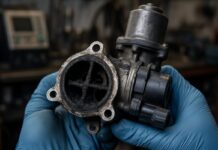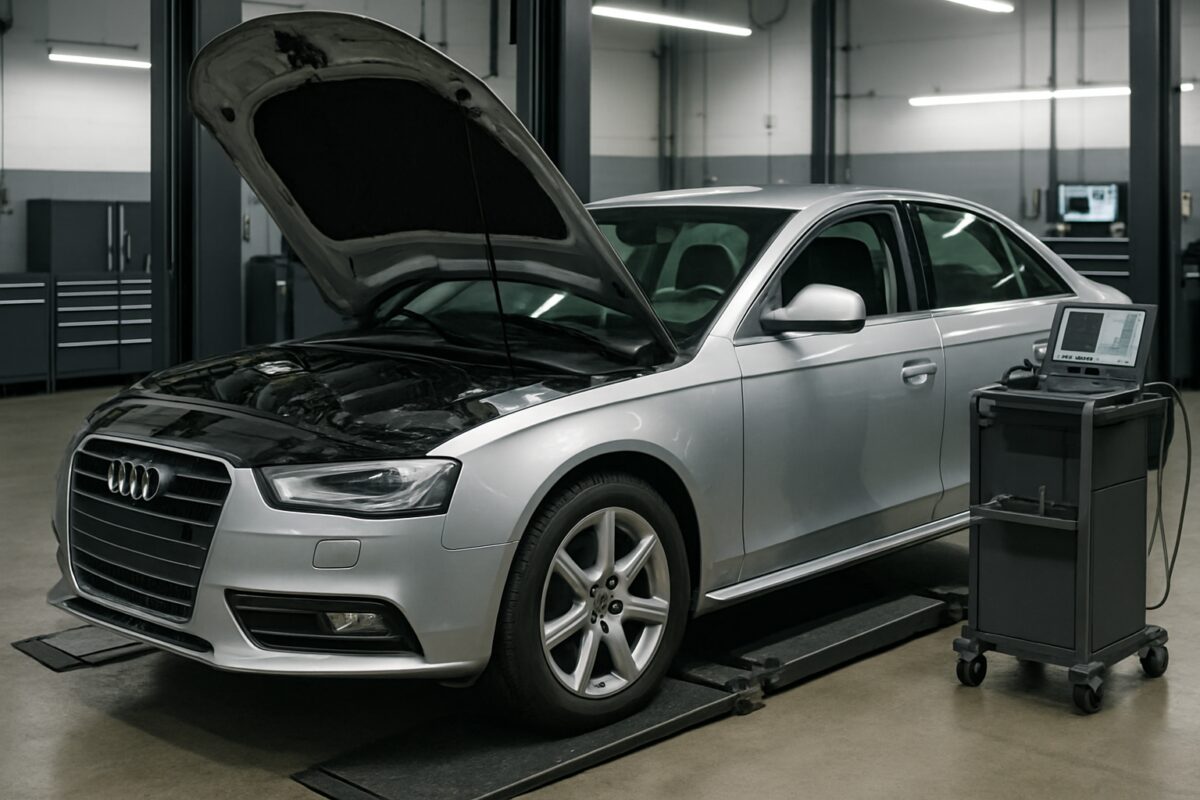
The Audi A4 B8, produced from 2007 to 2015, remains a popular choice amongst UK motorists. However, this generation faces several recurring mechanical issues that owners should understand. Recognising these problems early can save you significant repair costs and keep your vehicle running smoothly on British roads.
Problem #1: Timing chain tensioner failure
The B8 A4’s timing chain tensioner represents one of the most serious issues affecting these vehicles. This component maintains proper tension on the timing chain, ensuring valve timing remains accurate. When the tensioner fails, the chain stretches and creates a distinctive rattling noise from the engine bay.
Our specialists at Autopartspro have observed this problem primarily in 2.0 TFSI engines, particularly those manufactured between 2008 and 2012. The plastic tensioner guides deteriorate over time, causing chain slack. If left unchecked, this can result in catastrophic engine damage when the chain jumps timing.
Professional tip: Listen for rattling sounds during cold starts – this often indicates early timing chain issues before complete failure occurs.
The repair involves replacing the entire timing chain tensioner assembly, including guides and the chain itself. This complex procedure requires engine disassembly and typically costs between £1,500-£2,500 at independent garages.
Problem #2: Oil consumption issues
Excessive oil consumption plagues many B8 A4 models, particularly those equipped with the 2.0 TFSI engine. This problem stems from worn piston rings and valve stem seals, causing oil to burn in the combustion chamber. Owners often notice blue smoke from the exhaust and rapidly depleting oil levels.
The issue typically manifests after 80,000 miles, though some vehicles experience problems earlier. Carbon buildup on intake valves exacerbates the situation, reducing engine efficiency and increasing oil burn rates. Regular monitoring of engine oil levels becomes essential for affected vehicles.
According to our technical team’s experience, some B8 A4s consume up to one litre of oil every 1,000 miles. Audi initially claimed consumption rates up to this level were ‘normal’, though many owners disagree. The problem requires engine rebuild or replacement in severe cases.
Expert advice: Check oil levels weekly and top up as needed – running low can cause additional engine damage beyond the original problem.
Problem #3: Carbon buildup in direct injection engines
Direct injection engines in the B8 A4 suffer from carbon accumulation on intake valves. Unlike port injection systems, these engines don’t wash valves with fuel, allowing carbon deposits to accumulate over time. This buildup restricts airflow and affects engine performance.
Symptoms include rough idling, reduced power output, and increased fuel consumption. The problem typically becomes noticeable around 60,000-80,000 miles. Our mechanics regularly see vehicles requiring professional carbon cleaning services to restore proper engine function.
Prevention involves using quality fuels and regular air filter replacement. However, professional walnut blasting or chemical cleaning becomes necessary once deposits accumulate significantly.
Problem #4: Electrical system malfunctions
The B8 A4’s complex electrical architecture creates numerous potential failure points. Common issues include malfunctioning control units, intermittent warning lights, and various sensor failures. The vehicle’s advanced systems, whilst impressive when working, can be problematic when components fail.
MMI (Multi Media Interface) system failures are particularly common, causing loss of radio, navigation, and climate control functions. Window regulators also fail frequently, leaving occupants unable to operate electric windows. These electrical gremlins often require specialist diagnostic equipment to identify root causes.
Problem #5: Suspension component wear
Front suspension components wear prematurely on many B8 A4 models. Suspension arm bushings, ball joints, and anti-roll bar links commonly require replacement before 100,000 miles. UK road conditions, particularly potholes and speed humps, accelerate this wear.
Symptoms include knocking noises over bumps, uneven tyre wear, and reduced handling precision. Regular inspection of shock absorbers and associated components helps identify problems early.
Warning signs your car has a problem
Recognising early warning signs prevents minor issues becoming major repairs. Here are the most common indicators:
- Unusual engine noises, particularly rattling during cold starts
- Excessive oil consumption requiring frequent top-ups
- Blue or white smoke from exhaust pipes
- Rough idling or reduced engine performance
- Warning lights illuminating on the dashboard
- Knocking sounds from suspension over bumps
- Electrical components failing intermittently
- Uneven tyre wear patterns
- Difficulty starting, especially when cold
- Reduced fuel economy compared to normal
- Oil leaks visible under the parked vehicle
- Strange odours from engine bay or exhaust
- Vibrations through steering wheel or pedals
How to fix the problems
| Problem | Solution | Approximate Cost | Difficulty Level |
|---|---|---|---|
| Timing chain tensioner | Replace complete timing kit | £1,500-£2,500 | Professional only |
| Oil consumption | Engine rebuild/replacement | £3,000-£8,000 | Professional only |
| Carbon buildup | Professional cleaning service | £300-£600 | Professional recommended |
| Electrical faults | Component replacement/reprogramming | £150-£1,000 | Professional diagnosis required |
| Suspension wear | Replace worn components | £200-£800 | Intermediate to professional |
| Maintenance Item | Interval | Parts Needed |
|---|---|---|
| Oil and filter change | Every 10,000 miles | Oil filter, engine oil |
| Air filter replacement | Every 20,000 miles | Air filter element |
| Spark plug replacement | Every 40,000 miles | Spark plugs |
| Brake inspection | Every 20,000 miles | Brake pads, brake discs |
When to see a mechanic
Certain symptoms require immediate professional attention to prevent catastrophic damage. Engine rattling noises, particularly during cold starts, indicate potential timing chain problems requiring urgent diagnosis. Any warning lights related to engine management, oil pressure, or temperature should prompt immediate garage visits.
Electrical faults often require specialist diagnostic equipment beyond typical home mechanics’ capabilities. Modern Audi systems integrate multiple control modules, making fault-finding complex without proper tools. Similarly, timing chain repairs demand professional expertise due to the precision required.
Our recommendation is seeking professional help when problems affect safety-critical systems like brakes, steering, or major engine components. Early intervention typically costs less than waiting until complete component failure occurs.
Frequently asked questions
What year Audi A4 B8 has the most problems?
2008-2012 models experience the highest frequency of timing chain and oil consumption issues, particularly early 2.0 TFSI engines.
How much does timing chain replacement cost on B8 A4?
Professional timing chain replacement typically costs £1,500-£2,500 including labour, parts, and associated components like water pump replacement.
Is high oil consumption normal in B8 A4?
Whilst Audi claimed up to 1 litre per 1,000 miles was acceptable, most owners consider this excessive consumption problematic.
How often should I check oil levels in my B8 A4?
Weekly oil level checks are recommended, particularly for vehicles showing signs of consumption issues or approaching higher mileages.
Can I prevent carbon buildup in my direct injection engine?
Regular use of quality fuels, maintaining proper cabin filter replacement, and occasional spirited driving helps minimise accumulation rates.
Final recommendation
Despite these known issues, the Audi A4 B8 remains a capable vehicle when properly maintained. Our technical team recommends purchasing examples with comprehensive service histories and evidence of timing chain replacement where applicable. Budget £2,000-£3,000 annually for maintenance and repairs on higher mileage examples.
Regular servicing using quality components significantly reduces problem frequency. When issues arise, address them promptly to prevent escalation into major repairs. The B8 A4 rewards diligent maintenance with refined driving characteristics and strong residual values, making ownership worthwhile despite potential challenges.

 Loading...