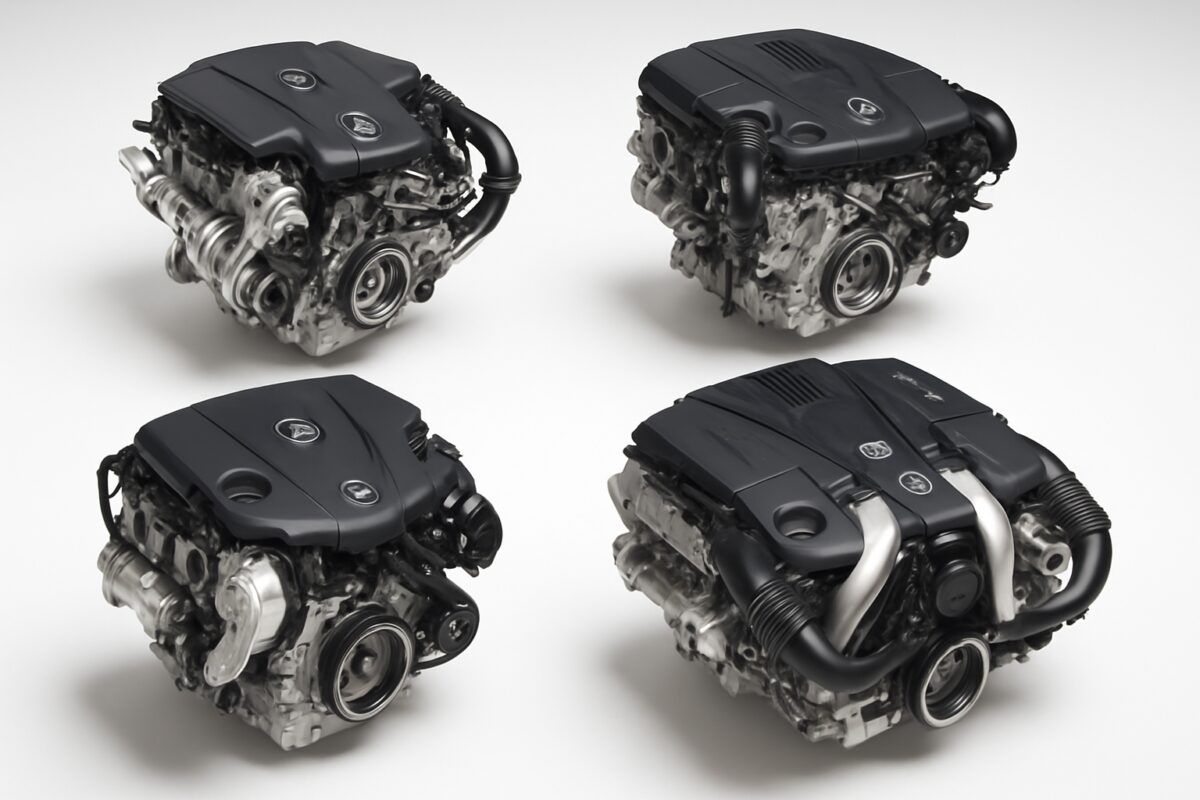
The Mercedes-Benz W212 E-Class stands as a testament to German engineering excellence in the executive saloon segment. Produced from 2009 to 2016, this generation offered a comprehensive range of powertrains to suit every driver’s needs. The engine lineup remains crucial for this vehicle as it directly impacts performance, fuel economy, and long-term ownership costs. From the efficient 1.8-litre turbocharged petrol to the mighty 6.2-litre AMG V8, the W212 delivers power outputs ranging from 156bhp to 571bhp, with torque figures spanning 250Nm to 900Nm.
Comparison table of all engines
| Engine | Power output | Torque | Fuel consumption | Reliability |
|---|---|---|---|---|
| E200 CGI 1.8T | 184bhp | 270Nm | 44mpg | Good |
| E250 CGI 1.8T | 204bhp | 310Nm | 42mpg | Good |
| E350 3.5 V6 | 272bhp | 350Nm | 36mpg | Excellent |
| E500 4.7 V8T | 408bhp | 600Nm | 32mpg | Good |
| E220 CDI 2.1 | 170bhp | 400Nm | 56mpg | Excellent |
| E350 CDI 3.0 V6 | 265bhp | 620Nm | 48mpg | Very Good |
| E63 AMG 6.2 V8 | 571bhp | 630Nm | 22mpg | Good |
Engine overview – E200/E250 CGI 1.8 turbo
The 1.8-litre turbocharged four-cylinder petrol engine represents Mercedes-Benz’s commitment to downsizing without compromising performance. This M271 unit features direct injection technology and a single turbocharger, producing either 184bhp in E200 guise or 204bhp in the E250 variant. The engine utilises premium unleaded fuel with multi-point and direct injection systems.
Built with aluminium construction and advanced timing systems, this powerplant offers impressive refinement for daily driving. The turbocharger provides excellent low-end torque delivery, making city driving effortless.
Pros
- Excellent fuel economy figures
- Strong mid-range torque delivery
- Smooth operation and refinement
- Lower emissions compared to larger engines
- Reasonable maintenance costs
Cons
- Can feel underpowered in heavier estate variants
- Turbo lag noticeable at low revs
- Higher servicing frequency required
- Premium fuel recommended for optimal performance
Engine overview – E350 3.5 V6 naturally aspirated
The 3.5-litre naturally aspirated V6 engine stands as the sweet spot in the W212 petrol range. This M272 unit delivers 272bhp and 350Nm of torque through sophisticated engineering. The all-aluminium construction features variable valve timing on both intake and exhaust camshafts, utilising premium unleaded fuel with port fuel injection.
This powerplant offers exceptional smoothness and linear power delivery that petrol enthusiasts appreciate. Our mechanics at Autopartspro often recommend this engine for buyers seeking the perfect balance of performance and reliability.
Pros
- Exceptional reliability record
- Linear power delivery without turbo lag
- Reasonable fuel consumption for the performance
- Lower complexity compared to turbocharged alternatives
- Proven long-term durability
Cons
- Higher fuel consumption than turbocharged four-cylinders
- Less torque at low RPM compared to diesel alternatives
- Requires premium fuel for optimal performance
- Higher road tax due to emissions
Engine overview – E220/E350 CDI diesel variants
The diesel lineup showcases Mercedes-Benz’s mastery of compression ignition technology. The 2.1-litre four-cylinder CDI produces 170bhp, while the 3.0-litre V6 CDI delivers 265bhp. Both engines feature common rail direct injection systems with sophisticated turbocharging. These units burn standard diesel fuel through high-pressure injection systems.
Diesel variants excel in long-distance touring, offering impressive fuel economy and tremendous torque output. The advanced fuel filter systems ensure optimal performance and longevity.
Pros
- Outstanding fuel economy figures
- Massive torque output for effortless driving
- Excellent long-distance capability
- Lower CO2 emissions than petrol equivalents
- Strong resale value retention
Cons
- Higher purchase price than petrol variants
- Expensive diesel particulate filter maintenance
- Not suitable for short urban journeys
- Potential AdBlue system complications on later models
- Higher noise levels compared to petrol engines
Engine overview – E63 AMG 6.2 V8 performance
The flagship E63 AMG features the legendary M156 6.2-litre naturally aspirated V8 engine. This hand-built powerhouse produces 571bhp and 630Nm of torque through individual throttle bodies and sophisticated valve timing. The all-aluminium construction utilises premium unleaded fuel with port injection technology.
This engine represents the pinnacle of Mercedes-AMG engineering, offering savage performance with remarkable refinement. The dry sump lubrication system ensures consistent oil supply during high-performance driving scenarios.
Pros
- Incredible performance and acceleration
- Exceptional build quality and hand assembly
- Distinctive AMG exhaust note
- Strong collector car potential
- Track-ready performance capabilities
Cons
- Extremely high fuel consumption
- Expensive maintenance and servicing costs
- High insurance premiums
- Requires premium fuel exclusively
- Potential head bolt issues on higher mileage examples
Maintenance cost
| Engine | Recommended Interval | Estimated Cost | Cost per 10000 miles |
|---|---|---|---|
| E200/E250 CGI | 12 months/15,000 miles | £350-450 | £280 |
| E350 V6 | 12 months/15,000 miles | £400-500 | £320 |
| E220/E350 CDI | 12 months/18,000 miles | £450-550 | £300 |
| E63 AMG | 12 months/10,000 miles | £800-1200 | £950 |
Engine sound and character
Each W212 engine delivers a distinct auditory signature that reflects its character. The turbocharged four-cylinders produce a refined whistle under acceleration, complemented by sophisticated sound deadening. The naturally aspirated V6 offers a smooth, cultured note that builds progressively through the rev range.
Diesel engines provide the characteristic CDI rumble at idle, becoming remarkably quiet at cruising speeds. The E63 AMG delivers an intoxicating V8 growl that transforms into a full-throated roar under hard acceleration. Our Autopartspro specialists note that proper engine oil maintenance significantly impacts sound quality and mechanical refinement.
Professional tip: Regular oil changes using manufacturer-specified grades maintain optimal engine sound characteristics and prevent premature wear in high-performance variants.
Who each engine is best for
| Engine | Best For |
|---|---|
| E200/E250 CGI | Daily commuters, city driving, budget-conscious owners |
| E350 V6 | Balanced performance seekers, mixed driving conditions |
| E220/E350 CDI | Long-distance drivers, business users, economy-focused buyers |
| E63 AMG | Performance enthusiasts, weekend drivers, collectors |
The choice between engines depends largely on intended use patterns and budget considerations. Urban drivers benefit most from the efficient four-cylinder turbocharged units, while those covering significant annual mileage should consider diesel options. The V6 petrol provides the optimal compromise for most buyers.
Expert advice: Consider your annual mileage carefully – diesel engines require regular motorway use to maintain optimal DPF function and prevent costly repairs.
For performance enthusiasts, the E63 AMG represents the ultimate expression of the W212 platform, though running costs must be factored into ownership decisions. Regular maintenance using quality oil filters and genuine parts ensures longevity across all variants.
Frequently asked questions
Which W212 engine offers the best fuel economy?
The E220 CDI diesel provides the best fuel economy, achieving up to 56mpg in combined conditions while delivering excellent torque for effortless motorway cruising.
Are W212 engines reliable long-term?
Most W212 engines demonstrate excellent reliability when properly maintained, with the naturally aspirated V6 and diesel units showing particularly strong longevity records.
What’s the most expensive W212 engine to maintain?
The E63 AMG 6.2 V8 requires the highest maintenance costs due to hand-built construction, frequent servicing intervals, and premium component requirements.
Can W212 diesel engines handle short journeys?
Diesel variants require regular longer journeys to maintain DPF health; frequent short trips can lead to expensive particulate filter problems and reduced reliability.
Which W212 engine provides the best performance value?
The E350 naturally aspirated V6 offers excellent performance-to-cost ratio, combining strong acceleration with reasonable running costs and proven reliability.
When selecting replacement parts for your W212 engine, choosing quality components ensures optimal performance and longevity. Regular servicing with appropriate air filters and genuine specifications maintains the sophisticated engineering that makes these engines exceptional. Whether you’re drawn to efficient turbocharged petrol units, torquey diesel variants, or the thunderous AMG V8, each W212 engine offers distinct advantages for different driving requirements and ownership priorities.

 Loading...