To turn on fog lights, locate the fog light control switch or button on your dashboard, steering column, or headlight stalk. The switch typically features a fog light symbol – a lamp with wavy lines. Turn on your headlights first, then activate the fog lights using the designated control. Most vehicles require low beam headlights to be on before fog lamps will function.
Tools & parts required
Before attempting any fog light maintenance or replacement, you’ll need specific components and tools to ensure proper functionality and safety.
Parts needed:
- Fog lamp assemblies (if replacement required)
- Light bulbs (H8, H11, or vehicle-specific types)
- Electrical connectors and wiring harnesses
- Mounting brackets and hardware
- Fuses (typically 15-20 amp rating)
Tools required:
- Socket set with various sizes
- Screwdriver set (Phillips and flathead)
- Wire strippers and electrical tape
- Multimeter for electrical testing
- Safety gloves and protective eyewear
Always ensure fog light bulbs match your vehicle’s electrical specifications and mounting requirements. Using incorrect bulbs can damage the electrical system or cause poor illumination.
Safety precautions
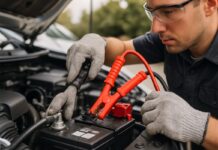
Working with automotive electrical systems requires careful attention to safety protocols. Always disconnect the battery negative terminal before performing any electrical work.
Work in a well-ventilated area with adequate lighting. Wear safety gloves and protective eyewear to prevent injury from sharp edges or electrical components. Ensure the engine is cool before beginning work near the front of the vehicle.
Keep a fire extinguisher nearby when working with electrical systems, as short circuits can potentially cause sparks or fires.
Step-by-step instructions
Step 1: Locate the fog light controls
Most modern vehicles have fog light controls integrated into the headlight switch or positioned as a separate button on the dashboard. Look for the fog light symbol, which appears as a lamp with three wavy lines extending to the left.
Some vehicles feature fog light controls on the turn signal stalk or steering wheel controls. Consult your owner’s manual if you cannot locate the switch immediately.
Step 2: Turn on your headlights
Fog lights typically require the main headlights to be activated first. Turn the headlight switch to the ‘on’ position or activate the automatic headlight function. Most vehicles use low beam headlights as the prerequisite for fog light operation.
Ensure your headlamps are functioning correctly before proceeding to activate the fog lights.
Step 3: Activate the fog lights
Press or turn the fog light control to the ‘on’ position. You should see a fog light indicator illuminate on your dashboard, typically showing the same wavy-line symbol as the switch.
Some vehicles have separate controls for front and rear fog lights. Activate them according to driving conditions and legal requirements in your area.
Step 4: Test fog light functionality
Exit the vehicle and visually confirm that both fog lights are illuminating properly. Check for even light distribution and ensure both lights produce similar brightness levels.
If one or both lights fail to illuminate, check the bulbs and electrical connections. Faulty bulbs or loose connections are common causes of fog light failure.
Step 5: Adjust if necessary
Properly aimed fog lights should illuminate the road surface approximately 25 feet ahead without blinding oncoming drivers. If adjustment is needed, locate the fog light adjustment screws behind the lamp assemblies.
Make small adjustments and test the beam pattern until optimal positioning is achieved.
Common mistakes to avoid
Many drivers accidentally leave fog lights on when conditions improve, which can be illegal and may result in fines. Fog lights should only be used when visibility is seriously reduced.
Installing incorrect bulb types can damage the electrical system or provide inadequate illumination. Always verify bulb specifications before replacement.
Failing to secure electrical connections properly can lead to intermittent operation or complete fog light failure. Ensure all connections are tight and properly insulated.
Over-tightening mounting hardware can crack fog light housings or damage adjustment mechanisms. Use appropriate torque specifications when installing or adjusting fog lights.
Never use fog lights as a substitute for headlights. They’re designed to supplement main lighting systems in specific weather conditions, not replace them entirely.
When should you replace it?
Fog lights typically require replacement when bulbs burn out, which occurs every 500-1000 hours of operation depending on bulb type and usage patterns.
Replace fog light assemblies when housings become cracked, clouded, or damaged. Road debris and weather exposure can compromise fog light effectiveness over time.
Upgrade to LED fog lights for improved longevity and brighter illumination. LED technology offers significantly longer service life compared to traditional halogen bulbs.
Consider replacement if fog lights frequently blow fuses or experience electrical issues, as this may indicate internal component failure.
Related maintenance you can do at the same time
When servicing fog lights, consider checking and replacing your vehicle’s air filter for optimal engine performance. A clean air filter ensures proper engine breathing and fuel efficiency.
Inspect and clean your windscreen wipers to maintain clear visibility in adverse weather conditions when fog lights are most needed.
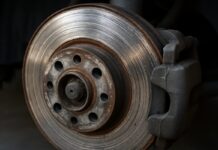
Check your brake pads and brake system, as fog light usage often coincides with conditions requiring increased braking awareness.
Consider replacing spark plugs during routine maintenance to ensure optimal engine performance in all weather conditions.
Inspect your outside mirrors and clean them thoroughly for maximum visibility when using fog lights in poor weather.
Frequently asked questions
Can I use fog lights in clear weather?
No, fog lights should only be used when visibility is seriously reduced by fog, snow, or heavy rain. Using them in clear conditions is illegal in the UK.
Why won’t my fog lights turn on?
Check if your headlights are on first, as most vehicles require headlights to activate fog lights. Also check fuses and bulbs for potential failures.
Are rear fog lights mandatory in the UK?
Yes, all vehicles registered after 1980 must have at least one rear fog light. It’s illegal to drive without functioning rear fog lights.
How bright should fog lights be?
Fog lights should be less bright than headlights, typically producing 1400-1600 lumens. They’re designed for wide, low beam patterns rather than intense illumination.
Can I install aftermarket fog lights?
Yes, but they must comply with UK regulations including proper positioning, brightness limits, and appropriate switching mechanisms. Professional installation is recommended.
Understanding proper fog light operation enhances safety during adverse weather conditions. Regular maintenance and correct usage ensure optimal performance when visibility is compromised. Quality components and proper installation techniques contribute to reliable fog light operation throughout your vehicle’s service life.

 Loading...