The Renault Clio has been a popular supermini choice for UK drivers since 1990. While generally reliable, certain issues can affect different generations of this French hatchback. Knowing what to look for helps prevent costly repairs and keeps your Clio running smoothly. Here’s our comprehensive guide to the most frequent Renault Clio problems and their solutions.
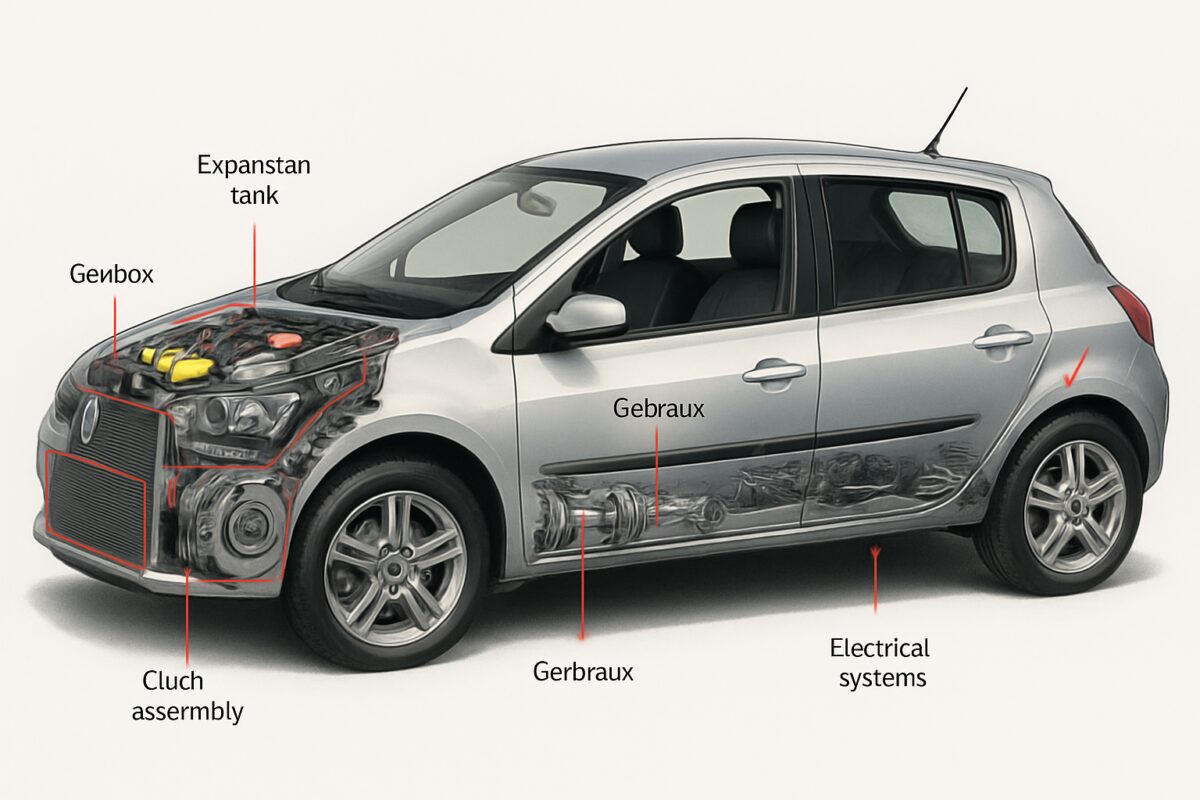
Gearbox malfunctions
Transmission troubles plague many Clio models, particularly those with automatic gearboxes. The CVT (Continuously Variable Transmission) found in some variants develops problems between 60,000 and 100,000 miles.
Common symptoms include jerky gear changes, slipping between ratios, and complete transmission failure. Manual gearboxes suffer from worn synchromesh rings, causing difficult gear selection. The clutch cable may stretch or snap, leaving you unable to change gears.
Third and fourth generation Clios experience premature clutch kit wear. Heavy city driving accelerates this problem. You’ll notice a burning smell, high clutch pedal bite point, or difficulty engaging gears when the clutch needs replacing.
Regular gearbox oil changes every 40,000 miles can prevent many transmission issues. Check fluid levels monthly and address any leaks immediately.
Engine overheating issues
Cooling system failures cause significant headaches for Clio owners. The plastic expansion tank develops cracks, particularly on models from 2005-2012. Temperature fluctuations and age make the plastic brittle.
Radiator problems occur frequently due to blocked cores or leaking seals. The radiator thermostat may stick open or closed, preventing proper temperature regulation. Failed thermostats cause either overheating or poor cabin heating.
Water pump bearing failure creates a grinding noise and coolant leaks. The 1.2-litre and 1.6-litre engines are particularly susceptible. Neglected coolant changes accelerate corrosion and pump degradation.
Head gasket failure affects high-mileage Clios, especially those with overheating history. Watch for white exhaust smoke, milky oil, or unexplained coolant loss. Early detection prevents expensive engine damage.
Electrical system faults
Modern Clios suffer from various electrical gremlins that frustrate owners. The ignition barrel develops wear, making key insertion difficult or preventing the engine from starting. Some keys get stuck in the ignition completely.
Window regulators fail frequently, leaving windows stuck up or down. The electric motor burns out or cables snap inside the door mechanism. Rear windows are particularly prone to this problem.
Central locking systems malfunction due to actuator motor failure. You might find some doors won’t lock or unlock remotely. The key fob battery may need replacing, or the receiver unit could be faulty.
Dashboard warning lights illuminate incorrectly due to sensor failures. The ABS, airbag, and engine management lights commonly appear without underlying problems. Professional diagnosis helps identify genuine faults from sensor errors.
Brake system problems
Brake-related issues affect Clio safety and performance. Rear brake shoes wear unevenly, causing pulling to one side during braking. The handbrake cable stretches or seizes, reducing effectiveness.
Front brake pads wear rapidly on sportier RS models due to aggressive driving styles. The brake discs warp from excessive heat, creating vibration through the steering wheel.
Brake fluid contamination causes spongy pedal feel and reduced stopping power. Moisture absorption degrades fluid performance over time. ABS pump failures trigger warning lights and affect emergency braking assistance.
Suspension wear and tear
French roads and UK potholes take their toll on Clio suspension components. Front shock absorbers lose damping ability, causing bouncy handling and increased tyre wear.
Coil spring breaks occur more frequently on rear suspension, particularly during winter months. Corrosion weakens the spring metal until it snaps completely.
Anti-roll bar links wear out regularly, creating knocking noises over bumps. The rubber bushes perish, allowing excessive movement and affecting stability.
Ball joints develop play in the steering, causing wandering and uneven tyre wear. Regular inspection prevents dangerous failure that could cause loss of control.
Warning signs your car has a problem
Early detection saves money and prevents breakdowns. Here are key symptoms to monitor:
- Unusual noises during driving, braking, or steering
- Changes in handling, pulling, or vibration through controls
- Dashboard warning lights illuminating
- Fluid leaks under the parked vehicle
- Difficulty starting or irregular engine running
How to fix the problems
| Problem | DIY Solution | Professional Required | Cost Range |
|---|---|---|---|
| Gearbox oil leak | Check levels, top up | Seal replacement | £50-£200 |
| Overheating | Check coolant level | Radiator/pump replacement | £150-£600 |
| Electrical faults | Check fuses, battery | Component diagnosis | £80-£400 |
| Brake wear | Visual inspection | Pad/disc replacement | £120-£350 |
| Suspension noise | Basic checks | Component replacement | £100-£500 |
Always use quality replacement parts from reputable suppliers. Cheap components often fail prematurely, creating false economy situations.
| Maintenance Task | Frequency | Importance |
|---|---|---|
| Engine oil change | Every 12 months | Critical |
| Coolant system flush | Every 5 years | High |
| Brake fluid change | Every 2 years | Critical |
| Gearbox oil change | Every 60,000 miles | High |
When to see a mechanic
Some issues require professional attention immediately. Don’t attempt DIY repairs for:
- Any brake system problems affecting stopping ability
- Suspension failures that compromise vehicle stability
- Engine overheating or coolant loss
- Electrical faults affecting safety systems
- Transmission problems beyond fluid changes
Professional mechanics have diagnostic equipment to identify root causes quickly. They can access OEM car parts and provide warranties on repairs. Choose workshops experienced with French vehicles for best results.
Regular servicing prevents many problems developing. Follow manufacturer schedules and don’t skip recommended maintenance. Address minor issues before they become major expenses.
Frequently asked questions
What’s the most common Renault Clio problem?
Gearbox issues top the list, particularly CVT automatic transmission failures and manual clutch problems on higher mileage vehicles.
How often should I service my Renault Clio?
Annual servicing or every 12,000 miles maintains reliability. More frequent car maintenance benefits high-mileage or older vehicles significantly.
Are Renault Clio parts expensive?
Parts costs vary by generation, with newer models requiring pricier components. Aftermarket alternatives offer good value without compromising quality.
Which Clio generation is most reliable?
The second generation (1998-2005) generally proves most dependable, though proper maintenance matters more than specific model years.
Can I prevent most Clio problems?
Regular maintenance, quality fluids, and prompt repair of minor issues prevent most serious failures. Preventive care costs less than breakdown repairs.
Final recommendation
The Renault Clio remains an excellent choice when properly maintained. Most problems stem from deferred maintenance or ignoring early warning signs. Our AutoPartsPro specialists recommend establishing a relationship with a French car specialist for complex repairs.
Keep detailed maintenance records and address issues promptly. Quality replacement parts make the difference between temporary fixes and lasting repairs. With proper care, your Clio can provide many years of reliable motoring.
Regular inspection of common failure points helps identify problems early. Don’t ignore unusual noises, handling changes, or warning lights. Early intervention prevents expensive repairs and keeps your vehicle safe and dependable.

 Loading...