The Hyundai Kona has gained popularity as a compact crossover SUV since its introduction in 2017. However, like any vehicle, it experiences certain recurring issues that owners should be aware of. Understanding these problems can help you make informed decisions about purchase, maintenance, and repairs.
Engine overheating problems
One of the most serious issues affecting the Hyundai Kona involves engine overheating, particularly in models equipped with the 1.6-litre turbocharged GDI engine. This problem typically manifests between 30,000 to 60,000 miles and can lead to catastrophic engine failure if not addressed promptly.
The root cause often stems from a faulty radiator thermostat that fails to regulate coolant flow properly. When the thermostat sticks closed, coolant cannot circulate through the engine, causing temperatures to rise rapidly. Additionally, issues with the cooling fan motor or damaged radiator hoses can exacerbate the problem.
According to Autopartspro mechanics, early warning signs include fluctuating temperature gauges, steam from the bonnet, and coolant puddles under the vehicle. The repair costs can range from £150 for a thermostat replacement to over £4,000 for complete engine rebuilds in severe cases.
“Regular coolant system inspections every 12 months can prevent most overheating issues. Check for leaks, test the thermostat operation, and ensure the cooling fan activates properly,” advises our technical specialist.
Dual-clutch transmission malfunctions
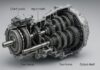
The seven-speed dual-clutch automatic transmission (DCT) in certain Kona models has shown reliability concerns, particularly in 2018-2020 variants. Owners frequently report harsh shifting, delayed gear engagement, and complete transmission failure.
The DCT system relies on two separate clutches to pre-select gears, but premature clutch wear and software glitches can disrupt this process. Symptoms include jerky acceleration, grinding noises during gear changes, and warning lights on the dashboard. In extreme cases, the vehicle may enter “limp mode” with severely reduced performance.
Our specialists note that many transmission problems stem from inadequate maintenance of the automatic transmission fluid. The DCT requires specific fluid changes every 60,000 miles, contrary to some manufacturer claims of “lifetime” fluid. Replacement transmissions can cost between £3,500 to £6,000, making preventive maintenance crucial.
Suspension component failures
The Kona’s suspension system, whilst generally competent, suffers from premature wear of key components. Front strut mounts and rear shock absorber bushings commonly fail between 40,000 to 70,000 miles, leading to handling problems and increased tyre wear.
The most problematic areas include the suspension arms and associated bushings, which deteriorate due to the vehicle’s relatively firm suspension tuning. Road salt and moisture accelerate rubber bushing degradation, particularly affecting vehicles driven in harsh winter conditions.
Signs of suspension problems include clunking noises over bumps, uneven tyre wear patterns, and reduced ride comfort. Professional inspection should identify specific worn components before they affect vehicle safety or cause MOT failures.
Electronic system glitches
Modern Konas feature extensive electronic systems that occasionally malfunction, affecting everything from infotainment to safety features. Common issues include unresponsive touchscreens, malfunctioning parking sensors, and intermittent problems with the keyless entry system.
The vehicle’s numerous sensors can develop faults due to moisture ingress or electrical connection problems. Particularly troublesome are the rear parking sensors, which may provide false readings or stop working entirely after exposure to road debris or washing.
Software updates from Hyundai dealers often resolve many electronic gremlins, but hardware failures require component replacement. Costs vary significantly depending on the affected system, ranging from £50 for simple sensor replacements to over £1,500 for major control unit failures.
“Always ensure electronic components are properly sealed and connections are clean. Regular software updates can prevent many issues before they develop into expensive problems,” recommends our electronics specialist.
Warning signs your car has a problem
Recognising early warning signs can prevent minor issues from becoming major expenses. Here are the key indicators Kona owners should monitor:
- Temperature gauge readings above normal operating range
- Unusual transmission behaviour during gear changes
- Clunking or grinding noises from the suspension
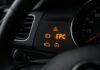
- Dashboard warning lights that illuminate intermittently
- Reduced engine performance or irregular idling
How to fix the problems
| Problem | Solution | Estimated Cost |
|---|---|---|
| Engine overheating | Replace thermostat and check cooling system | £150-£400 |
| DCT transmission issues | Fluid change and software update | £200-£350 |
| Suspension component wear | Replace worn bushings and mounts | £300-£800 |
| Electronic malfunctions | Software update and component testing | £50-£500 |
For DIY enthusiasts, some maintenance tasks can be performed at home. Regular oil filter replacement and checking fluid levels can prevent many engine-related problems. However, complex systems like the DCT transmission require professional attention.
| Maintenance Task | Frequency | Difficulty Level |
|---|---|---|
| Engine oil change | Every 10,000 miles | Easy |
| Coolant system inspection | Every 12 months | Moderate |
| Transmission fluid change | Every 60,000 miles | Professional |
| Suspension component check | Every 20,000 miles | Professional |
When to see a mechanic
Certain symptoms require immediate professional attention to prevent safety hazards or expensive damage. Schedule an appointment if you notice steam from the engine bay, complete loss of power steering, or any grinding noises from the brakes or transmission.
For routine maintenance and diagnostics, choose a workshop familiar with Hyundai systems. Many problems can be resolved with proper diagnostic equipment and access to manufacturer service bulletins. Regular servicing according to the manufacturer’s schedule remains the best prevention strategy.
Consider seeking specialist advice if you’re experiencing multiple electronic issues simultaneously, as these often indicate broader electrical problems requiring systematic diagnosis. Don’t ignore dashboard warning lights, even if they appear intermittently.
Frequently asked questions (FAQ)
What is the most common problem with Hyundai Kona?
Engine overheating due to faulty thermostats is the most frequently reported issue, particularly affecting 1.6-litre turbocharged models between 30,000-60,000 miles.
How reliable is the Hyundai Kona transmission?
The DCT transmission shows mixed reliability, with some units experiencing premature clutch wear and software-related shifting problems, especially in 2018-2020 models.
Are Hyundai Kona suspension problems expensive to fix?
Suspension repairs typically cost £300-£800 depending on components needed. Shock absorber replacement is often the most common requirement.
How often should I service my Hyundai Kona?
Follow the manufacturer’s schedule with services every 10,000 miles or annually. Additional checks for cooling system and transmission fluid are recommended.
Can I prevent most Hyundai Kona problems?
Yes, regular maintenance including coolant system checks, transmission fluid changes, and prompt attention to warning signs prevents most serious issues.
Final recommendation
The Hyundai Kona offers good value as a compact SUV, but awareness of its common problems is essential for ownership success. Engine overheating and transmission issues represent the most serious concerns, whilst suspension and electronic problems are generally manageable with proper maintenance.
Prospective buyers should budget for potential cooling system repairs and ensure any used Kona has complete service records. Current owners benefit from proactive maintenance, particularly regarding coolant system health and transmission fluid changes. When problems arise, prompt professional attention prevents minor issues from escalating into major expenses.
For those experiencing multiple issues, consult our garage vs DIY repair guide to determine the most cost-effective approach. Remember that quality replacement parts and proper diagnosis are investments in long-term reliability and safety.

 Loading...