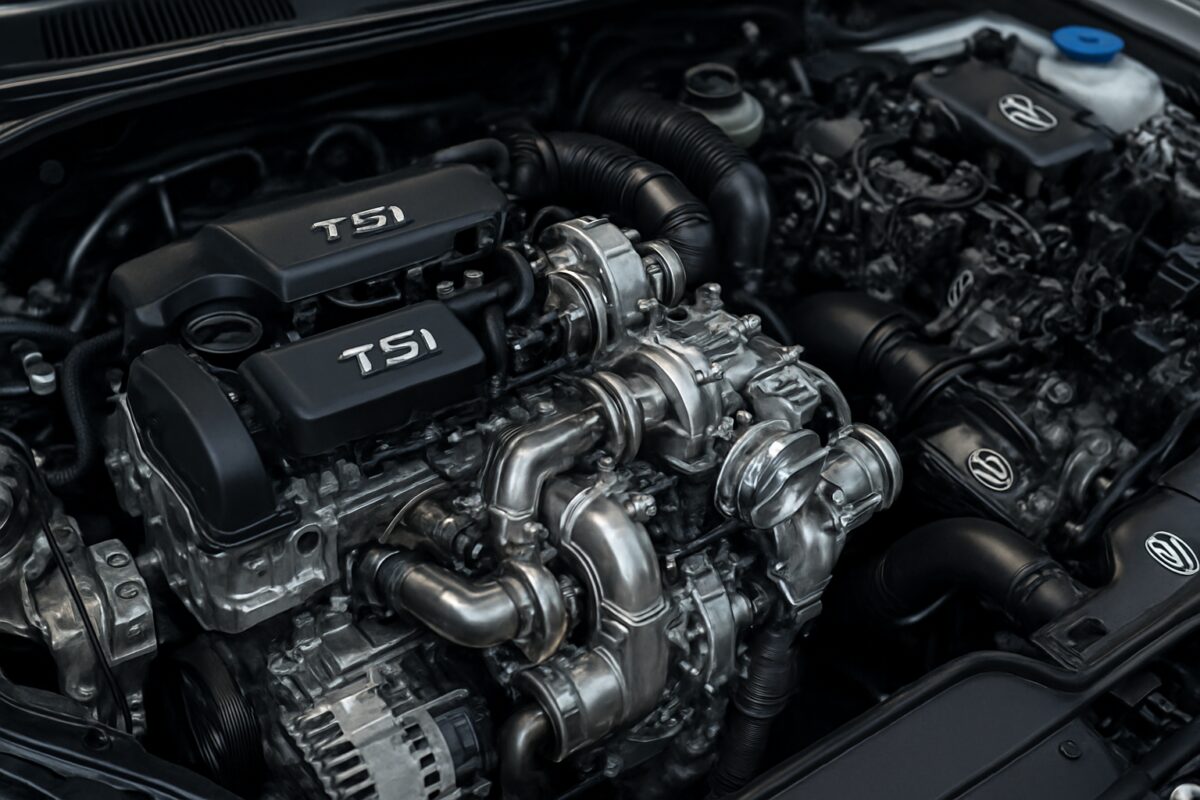
The Volkswagen Polo has established itself as one of Britain’s most popular superminis, competing directly with the Ford Fiesta and Vauxhall Corsa. The engine selection plays a crucial role in the Polo’s success, offering drivers a balanced mix of economy, performance, and reliability. From efficient three-cylinder units producing 80hp to spirited turbocharged engines delivering 200hp, the Polo’s powerplant range caters to diverse driving needs and budgets.
Comparison table of all engines
| Engine | Power output | Torque | Fuel consumption | Reliability |
|---|---|---|---|---|
| 1.0 MPI | 75-80hp | 93-95Nm | 50-55mpg | Very Good |
| 1.0 TSI | 95-115hp | 175-200Nm | 45-52mpg | Good |
| 1.5 TSI | 150hp | 250Nm | 42-48mpg | Good |
| 2.0 TSI GTI | 200hp | 320Nm | 35-40mpg | Fair |
| 1.6 TDI | 80-95hp | 250Nm | 60-70mpg | Good |
Engine overview: 1.0 MPI naturally aspirated
The 1.0-litre MPI (Multi Point Injection) represents the entry-level petrol option in the Polo range. This three-cylinder naturally aspirated unit delivers 75-80hp depending on the model year and configuration. The engine features a simple design with port fuel injection and operates on standard unleaded petrol. Its straightforward construction makes it one of the most reliable powerplants in the Polo lineup.
Pros
- Exceptional fuel economy reaching 50-55mpg
- Low maintenance costs and simple servicing
- Proven reliability with minimal known issues
- Affordable insurance premiums
- Smooth operation despite three-cylinder configuration
Cons
- Limited power for motorway overtaking
- Struggles with full loads or steep inclines
- Can feel sluggish in urban traffic
- Basic performance may disappoint keen drivers
Engine overview: 1.0 TSI turbocharged
The 1.0-litre TSI (Turbocharged Stratified Injection) engine transforms the Polo’s driving experience with forced induction technology. Available in 95hp and 115hp variants, this three-cylinder turbocharged unit produces impressive torque figures of 175-200Nm. The engine utilises direct fuel injection and a small turbocharger to deliver strong mid-range performance whilst maintaining reasonable fuel consumption.
Pros
- Excellent power-to-weight ratio for city driving
- Strong torque delivery from low revs
- Good fuel economy for a turbocharged engine
- Responsive acceleration in everyday situations
- Modern technology with cylinder deactivation
Cons
- More complex than MPI with higher servicing costs
- Potential turbocharger reliability concerns after high mileage
- Premium fuel recommended for optimal performance
- Carbon build-up issues with direct injection
Engine overview: 1.5 TSI performance unit
The 1.5-litre TSI engine brings genuine performance to the Polo range with its four-cylinder turbocharged configuration. Producing 150hp and 250Nm of torque, this powerplant features advanced cylinder deactivation technology and direct injection. The engine runs on premium unleaded fuel and incorporates variable valve timing for optimal efficiency across the rev range.
Pros
- Strong performance suitable for motorway cruising
- Advanced fuel-saving cylinder deactivation
- Refined four-cylinder smoothness
- Adequate power for fully loaded driving
- Good balance of performance and economy
Cons
- Higher purchase price than smaller engines
- Increased insurance costs compared to base units
- More complex maintenance requirements
- Premium fuel costs impact running expenses
Engine overview: 2.0 TSI GTI flagship
The range-topping 2.0-litre TSI engine exclusively powers the Polo GTI variant. This four-cylinder turbocharged unit delivers 200hp and 320Nm of torque, representing the pinnacle of Polo performance. The engine features sophisticated turbocharging, direct injection, and variable valve timing technology. Premium unleaded fuel is essential for maintaining the engine’s high-performance capabilities and preventing knock.
Pros
- Exceptional performance for the supermini class
- Proven EA888 engine architecture
- Strong acceleration and top-end power
- Suitable for track day enthusiasts
- Impressive overtaking capabilities
Cons
- Highest running costs in the range
- Expensive maintenance and specialist servicing
- Poor fuel economy under enthusiastic driving
- Carbon build-up issues require regular cleaning
- Higher insurance premiums due to performance classification
Engine overview: 1.6 TDI diesel option
The 1.6-litre TDI (Turbocharged Direct Injection) diesel engine offers maximum fuel efficiency in the Polo range. Available in 80hp and 95hp configurations, this four-cylinder turbocharged diesel produces 250Nm of torque from low revs. The engine utilises common-rail direct injection and runs on standard diesel fuel. Advanced emissions control systems including DPF and AdBlue help meet Euro 6 standards.
Pros
- Outstanding fuel economy up to 70mpg
- Strong low-end torque for relaxed driving
- Excellent for high-mileage users
- Lower CO2 emissions than petrol equivalents
- Proven durability in commercial applications
Cons
- DPF problems with short urban journeys
- AdBlue system adds maintenance complexity
- Higher servicing costs than petrol engines
- Potential emissions equipment failures
- Declining resale values due to diesel stigma
Maintenance cost comparison
| Engine | Recommended Interval | Estimated Cost | Cost per 10,000 miles |
|---|---|---|---|
| 1.0 MPI | 12,000 miles | £180-220 | £150-185 |
| 1.0 TSI | 10,000 miles | £220-280 | £220-280 |
| 1.5 TSI | 10,000 miles | £280-350 | £280-350 |
| 2.0 TSI GTI | 10,000 miles | £350-450 | £350-450 |
| 1.6 TDI | 10,000 miles | £300-400 | £300-400 |
Engine sound and character
Each Polo engine delivers a distinct acoustic signature that reflects its character and purpose. The 1.0 MPI provides a quiet, refined experience with minimal noise intrusion into the cabin. Its three-cylinder configuration produces a subtle thrum that remains unobtrusive during normal driving.
The 1.0 TSI adds a more purposeful note with its turbocharger whistle becoming apparent under acceleration. The engine’s character transforms from gentle and economical during light throttle use to more engaging when pushed harder. Autopartspro’s mechanics note that this engine strikes an excellent balance between refinement and character.
Moving to the 1.5 TSI, drivers experience a more sophisticated four-cylinder soundtrack with deeper tones and smoother operation. The cylinder deactivation system creates an interesting acoustic change as the engine switches between two and four-cylinder operation, though this transition remains largely imperceptible to occupants.
“The 2.0 TSI GTI delivers the most characterful engine note in the Polo range, with its distinctive turbo flutter and aggressive exhaust note that truly enhances the driving experience.” – Autopartspro Specialist
The 1.6 TDI provides typical diesel characteristics with its distinctive clatter at idle that smooths out once underway. Modern sound deadening keeps cabin noise levels acceptably low, though the diesel nature remains evident compared to petrol alternatives.
“Regular oil filter changes are crucial for maintaining optimal engine performance across all Polo powerplants, particularly the turbocharged variants.” – Autopartspro Technical Team
Who each engine is best for
| Engine | Daily commuters | Performance enthusiasts | Long-distance drivers | Budget-conscious owners |
|---|---|---|---|---|
| 1.0 MPI | Excellent | Poor | Fair | Excellent |
| 1.0 TSI | Very Good | Good | Good | Good |
| 1.5 TSI | Good | Very Good | Very Good | Fair |
| 2.0 TSI GTI | Fair | Excellent | Good | Poor |
| 1.6 TDI | Good | Fair | Excellent | Good |
Frequently asked questions
Which Polo engine offers the best fuel economy?
The 1.6 TDI diesel engine delivers the best fuel consumption, achieving up to 70mpg in real-world conditions, making it ideal for high-mileage drivers.
Are turbocharged Polo engines reliable long-term?
TSI engines generally prove reliable with proper maintenance, though regular spark plug replacement and quality oil changes are essential for longevity.
What’s the difference between MPI and TSI engines?
MPI engines use port fuel injection and natural aspiration, whilst TSI units feature turbocharging and direct injection for improved performance and efficiency.
Do Polo diesel engines require AdBlue?
Yes, Euro 6 compliant 1.6 TDI engines require AdBlue fluid for emissions control, with the system needing regular top-ups and occasional sensor maintenance.
Which Polo engine is cheapest to maintain?
The 1.0 MPI naturally aspirated engine offers the lowest maintenance costs due to its simple design and longer service intervals.
Understanding the Polo’s engine range helps buyers make informed decisions based on their specific needs and driving patterns. Whether prioritising economy with the MPI unit, seeking balanced performance from the TSI options, or requiring maximum efficiency from the TDI diesel, each powerplant serves distinct market segments. Regular maintenance using quality components, including proper air filter replacement and professional servicing, ensures optimal performance and longevity regardless of engine choice. The Polo’s diverse engine lineup demonstrates Volkswagen’s commitment to offering suitable solutions for every driver’s requirements within the competitive supermini segment.

 Loading...