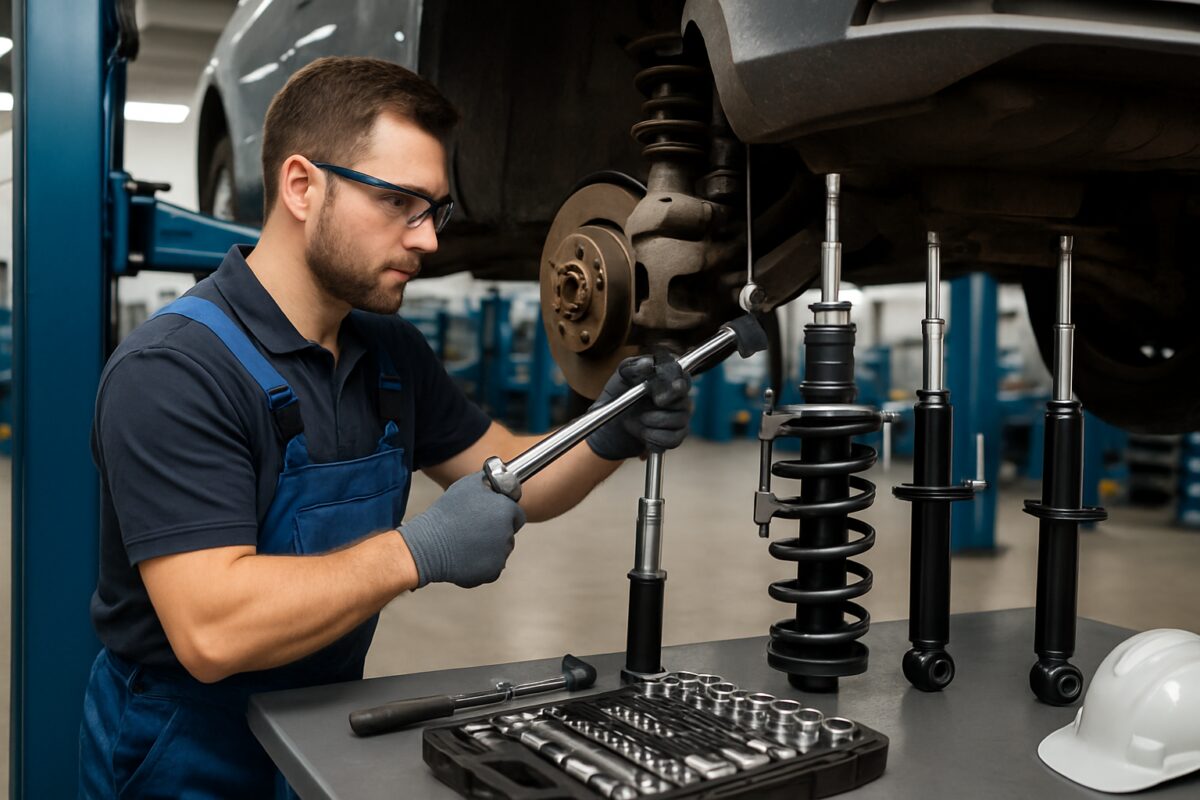
Shock absorber replacement costs in the UK range from £120-£300 per pair for standard cars, with labour charges of £80-£150. Most vehicles need new shock absorbers every 50,000-80,000 miles, though harsh driving conditions can reduce this interval significantly.
Tools & parts required
Replacing shock absorbers requires specific components and professional-grade tools for safe and effective installation.
Parts needed:
- Shock absorbers (vehicle specific)
- Top mounting bearings
- Bump stops and dust covers
- Coil springs (if integrated)
- Mounting bolts and washers
Tools required:
- Car jack and axle stands
- Socket set (10mm-22mm)
- Torque wrench
- Spring compressor tool
- Penetrating oil spray
- Safety glasses and gloves
Always ensure the shock absorbers match your vehicle’s specific make, model, and year. Using incorrect specifications can compromise handling and safety performance.
Safety precautions
Working with suspension components requires strict adherence to safety protocols due to the high forces involved.
- Work on level ground with proper vehicle support
- Never work under a car supported only by a jack
- Wear safety glasses when using spring compressors
- Disconnect the battery before starting work
- Keep a fire extinguisher nearby
Step-by-step instructions
Professional shock absorber replacement follows a systematic approach to ensure proper installation and vehicle safety.
Step 1: Vehicle preparation
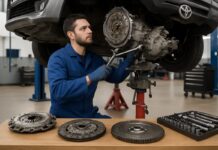
Raise the vehicle using a proper jack and secure with axle stands. Remove the wheels to access the shock absorber mounting points. Apply penetrating oil to all bolts that will be removed.
Step 2: Remove the old shock absorber
Disconnect the shock absorber from its upper and lower mounting points. For MacPherson strut systems, you’ll need to compress the coil spring using appropriate tools before removing the central nut.
Step 3: Install the new unit
Position the new shock absorber in place, ensuring correct orientation. Tighten all mounting bolts to manufacturer specifications using a torque wrench. This prevents over-tightening which can damage components.
Step 4: Test and inspect
Lower the vehicle and perform a bounce test on each corner. The car should settle quickly without continued oscillation. Check all mounting points for proper tightness before road testing.
Common mistakes to avoid
Several errors can compromise the effectiveness and safety of shock absorber replacement.
- Installing shocks upside down or in wrong positions
- Reusing old mounting hardware and bushings
- Failing to compress springs properly during installation
- Not torquing bolts to correct specifications
- Replacing only one shock when both sides need attention
Professional tip: Always replace shock absorbers in pairs (both front or both rear) to maintain balanced handling characteristics and prevent uneven wear patterns.
Using a torque wrench prevents over-tightening which can strip threads or damage mounting points. Quality replacement components ensure long-term reliability.
When should you replace shock absorbers?
Several indicators signal when shock absorber replacement becomes necessary for optimal vehicle performance and safety.
Mileage intervals:
- Standard driving: 60,000-80,000 miles
- Harsh conditions: 40,000-60,000 miles
- Performance vehicles: 30,000-50,000 miles
Visual and performance symptoms:
- Oil leakage around shock absorber body
- Excessive bouncing after hitting bumps
- Nose diving during braking
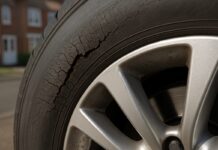
- Uneven tyre wear patterns
- Poor handling in corners
If your vehicle shows these symptoms, consider replacing the shock absorbers promptly to maintain safety and comfort. According to AutoPartsPro’s technical specialists, delaying replacement can lead to accelerated wear of other suspension components and compromised braking performance.
Related maintenance you can do at the same time
Shock absorber replacement provides an excellent opportunity to service related suspension components efficiently.
- Replace strut bearings and top mounts
- Inspect and replace worn suspension bushings
- Check brake pads and discs whilst wheels are removed
- Perform wheel alignment after installation
- Replace coil springs if sagging or damaged
This comprehensive approach saves labour costs and ensures all suspension components work harmoniously together. Many workshops offer package deals for complete suspension overhauls.
Expert insight: Our AutoPartsPro mechanics recommend checking ball joints and track rod ends during shock absorber replacement, as these components often wear together and share similar replacement intervals.
Frequently asked questions
How much does shock absorber replacement cost in the UK?
Replacement costs vary from £120-£300 per pair for parts, plus £80-£150 labour. Premium brands and performance vehicles cost more than standard applications.
Can I replace just one shock absorber?
While possible, replacing shocks in pairs ensures balanced handling. Mismatched damping rates can cause unpredictable vehicle behaviour and accelerated component wear.
How long do shock absorbers typically last?
Quality shock absorbers last 60,000-80,000 miles under normal conditions. Aggressive driving, poor road surfaces, and heavy loads reduce this lifespan significantly.
What happens if I don’t replace worn shock absorbers?
Continued use leads to poor handling, increased braking distances, premature tyre wear, and potential damage to other suspension components requiring costly repairs.
Should I replace springs with shock absorbers?
Springs should be replaced if they show signs of sagging, damage, or have covered similar mileage. New shocks work best with properly functioning springs.
Professional shock absorber replacement ensures optimal vehicle handling, comfort, and safety. When choosing replacement parts, prioritise quality components that match your driving requirements and vehicle specifications. Proper installation using correct torque settings and quality mounting hardware provides years of reliable service and maintains your vehicle’s designed suspension characteristics.

 Loading...