Car suspension bushes are rubber or polyurethane components that act as cushioning joints between metal suspension parts, absorbing vibrations and allowing controlled movement whilst maintaining proper alignment. Replacement costs typically range from £50-£200 per bush including labour, depending on vehicle type and bush location, with front suspension bushes generally being more expensive than rear ones.
These small but critical components play a vital role in your vehicle’s handling, comfort, and safety. Understanding what suspension bushes do and recognising when they need replacement can save you from costly repairs down the line.
Understanding suspension bushes and their function
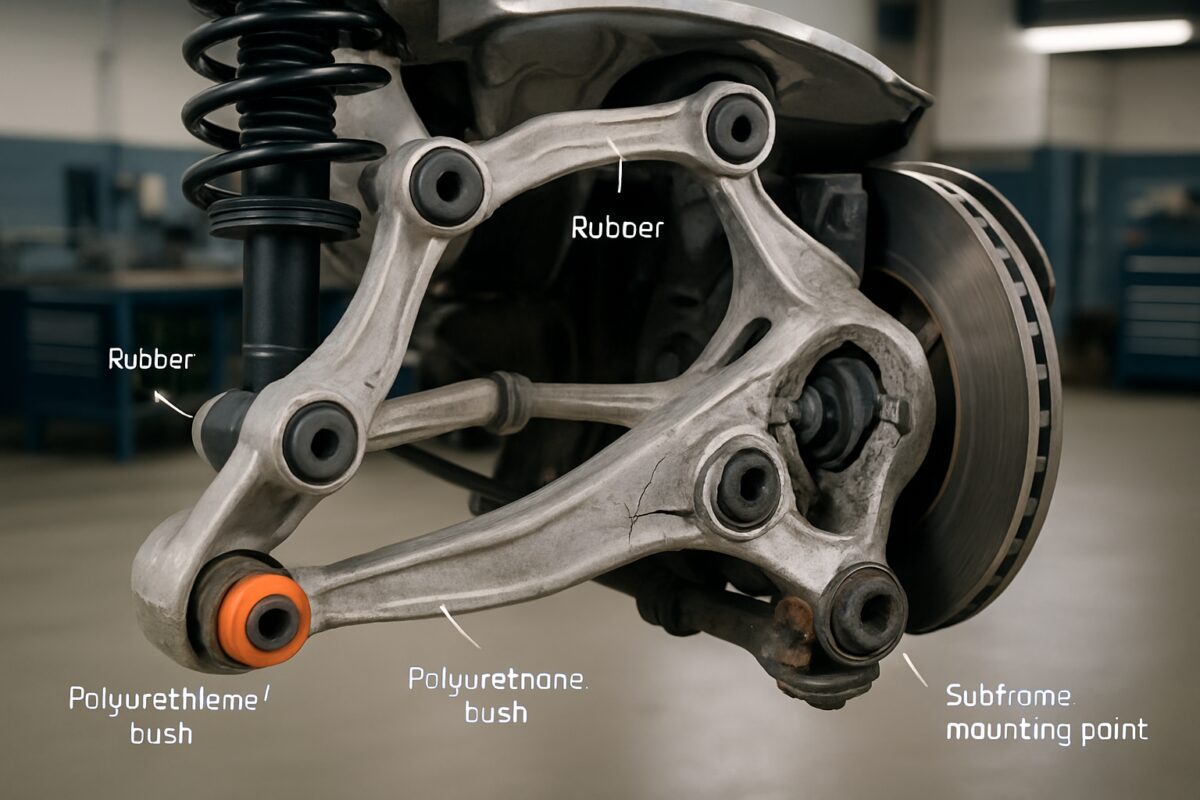
Suspension bushes serve as flexible joints that connect various suspension components together. They’re designed to absorb road noise, vibrations, and small movements whilst maintaining the correct geometry of your suspension system.
The primary functions include:
- Absorbing vibrations from road surface irregularities
- Reducing noise transmission to the cabin
- Allowing controlled movement of suspension components
- Maintaining proper wheel alignment
- Protecting metal components from direct contact
Most modern vehicles use rubber bushes as standard, though performance vehicles often feature polyurethane alternatives. According to our specialists at Autopartspro, rubber bushes offer superior comfort but wear faster, whilst polyurethane bushes last longer but transmit more road noise.
Common types of suspension bushes
Different suspension systems require specific bush types, each designed for particular stress patterns and movement requirements. The most common varieties include:
| Bush Type | Location | Typical Lifespan | Replacement Cost |
|---|---|---|---|
| Control arm bushes | Front/rear wishbones | 60,000-80,000 miles | £80-£150 |
| Anti-roll bar bushes | Stabiliser bar mountings | 40,000-60,000 miles | £30-£80 |
| Subframe bushes | Chassis mounting points | 80,000-100,000 miles | £100-£250 |
| Trailing arm bushes | Rear suspension links | 70,000-90,000 miles | £60-£120 |
Each type experiences different stress levels and wear patterns. Suspension bushings in high-stress areas like control arms typically wear faster than those in less dynamic positions.
Signs your suspension bushes need replacement
Recognising worn suspension bushes early can prevent more serious damage to your vehicle’s suspension system. Our mechanics regularly encounter these common symptoms:
Visual indicators include:
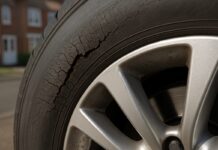
- Cracked or split rubber around the bush
- Excessive play between metal components
- Oil or grease contamination on the bush surface
- Visible wear or deformation of the bush material
- Metal-to-metal contact where bushes have failed completely
Performance symptoms often develop gradually:
- Increased road noise and vibration through the steering wheel
- Wandering or imprecise steering response
- Uneven tyre wear patterns
- Clunking noises over bumps or during cornering
- Excessive body roll when turning
These symptoms can significantly affect your vehicle’s handling and safety. If you notice multiple symptoms, it’s advisable to have your suspension inspected by a qualified technician.
Professional diagnosis techniques
Professional workshops use specific methods to assess bush condition accurately. Visual inspection remains the primary diagnostic tool, but experienced technicians also perform movement tests to check for excessive play.
During MOT testing, worn suspension bushes are a common failure point. Inspectors look for splits, deterioration, and excessive movement that could affect vehicle safety or handling characteristics.
Pro tip: Check your suspension bushes during routine servicing. Early detection of wear can prevent more expensive repairs to shock absorbers and other suspension components.
Factors affecting suspension bush replacement costs
Several variables influence the total cost of suspension bush replacement. Understanding these factors helps you budget appropriately and make informed decisions about repairs.
Location significantly impacts pricing:
- Front suspension bushes typically cost more due to increased complexity
- Subframe bushes require more labour time, increasing overall costs
- Rear bushes are often more accessible and cheaper to replace
- Anti-roll bar bushes are usually the most economical option
Vehicle type also affects costs considerably. Luxury and performance vehicles often require specialised bushes that cost significantly more than standard alternatives. Additionally, some vehicles require special tools or procedures that increase labour time.
Labour considerations
Labour costs vary depending on bush accessibility and removal complexity. Some bushes can be replaced quickly with basic tools, whilst others require specialised equipment or suspension dismantling.
| Complexity Level | Labour Time | Typical Cost Range | Examples |
|---|---|---|---|
| Simple | 0.5-1 hours | £25-£50 | Anti-roll bar bushes |
| Moderate | 1-2 hours | £50-£100 | Control arm bushes |
| Complex | 2-4 hours | £100-£200 | Subframe bushes |
| Specialist | 4+ hours | £200+ | Hydragas suspension bushes |
Furthermore, some vehicles require alignment checks after bush replacement, adding to the total cost. This is particularly important for bushes that affect wheel geometry.
DIY versus professional replacement
Deciding between DIY and professional installation depends on several factors including your skill level, available tools, and the specific bushes requiring replacement.
DIY replacement can be suitable for:
- Easily accessible bushes like anti-roll bar bushes
- Vehicles with simple suspension designs
- Experienced home mechanics with proper tools
- Non-critical bushes that don’t affect wheel alignment
However, our Autopartspro specialists recommend professional installation for complex jobs. Many suspension bushes require specialised pressing tools and precise positioning to function correctly.
Professional replacement offers several advantages including warranty coverage, proper torque specifications, and post-installation alignment checks. Additionally, professionals can identify related wear that might require attention.
Essential tools for DIY bush replacement
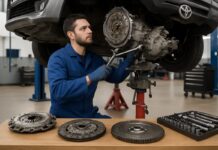
If you decide to tackle bush replacement yourself, ensure you have the necessary equipment. Basic tools include jacks, axle stands, spanners, and bush removal tools. More complex jobs may require hydraulic presses or specialised pullers.
Safety considerations are paramount when working under vehicles. Always use proper axle stands and never rely solely on jacks for support. Additionally, some bushes are under tension and can cause injury if removed incorrectly.
Choosing the right replacement bushes
Selecting appropriate replacement bushes affects both performance and longevity. Several material options are available, each with distinct characteristics and applications.
Rubber bushes remain the standard choice for most applications. They offer excellent vibration damping and noise isolation whilst providing adequate durability for normal driving conditions. Quality rubber bushes typically last 60,000-80,000 miles under normal conditions.
Polyurethane bushes offer superior durability and performance but transmit more road noise. They’re particularly popular for performance vehicles or heavy-duty applications where longevity is prioritised over comfort.
When selecting replacement bushes, consider your driving style and priorities. Daily drivers benefit from comfort-oriented rubber bushes, whilst performance enthusiasts might prefer polyurethane alternatives despite increased noise levels.
OEM versus aftermarket options
Original equipment manufacturer (OEM) bushes guarantee exact fit and performance characteristics matching your vehicle’s original design. They typically cost more but offer proven reliability and compatibility.
Aftermarket alternatives can provide excellent value whilst sometimes offering improvements over original specifications. Quality brands like Lemförder, Meyle, and Febi offer bushes that meet or exceed OEM standards at competitive prices.
Our parts specialists recommend checking bush specifications carefully when choosing aftermarket options. Ensure dimensions, hardness ratings, and mounting configurations match your vehicle’s requirements exactly.
Maintenance tips to extend bush life
Proper maintenance can significantly extend suspension bush lifespan whilst maintaining optimal performance. Regular inspection and preventive care are key to avoiding premature failure.
Regular cleaning helps prevent contamination that can degrade bush materials. Road salt, oil, and debris can accelerate deterioration, particularly on rubber components. Gentle washing during routine car cleaning removes harmful contaminants.
Avoiding harsh driving conditions where possible reduces bush stress. Aggressive acceleration, hard braking, and high-speed cornering all increase wear rates. Additionally, carrying excessive loads places additional strain on suspension components.
Temperature extremes affect bush materials differently. Rubber bushes become harder in cold weather and softer in high temperatures, whilst polyurethane maintains more consistent properties across temperature ranges.
When to inspect suspension bushes
Regular inspection schedules help identify problems before they become serious. Our technicians recommend checking bushes during routine servicing or when experiencing handling changes.
Annual MOT tests provide professional assessment of bush condition, but don’t rely solely on this for maintenance scheduling. High-mileage vehicles or those used in demanding conditions may require more frequent inspection.
Additionally, regular maintenance of related components like ball joints and tie rod ends helps maintain overall suspension integrity and reduces bush stress.
Impact of worn bushes on other components
Neglecting worn suspension bushes can lead to accelerated wear of other expensive components. Understanding these relationships helps prioritise repairs and prevent costly cascading failures.
Worn bushes allow excessive movement in suspension geometry, causing misalignment that leads to uneven tyre wear. This not only necessitates premature tyre replacement but can also affect vehicle stability and braking performance.
Shock absorbers and struts experience increased stress when bushes fail to control suspension movement properly. The resulting premature wear can necessitate expensive replacements that could have been avoided with timely bush replacement.
Steering components also suffer from worn suspension bushes. Increased play and vibration transmission can accelerate wear in steering racks, joints, and power steering systems.
Moreover, brake components can be affected by suspension geometry changes caused by worn bushes. Altered wheel alignment affects brake pad contact patterns, potentially reducing braking efficiency and causing uneven wear.
Understanding these interconnections emphasises the importance of maintaining suspension bushes in good condition. What might seem like a minor component can significantly impact overall vehicle performance and safety when neglected.
Investing in quality replacement bushes and professional installation ensures optimal performance whilst protecting other valuable components from premature wear. Regular inspection and maintenance of your suspension system, including bushes, contributes to safer driving, better fuel economy, and reduced long-term repair costs.
Frequently Asked Questions (FAQ)
How often should suspension bushes be replaced?
Suspension bushes typically last 60,000-100,000 miles depending on driving conditions, bush type, and vehicle usage. Regular inspection is more important than fixed replacement intervals.
Can I drive with worn suspension bushes?
Driving with severely worn bushes is unsafe as it affects handling and braking. Minor wear may be acceptable temporarily, but professional assessment is recommended.
Do all suspension bushes need replacing simultaneously?
Not necessarily. Bushes wear at different rates depending on their location and stress levels. Replace bushes individually based on condition rather than as complete sets.
Will new bushes improve my car’s handling?
Yes, replacing worn bushes restores proper suspension geometry, reducing play and improving steering response, cornering stability, and overall handling precision significantly.
How long does suspension bush replacement take?
Simple bush replacements take 30-60 minutes, whilst complex jobs requiring suspension dismantling can take 4+ hours depending on accessibility and vehicle design.

 Loading...