The Volkswagen T5 Transporter, produced from 2003 to 2015, remains one of the most popular commercial vehicles amongst UK drivers. However, like any vehicle, the VW T5 has its share of common problems that owners should be aware of.
Engine overheating and coolant system failures
One of the most significant issues affecting the VW T5 involves the cooling system. Many owners report frequent overheating, particularly in vehicles equipped with the 2.5 TDI engine.
The primary culprit is often a faulty water pump or damaged radiator. The plastic impeller inside the water pump is prone to cracking, reducing coolant circulation efficiency. This leads to inadequate cooling and potential engine damage.
Radiator problems typically manifest as leaks in the plastic end tanks. The constant heating and cooling cycles cause the plastic to become brittle over time. When these components fail, coolant loss occurs rapidly, and the engine temperature gauge shoots into the red zone.
Additionally, the thermostat housing is another weak point. The plastic housing can crack, causing coolant leaks and erratic temperature control. This problem is particularly common in higher-mileage vehicles.
According to our specialists at AutopartsPro, always check the coolant level weekly and monitor the temperature gauge closely. Early detection of cooling system issues can prevent catastrophic engine damage.
Turbocharger problems and boost pressure loss
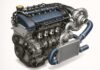
The VW T5’s turbocharger system is susceptible to several issues that significantly impact performance and reliability. Many owners experience reduced power output and black smoke from the exhaust.
The variable geometry turbo (VGT) mechanism is particularly problematic. Carbon build-up in the actuator mechanism causes the vanes to stick, preventing proper boost control. This results in poor acceleration, excessive fuel consumption, and eventual turbo failure.
Oil feed pipe blockages are another common issue. The narrow oil feed lines can become clogged with sludge, starving the turbocharger bearings of lubrication. This leads to bearing failure, shaft play, and ultimately complete turbo destruction.
The intercooler and associated pipework also cause problems. Splits in the rubber boost hoses result in pressure loss, while the intercooler itself can develop internal leaks. These issues manifest as whistling sounds, poor performance, and difficulty maintaining highway speeds.
Dual mass flywheel and clutch complications
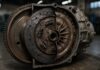
The dual mass flywheel (DMF) system in the VW T5 is notorious for premature failure. This component helps reduce engine vibrations transmitted to the transmission, but it’s prone to internal spring breakage.
Symptoms include a rattling noise at idle, particularly when the engine is warm. The noise often disappears when the clutch pedal is depressed. As the condition worsens, gear changes become difficult, and the vehicle may struggle to pull away smoothly.
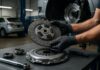
The clutch system itself also experiences problems. The release bearing frequently fails prematurely, causing squealing noises during clutch operation. The clutch plate can also suffer from oil contamination due to leaking crankshaft seals.
Professional mechanics note that DMF failures often occur between 80,000 and 120,000 miles. The repair costs are significant because the entire transmission must be removed for access.
Our technicians recommend checking for unusual noises during start-up and gear changes. Early intervention can prevent damage to the transmission components.
Warning signs your car has a problem
Recognising early warning signs can help prevent minor issues from becoming major repairs. Here are the key symptoms to watch for in your VW T5:
- Temperature gauge reading higher than normal
- Coolant loss without visible leaks
- Reduced power or acceleration
- Black or white smoke from exhaust
- Rattling noises at idle
- Difficulty engaging gears
- Unusual vibrations through the pedals
- Dashboard warning lights
How to fix the problems
Addressing VW T5 issues requires systematic diagnosis and quality replacement parts. Here’s a comprehensive repair guide:
| Problem | Solution | Estimated Cost | Labour Time |
|---|---|---|---|
| Water pump failure | Replace water pump and thermostat | £300-500 | 4-6 hours |
| Radiator leak | Replace radiator assembly | £200-350 | 2-3 hours |
| Turbo failure | Reconditioned or new turbocharger | £800-1500 | 6-8 hours |
| DMF failure | Replace flywheel and clutch kit | £600-900 | 8-10 hours |
For cooling system repairs, always replace the thermostat when changing the water pump. This ensures optimal system performance and prevents future failures. Use only OEM quality parts for critical components.
- Flush the cooling system completely before installing new components
- Check all hose clamps and replace if corroded
- Use appropriate coolant mixture for your climate
When addressing turbocharger problems, proper diagnosis is essential. Clean the variable geometry mechanism before considering replacement. Regular oil changes using high-quality lubricants can prevent many turbo-related issues.
| Maintenance Item | Interval | Importance | Cost |
|---|---|---|---|
| Engine oil change | 10,000 miles | Critical | £40-60 |
| Coolant flush | 40,000 miles | High | £80-120 |
| Brake fluid change | 24 months | High | £50-80 |
| Transmission service | 60,000 miles | Medium | £150-200 |
When to see a mechanic
Certain symptoms require immediate professional attention to prevent catastrophic damage. Don’t delay if you experience any of these issues:
Temperature gauge entering the red zone indicates critical overheating. Stop the vehicle immediately and allow it to cool completely. Continuing to drive risks serious engine damage, including warped cylinder heads or cracked engine blocks.
Complete loss of power or unusual grinding noises from the transmission area suggest dual mass flywheel failure. These symptoms indicate internal component damage that requires immediate inspection.
Persistent brake fluid leaks or spongy pedal feel compromise vehicle safety. Professional brake system inspection is essential to maintain stopping performance.
- Dashboard warning lights that remain illuminated
- Unusual smells from the engine bay
- Significant oil or coolant leaks
- Transmission shifting problems
- Steering wheel vibration during braking
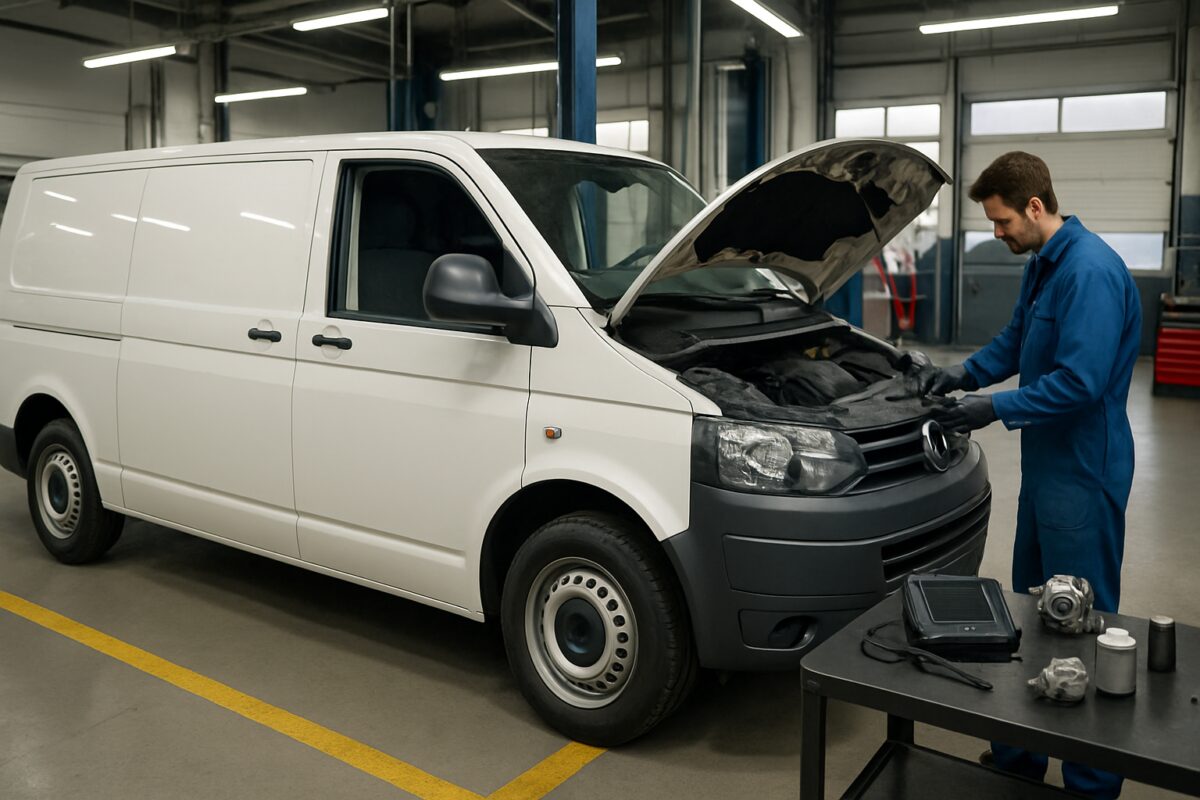
For complex electrical issues or engine management problems, diagnostic equipment is necessary. Modern professional workshops have the tools and expertise to quickly identify problem areas.
Frequently asked questions (FAQ)
What’s the most common VW T5 engine problem?
Cooling system failures, particularly water pump and radiator issues, affect most high-mileage T5 vehicles in the UK.
How long does a T5 turbocharger typically last?
With proper maintenance, expect 100,000-150,000 miles. Poor servicing can reduce this to 60,000 miles or less.
Is the dual mass flywheel replaceable with standard flywheel?
Yes, conversion kits are available, though this may increase cabin noise and vibration levels significantly.
What oil grade should I use in my T5?
Use 5W-30 fully synthetic oil meeting VW 507.00 specification for optimal performance and longevity.
How much does T5 maintenance cost annually?
Budget £800-1200 per year for routine maintenance, excluding major repairs like turbo or flywheel replacement.
Final recommendation
The VW T5 remains a capable and practical vehicle despite these common problems. Regular maintenance and prompt attention to warning signs can significantly extend its service life.
Focus on preventive care, particularly cooling system monitoring and quality oil changes. When problems arise, use genuine or OEM-equivalent parts from reputable suppliers like AutopartsPro.
Budget for major components like the dual mass flywheel and turbocharger, as these are wear items with finite lifespans. Early intervention and professional diagnosis often reduce repair costs significantly compared to waiting until complete failure occurs.
Consider the vehicle’s age and mileage when planning maintenance schedules. Higher-mileage T5s require more frequent inspections but can provide many years of reliable service with proper care.

 Loading...